Less is More: Simple yet Effective Skincare Routine Written by Dermatologists
Table of Contents
What Are the Absolute Essentials for Your Skincare Routine?
What Are Optional Additions for Your Routine?
What Does Each Skincare Routine Component Do for Your Skin?
BDA-Approved Products to Integrate into Skin Care Routine
Example of a Simple But Complete Skincare Routine
How to Modify Your Routine for Dry, Sensitive Skin
What About an Effective Routine for Acne-Prone or Oily Skin?
What About a Routine for Combination Skin?
Frequently Asked Questions (FAQs)
Developing the right skincare routine is essential for healthy, glowing skin. But with countless products and trends out there, how do you determine what’s actually necessary versus just hype? In this post, we’ll outline the skincare routine steps dermatologists recommend based on your skin type and needs. Read on for tips from board-certified dermatologists on building a straightforward, minimalist routine with proven ingredients that really work to get your best skin ever.
A consistent skincare routine serves to cleanse, hydrate, and protect your skin. At its core, your regimen just needs a few critical steps like cleansing, moisturizing, and sun protection. From there, you can personalize with targeted products for your particular skin concerns like acne-prone, dry, or aging skin.
Let’s review the basic components dermatologists recommend including in your skincare routine for healthy, radiant skin.
What Are the Absolute Essentials for Your Skincare Routine?
Board-certified dermatologists agree that a minimal skincare routine needs just three key steps:
1. Cleanser (ideally double cleanse if you use makeup)
Washing your face daily with a gentle cleanser removes dirt, oil, makeup, pollutants, and other debris that build up on your skin. Cleansing helps prevent clogged pores and breakouts. Look for non-stripping cleansers free of harsh sulfates and fragrances.
Many dermatologists recommend double cleansing - first massaging a cleanser into dry skin to melt away makeup and sunscreen, then following with a gentle water-based cleanser to whisk away residues. This two-step cleanse thoroughly removes impurities without over-drying.
2. Moisturizer
Applying a daily facial moisturizer is vital for hydrating and strengthening your skin barrier. Hydrated skin looks plumper, more youthful, and resists inflammation. Look for moisturizers with hyaluronic acid and ceramides to optimize hydration.
3. Sunscreen
Sunscreen is hands down the most important anti-aging skincare product. Daily broad-spectrum SPF guards against UV damage that accelerates wrinkles, dark spots, sagging, and skin cancer. Apply a generous amount of SPF 30 minimum each morning. Reapply every 2 hours when outdoors.
Cleansing, moisturizing, and applying sunscreen form the foundation. From there, you can consider adding targeted products like serums and night creams based on your specific skin needs and goals.
What Are Optional Additions for Your Routine?
Depending on your skin type and concerns like acne, sensitivity, or aging, you may wish to incorporate some of these additional evidence-based products into your skincare routine:
Retinoid cream: Using a retinoid, like differin or tretinoin or retinol, a few nights per week boosts collagen, treats acne, evens pigmentation, and reduces fine lines over time. Avoid if pregnant, nursing, or very sensitive.
Vitamin C serum: Applying antioxidant vitamin C serum each morning helps defend against pollution and free radicals that accelerate aging. Look for stable formulas containing L-ascorbic acid.
Hyaluronic acid: This should be an ingredient in your moisturizer. It is not absolutely necessary but can help provide a plumping and youthful appearance.
Niacinamide: This can help with discoloration over the face over time. Many times this is also incorporated into a moisturizer or serum and is not absolutely necessary.
Exfoliant: Adding a weekly gentle chemical exfoliant with alpha hydroxy acids or beta hydroxy acids enhances skin cell turnover and brightens your complexion. Avoid physical scrubs.
Eye cream: Using a daily, nourishing eye cream with peptides and growth factors can help minimize fine lines and wrinkles around the delicate eye area over time.
Masks: Clay, hydrating, or antioxidant masks 1-2 times per week offer targeted nourishment and pampering. Look for formulas aligned to your skin goals.
Work with your dermatologist to determine which products beyond the core three make sense for your particular skin needs and concerns. Next let’s review what these skincare ingredients actually do for your skin on a cellular level.
What Does Each Skincare Routine Component Do for Your Skin?
Understanding how your skincare routine impacts your skin on a microscopic level empowers you to choose products that target your goals. Here’s what each step aims to achieve:
Cleansers
Gently remove dirt, oils, makeup, sunscreen, and pollution that adhere to and clog pores
Allow beneficial topicals to absorb better
Maintain skin’s natural pH balance and microbiome
Moisturizers
Reinforce skin’s protective moisture barrier to prevent water loss
Plump skin with hydrating ingredients like hyaluronic acid and glycerin
Soothe and protect sensitive skin with barrier-supporting ceramides
Sunscreens
Form a protective shield against UV radiation from the sun
Absorb and deflect UVA and UVB rays to prevent premature aging and skin cancer
Neutralize free radicals generated by UV exposure
Retinoids
Increase skin cell turnover to unclog pores, smooth texture, and even tone
Stimulate collagen and elastin to reduce fine lines, wrinkles, and sagging
Treat and prevent acne by normalizing excessive oil production
Vitamin C Serums
Neutralize skin-damaging free radicals induced by sunlight, pollution, and blue light
Brighten by inhibiting melanin synthesis to reduce hyperpigmentation and spots
Boost collagen production to firm and smooth skin
Exfoliants
Shed built-up dead skin cells, debris, and oils that dull tone
Refine pores, smooth roughness, and allow better product absorption
Accelerate cell turnover to reveal newer, brighter skin layers
Eye Creams
Hydrate the delicate, thin skin around the eyes prone to dryness
Plump fine lines with peptides and growth factors
Protect against oxidative damage from repetitive muscle movements
Understanding your skincare ingredients gives you the power to customize your routine for your unique skin goals like reducing acne, smoothing wrinkles, or brightening your complexion.
BDA-Approved Products to Integrate into Your Skin Care Routine
Cleansers
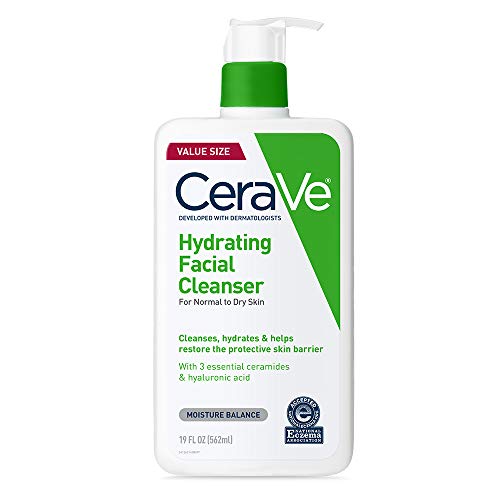
Great for most skin types. Inert and gentle cleanser.

Affordable and effective. Great for inflamed acne.
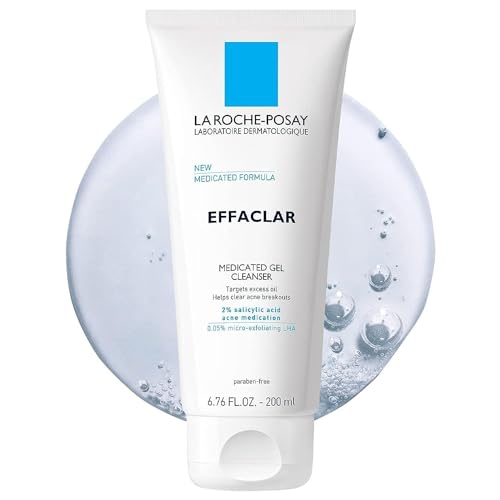
Good for comedonal acne and gentle exfoliation.
Any wash with an active ingredient such as BP or SA should be gently introduced in dry/sensitive skin types, in addition to those who are prone to facial eczema.
Moisturizers
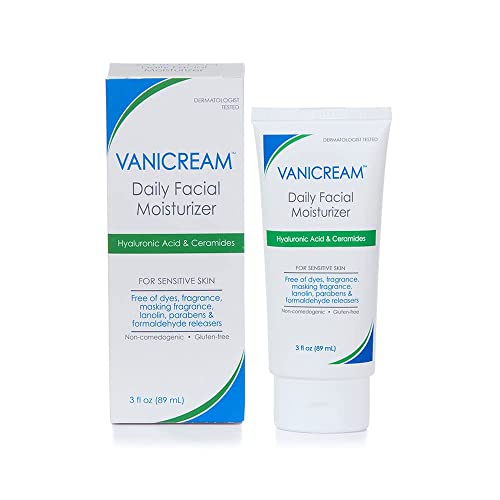
Great moisturizer for those with a baseline dry or sensitive skin.

Excellent product that goes well in those with most skin types.

Great for oily or acne-prone skin. Light lotion with SPF.
Sunscreens

One of the highest-ranked sunscreens we tested. Also mineral-based.

This was one of the most well-liked sunscreens in our blind testing.
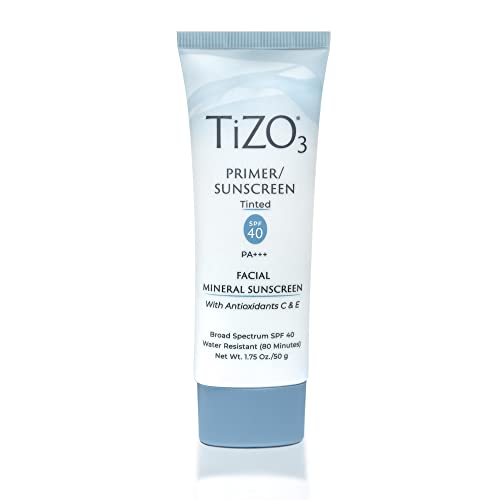
Excellent sunscreen for those with medium to darker skin or those who wear makeup.
Vitamin C Serums
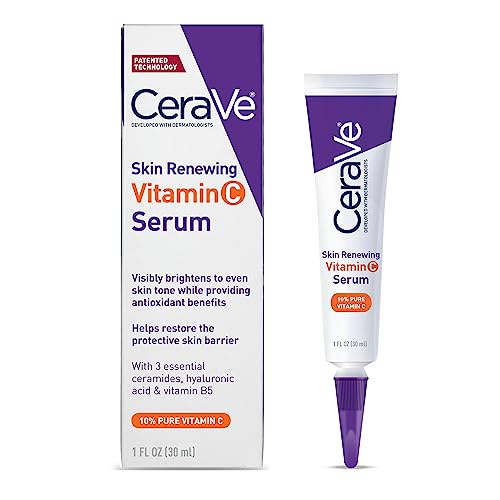
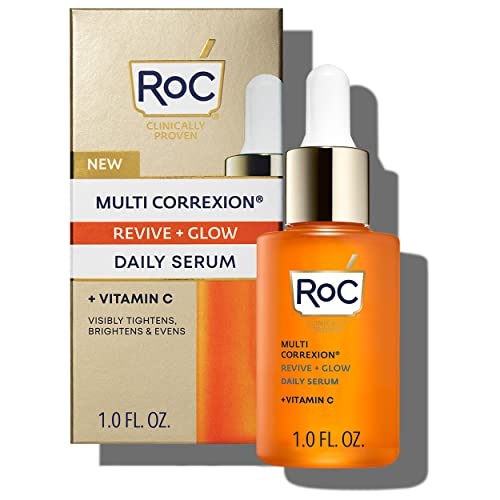

We have also subjected each of these products to blind testing and they also performed extremely well. Serums should be introduced gently in those with sensitive skin types, including those with eczema. Otherwise, a Vitamin C serum can be helpful for discoloration and a glowing appearance.
Night Creams


Each of these retinol products are excellent and we have tested them in various blinded manners. Some of the results are pending release and drafting. These products should be slowly integrated into your routine at a cadence of once weekly increased to nightly in those with sensitive or dry skin. Discontinue if pregnant.

Example of a Simple But Complete Skincare Routine
Here is an example of an effective but straightforward skincare routine that checks all the boxes according to our dermatologists. We have also listed some BDA-approved products which have been well-liked during anonymous blind product testing.
Morning:
Rinse with lukewarm water or gentle cleanser
Apply vitamin C antioxidant serum
Follow with facial moisturizer containing SPF 30+ sunscreen
Evening:
Cleanse with gentle, non-foaming cleanser (or double cleanse if wearing makeup)
Apply prescription retinoid cream like tretinoin 2-3 nights per week
Follow with soothing moisturizer on nights not using retinoid
Finish with eye cream (optional)
This streamlined regimen efficiently addresses cleansing, hydration, sun protection, exfoliation, and anti-aging needs for balanced, youthful skin with only 5-6 core products!
Of course, you’ll want to adjust this routine based on your own skin type and concerns. Next we’ll go over how to customize your skincare routine if you have sensitivities or specific issues like acne, dryness, or aging skin.
How to Modify Your Routine for Dry, Sensitive Skin
If you have very dry or sensitive skin, you'll need to adjust products and techniques to avoid irritation and discomfort:
Opt for extra-gentle lipid-rich cleansers to preserve natural moisture.
Use lukewarm rather than hot water which can worsen dryness. Avoid cleansing tools like brushes or scrubs.
Focus on rich moisturizers with ceramides.
Apply moisturizer to damp skin throughout the day. Humidify indoor air.
Exfoliate no more than 1-2 times per week. Be careful when introducing retinoids, benzoyl peroxide, glycolic/salicylic acid which can irritate the skin.
Always do a patch test before using new products. Stop anything causing redness or discomfort.
Consider “skin cycling” - alternating exfoliating, retinoid, and recovery nights to avoid overdoing actives.
With extra gentleness and nourishing ingredients, even very sensitive or dry skin can thrive with a minimalist routine.
What About an Effective Routine for Acne-Prone or Oily Skin?
To care for acne-prone or oily skin, incorporate products that control oil and bacteria growth while hydrating:
Cleanse twice daily with cleansers containing benzoyl peroxide or salicylic acid to reduce acne bacteria
Use oil-free, non-comedogenic moisturizers that won't congest pores. Or use hydrating serums instead of thick creams.
Apply retinoid creams like differin nightly to increase cell turnover and prevent clogged pores. Work up to daily use slowly.
Spot treat emerging breakouts with acne patches, benzoyl peroxide, or salicylic acid to calm inflammation fast.
Apply mattifying clays, sulfur, or niacinamide to balance excess oil production and shine.
Exfoliate 2-3 times per week with beta hydroxy acid cleansers to keep pores clear.
Shrink enlarged pores long term with professional extractions or laser/microneedling treatments.
With diligent cleansing, oil-control, and acne-fighting ingredients, those with breakout-prone skin can achieve consistently clear skin.
What About a Routine for Combination Skin?
Combination skin can be trickier to balance, but these steps help nourish dry zones while controlling oiliness:
Use a gentle gel or foaming cleanser to remove excess oil without stripping skin.
Apply lighter hydrators like hyaluronic acid serum to dry areas and oil-control products like niacinamide to oily zones.
Use clay masks on oily areas 1-2x per week and hydrating masks on dry zones to balance skin.
Exfoliate with polyhydroxy acids like gluconolactone which are gentler than acids like glycolic.
Use layered hydration for lasting hydration without greasiness.
Consider a retinoid to refine pores and oil production in oily areas while boosting collagen in dry zones.
With strategic product selection and application, combination skin can receive customized care for optimal glow and balance.
-
How should I modify my skincare routine for aging skin?
To minimize signs of aging like wrinkles, dark spots, and loss of elasticity, use:
Cleansers with antioxidants and cell-supporting peptides
Broad spectrum sunscreen daily along with hats and sun protective clothing
Retinoids to increase collagen and smooth fine lines
Vitamin C and antioxidant serums to brighten and defend against free radicals
Moisturizers and masks with replenishing ingredients like hyaluronic acid
Gentle exfoliation weekly and chemical peels to accelerate cell turnover
Skin-plumping treatments like microneedling, laser, ultherapy to tighten and lift
What’s the best way to build an effective but minimalist skincare routine?
Focus on the core steps - cleanser, moisturizer, SPF. Then add in targeted items like serums, masks, exfoliants based on your specific skin goals and concerns. Avoid cluttering your routine with too many non-essential items. Always opt for clinically-proven multi-tasking products like retinoids over trendy but unproven new releases.
How often should I exfoliate for clear, glowing skin?
Most skin types benefit from exfoliating 1-3 times per week. Use gentle leave-on exfoliants like lactic acid or PHAs rather than harsh scrubs. Exfoliate more frequently if you have very oily or thick skin, but limit to once weekly if you have sensitive or dry skin to avoid stripping the skin barrier.
Should I use a toner? Are they necessary?
Toners are optional - they can provide an extra layer of hydration and ingredients like exfoliating acids or antioxidants. But for a basic routine, a good cleanser and moisturizer are enough. Avoid old-school alcohol-based toners which can dry out skin. Newer essence-type toners boost hydration and visibly brighten tone.
What’s the best way to simplify my current routine?
Analyze each product and step – if it’s not serving a clear purpose like cleansing, moisturizing, or treating a specific concern like acne or wrinkles, consider eliminating it. For example, cut out redundant serums, excessive masks, unnecessary eye creams if your facial moisturizer absorbs well around the eyes. Identify multi-taskers that can replace several products like retinoids.
The bottom line is that a minimalist routine with just a few key steps tailored to your skin type and concerns is optimal for most people. With a streamlined regimen focused on cleansing, hydrating, and protecting your skin, you really can achieve healthy, radiant skin for life.
What is a morning routine?
A morning routine refers to a set of activities or tasks performed in the morning, typically to start the day off on the right foot.
How can I take care of my acne-prone skin?
If you have acne-prone skin, it is important to follow a proper skin care routine.
What should be included in a skin care routine?
A basic skin care routine consists of cleansing, toning, moisturizing, and applying sunscreen. Additional steps can be added based on individual needs.
How can I improve my skin health?
To improve skin health, it is important to follow a consistent skin care routine, eat a balanced diet, stay hydrated, and avoid harmful habits such as smoking.
What is the importance of skin texture?
Skin texture refers to the smoothness, softness, and overall appearance of the skin. Having a healthy skin texture can contribute to a youthful and radiant complexion.
What should be included in a nighttime routine?
A nighttime routine typically involves removing makeup, cleansing the skin, applying a moisturizer or serum, and taking any necessary steps to promote relaxation and sleep.
How can I keep my skin hydrated?
To keep your skin hydrated, drink plenty of water, use a moisturizer suitable for your skin type, and avoid excessive heat or cold temperature exposure.
-
We are a group of dermatology residents and attending physicians based in Boston, MA. Our team of Ivy League-trained dermatologists is demystifying the cosmeceutical industry by offering unbiased, scientifically supported reviews of skincare products. We are extremely passionate about skincare and making it accessible to all through education. We value integrity, practicality, and inclusivity. No sponsorships were received for the products prior to testing; we feel strongly about providing un-biased reviews. After blogs are published, following the links in this blog post may result in commission.
Dr. David Li is a recent graduate from the Harvard Combined Dermatology Residency Program. He is now in private practice as a procedural dermatologist in Downtown Boston where he offers skin cancer screenings, skin cancer surgeries, and laser and cosmetic rejuvenation. He has published more than 25 peer-reviewed research articles, is active as an advisor for multiple early-stage companies, and is an angel investor in the healthcare technology space. In his free time, he enjoys running to stay fit, cooking, and playing with his Australian shepherd, Laika.
Dr. Jacqueline Stevens is currently a resident in the Harvard Combined Dermatology Program. She completed her undergraduate studies and MD-PhD at the University of Virginia with a PhD in microbiology, immunology, and infectious disease. Jacqueline has interest in cutaneous oncology, melanoma, and dermatologic surgery. She has published work on the basic science of inflammation at skin barriers, dermatologic diseases, and systems used to classify squamous cell skin cancer. In her free time, she enjoys skiing, hanging with her rescue pup, and the outdoors.
Dr. Nelson Ugwu is a dermatology resident at the Harvard Combined Dermatology Residency Program. His clinical interests include general dermatology, skin of color and skin cancer prevention. Nelson has discovered mutations that cause skin diseases, as well as new treatments for skin conditions. In his free time, Nelson enjoys weightlifting, playing soccer and trying new recipes.
Dr. Arash Mostaghimi is an associate professor of dermatology at Harvard Medical School, the director of the inpatient dermatology consult service, and co-director of the Complex Medical Dermatology Fellowship at Brigham & Women’s Hospital. He is also the principal investigator of the Mostaghimi Lab, where he leads a diverse group of physicians and researchers to study alopecia areata, an autoimmune hair loss condition which afflicts his daughter. In addition to his research, he is an advisor to multiple companies and is an associate editor of JAMA Dermatology.