Best Dandruff Shampoos For Scalp Blinded Tested by Dermatologists



Struggling with persistent flakes, an itchy scalp, or embarrassing white specks on your shoulders? This is an extremely common story we hear from patients. Dandruff affects millions of people, but finding the right treatment can require loads of trial and error. That's why our team of dermatologists decided to perform blind testing of the top anti-dandruff shampoos on the market. Our comprehensive guide cuts through the marketing hype to reveal which products truly deliver results for various scalp conditions, from mild flaking to severe dandruff and seborrheic dermatitis. We aren’t sponsored by any of these companies, to provide the most impartial opinion. As always with our other product reviews, this evidence-based article was curated for a diverse audience, accounting for patients with dry scalp, oily hair, curly hair, or color-treated hair. Below the results section, we will also discuss the root cause of dandruff,. help you gain a deeper understanding of active ingredients like zinc pyrithione and selenium sulfide, and select the best dandruff shampoo for your specific needs.
Our Favorite Shampoos to Treat Dandruff
Best overall for everyday dandruff (and budget pick!)
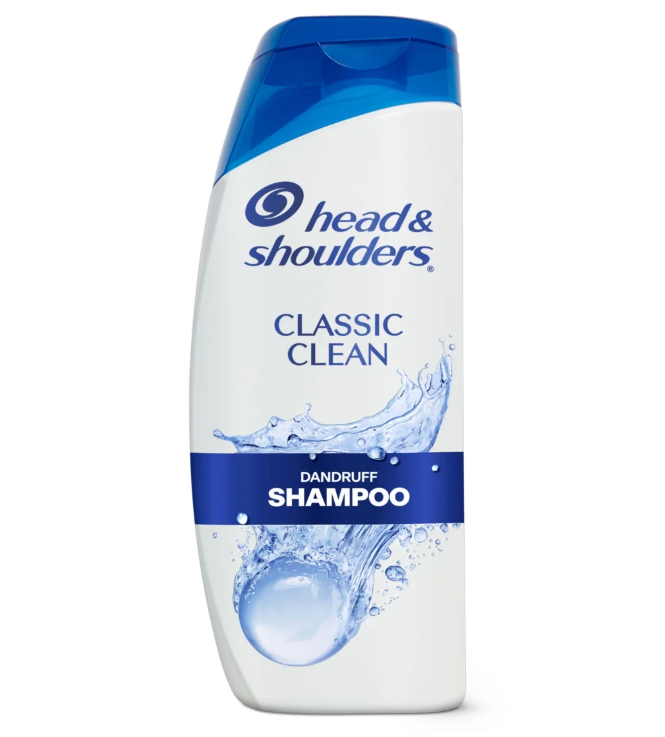
Head & Shoulders Classic Clean Anti-Dandruff Shampoo (1% pyrithione zinc)
Why it’s great: Workhorse, very well-studied pyrithione zinc formula; affordable, accessible, and effective for garden-variety dandruff for most people
Drawbacks: None that we experienced, but may not work as effectively for severe dandruff
Active Ingredient: pyrithione zinc (glossary)
Price per unit: $ 0.48 per fl oz (best for budget)
SkinSafe rating: A (‘A’ = top allergen free, according to skinsafeproducts.com)
Notable quotes from our dermatologist team:
“gets rid of flakes, leaves scalp clean, and doesn’t seem to negatively impact my hair when used daily.”
Best for those with severe dandruff
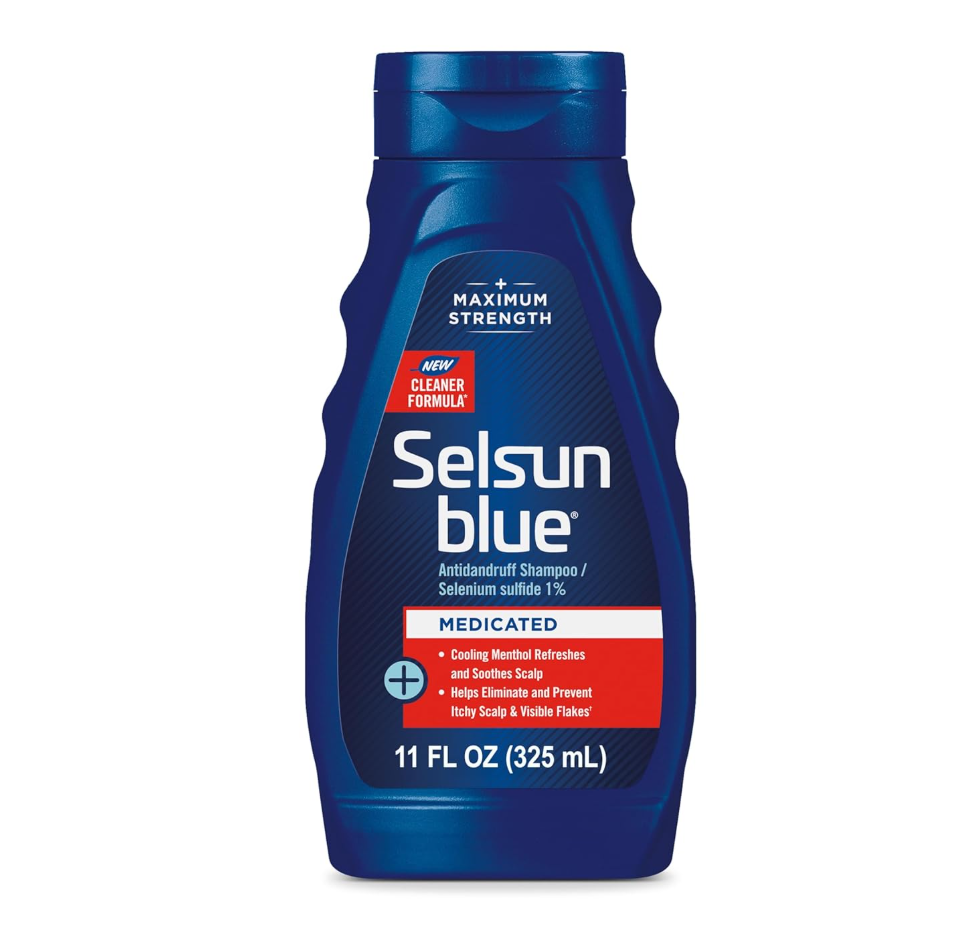
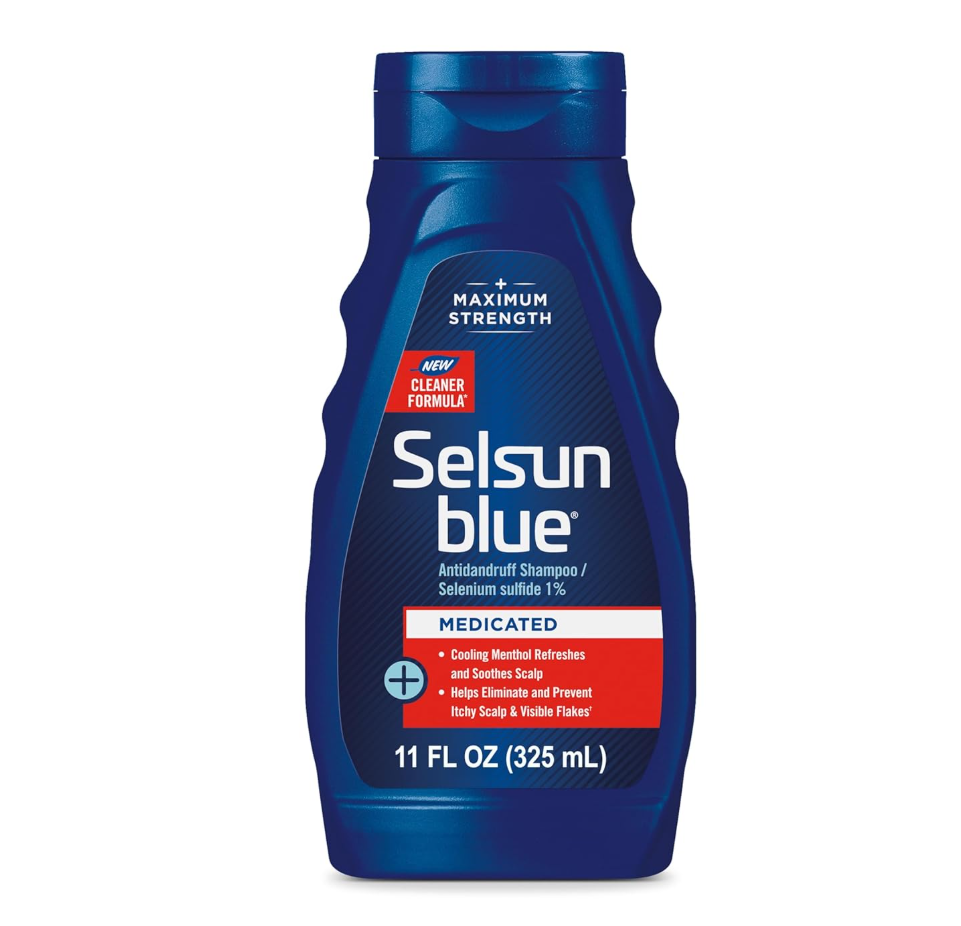
Selsun Blue Antidandruff Shampoo (1% selenium sulfide)
Why it’s great: 1% selenium sulfide is gold standard clinical strength anti-dandruff ingredient at a price that is extremely hard to beat. This is a classic tried and true product
Drawbacks: None that we experienced, but selenium sulfide may not be suitable for color treated hair
Active Ingredient: selenium sulfide (glossary)
Price per unit: $ 0.61 per fl oz
SkinSafe rating: A
Notable quotes from our dermatologist team:
“can be slightly drying but very effective for flaky scalp”
Best for greasy scalp
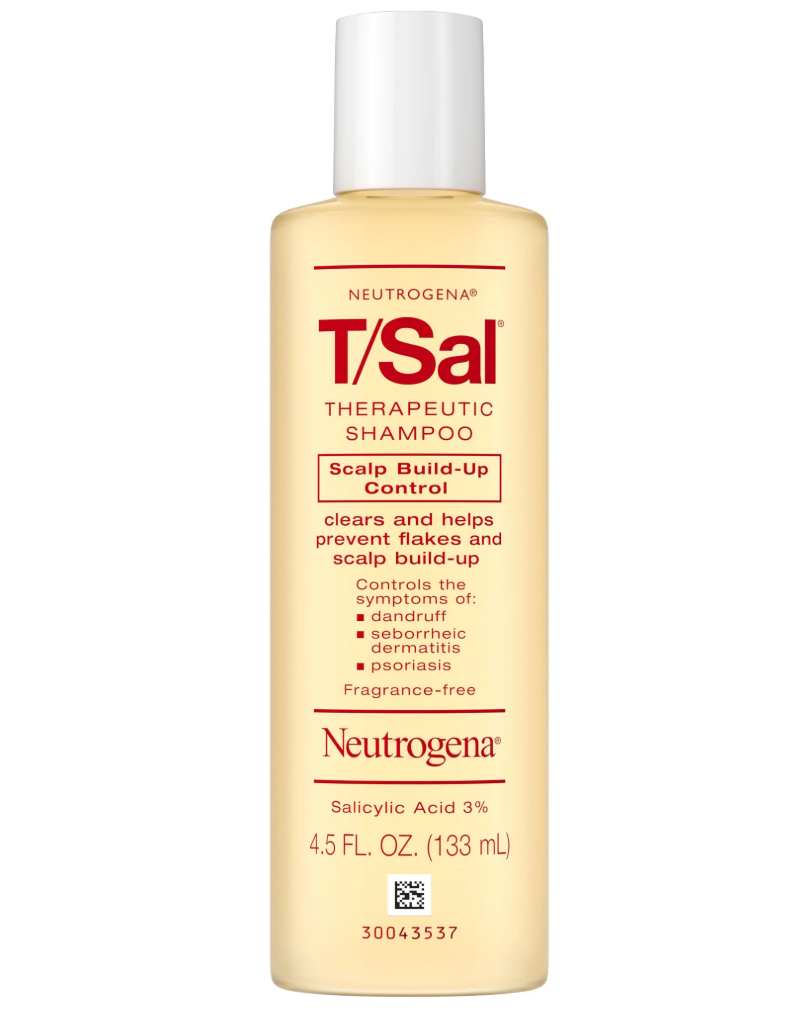
T/Sal Therapeutic Shampoo by Neutrogena (3% salicylic acid)
Why it’s great: Keratolytic ingredient salicylic acid 3% results in a “stripped-clean” feel that people with oily, itchy scalps may prefer
Drawbacks: Leaving on for more than a few minutes may result in excessive dryness
Active Ingredient: salicylic acid (glossary)
Price per unit: $ 1.54 per fl oz (2x average)
SkinSafe rating: A+
Notable quotes from our dermatologist team:
“I think I know which product this is; it definitely helps with flakes”
Best for users with dry or sensitive skin
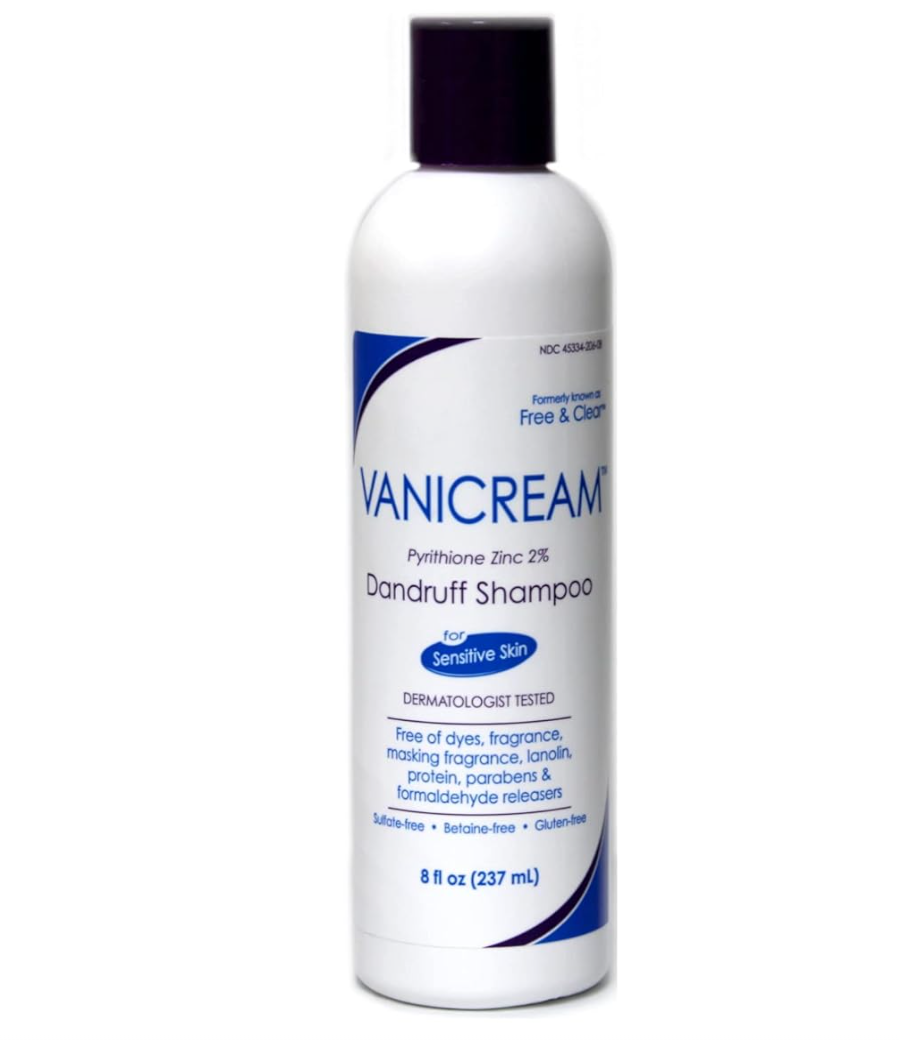
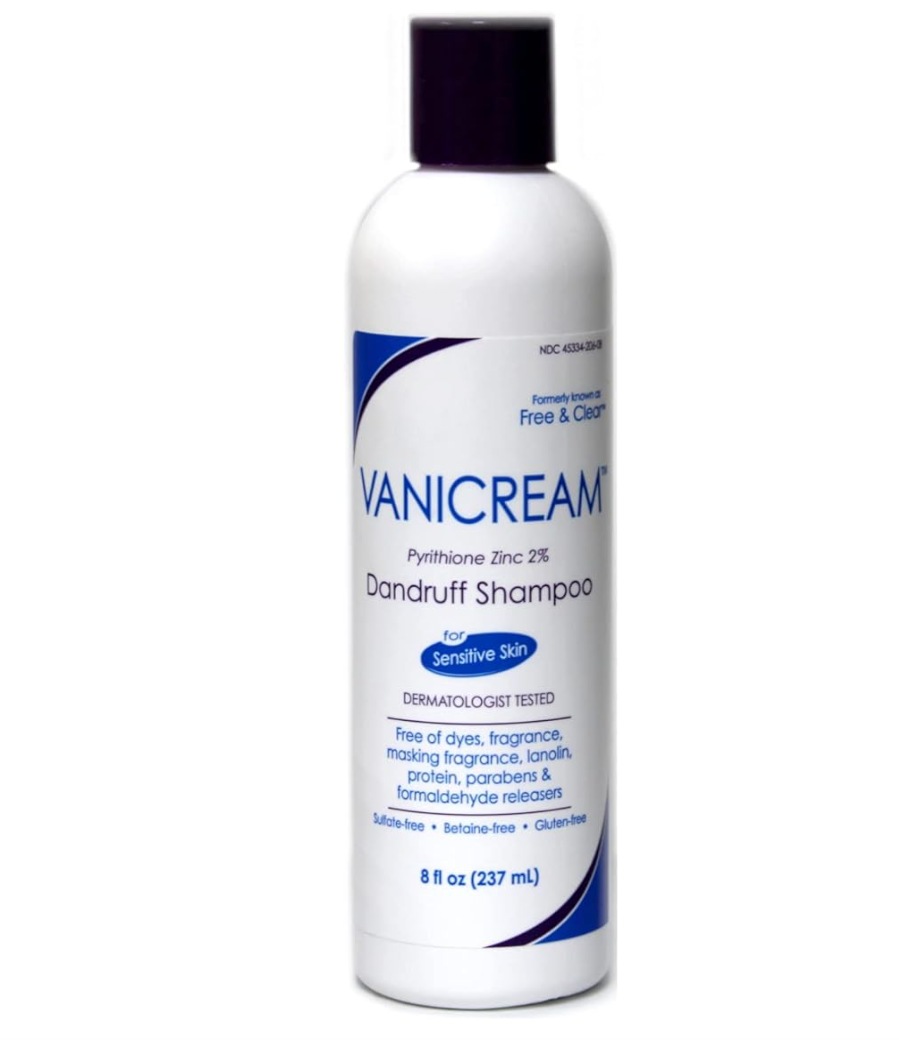
Vanicream Medicated Anti-Dandruff Shampoo (2% pyrithione zinc)
Why it’s great: Probably the gentlest medicated option: higher-strength pyrithione zinc, but in a Vanicream base designed for allergy-prone skin
Drawbacks: Often found out of stock on Amazon
Active Ingredient: pyrithione zinc (glossary)
Price per unit: $ 2.06 per mL (3x more expensive than average)
SkinSafe rating: A+
Notable quotes from our dermatologist team:
“Seems like a very mild product with minimal odor”
Best for users with color treated hair
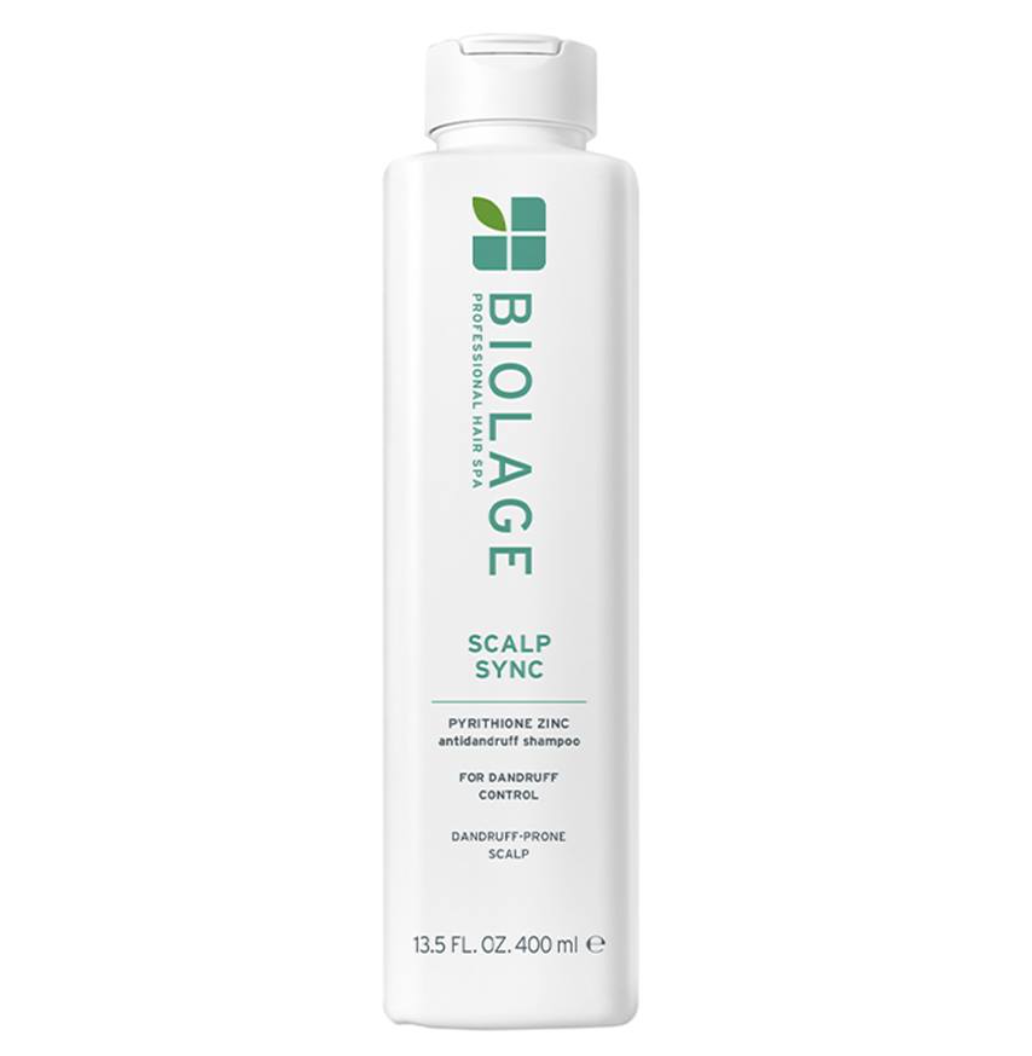
Biolage Scalp Sync Anti-Dandruff Shampoo (microdosed pyrithione zinc)
Why it’s great: Elegant formula marketed as color-safe that pairs zinc pyrithione with a more moisturizing base than the typical drugstore dandruff shampoo
Drawbacks: Contains fragrances and silicones
Active Ingredient: pyrithione zinc (glossary)
Price per unit: $ 1.24 per mL (2x average)
SkinSafe rating: A
Notable quotes from our dermatologist team:
“hair feels soft and manageable instead of stripped”




-
To identify the most effective anti-dandruff shampoos, we conducted a comprehensive, dermatologist-led blind testing protocol that evaluated products based on clinical efficacy, not brand reputation or marketing claims. Our team of Boston-based dermatologists assessed each shampoo's potential to control flakes, reduce itchy scalp symptoms, and address underlying scalp conditions like seborrheic dermatitis.
The testing methodology involved evaluating shampoos across multiple parameters: active ingredient list, effectiveness on different hair types, gentleness for sensitive scalp, potential for long-term scalp health maintenance, and compatibility with various hair care routines. We tested products containing different active ingredients—including zinc pyrithione, selenium sulfide, ketoconazole, and coal tar—to determine which formulations work best for specific dandruff causes and severity levels.
Effectiveness was of course only one component. Tolerability and price point are also important factors that we considered. The results revealed unsurprising winners across categories including best overall anti-dandruff shampoo, best for sensitive scalp, best medicated shampoo for severe dandruff, best for greasy scalp, and best for color treated hair.
Through this rigorous process, we identified not just which shampoos work, but why they work. We hope this will give you the scientific knowledge to make informed decisions about your scalp care. Our findings will help you navigate the crowded anti-dandruff market and select products that address your specific scalp condition, rather than relying on trial and error that wastes both time and money.
-
Product Selection:
We searched the keywords ‘dandruff shampoo’ through a keyword tool and filtered similar and related keywords in decreasing order by the approximate monthly google search volume.
We then excluded search results that contained a brand name.
Next, we selected the top ten remaining keyword phrases and queried each phrase on Amazon.com. We excluded exclusively sponsored products
We then recorded the top ten products listed on Amazon for any keyword or phrase. This process was repeated for each of the ten different keyword phrases, generating a total of 100 products, which we ranked in decreasing order by the number of times each product appeared in the search results.
Finally, we selected only the top 12 most commonly appearing products in this list and purchased them for our experiment.
Product Testing:
Over the course of 12 weeks, subjects shampooed the scalp twice a week with the shampoos which were provided in aliquots in jars labeled only by a number, with its identity not disclosed to the subjects. Three dermatologists performed blind testing for each product. Prior to the study, each product was separated into opaque travel size containers, labeled one through ten (a reference list with the corresponding product names was held by an impartial member who did not undergo product testing), and distributed to the various test subjects.
Special attention was given to the following:
Harshness on scalp / hair
Odor
Burning sensation
Scalp dryness
Oiliness of scalp days after use
At the conclusion of the study, products were also examined in depth for 1) effectiveness based on cumulative reviews which removed duplicate, unverified, and suspicious entries on Amazon; 2) ingredient profile; and 3) safety of use in those with color-treated hair.
-
We are a group of dermatology residents and attending physicians based in Boston, MA. Our team of Harvard-trained dermatologists is demystifying the cosmeceutical industry by offering unbiased, scientifically supported reviews of skincare products. We are extremely passionate about skincare and making it accessible to all through education. We value integrity, practicality, and inclusivity. No sponsorships were received for the products prior to testing; we feel strongly about providing un-biased reviews. After blogs are published, following the links in this blog post may result in commission.
-
Dandruff is a common scalp condition that affects approximately 50% of the adult population at some point in their lives. Despite its prevalence, many people don't understand what actually causes those annoying white flakes that appear on their shoulders and in their hair. Understanding the root cause of dandruff is essential for selecting the right treatment and achieving lasting relief.
The primary culprit behind most dandruff cases is a naturally occurring yeast called malassezia, which lives on everyone's scalp. This yeast feeds on the oils (sebum) produced by hair follicles. In some individuals, the yeast on the scalp grows out of control, leading to increased skin cell turnover. When skin cells on your scalp shed too quickly, they clump together with scalp oils, forming the visible white or yellow flakes we recognize as dandruff. This process also triggers an inflammatory cascade, which creates a positive feedback loop on the scalp surface, resulting in the characteristic itchy scalp sensation that accompanies dandruff.
However, yeast isn't the only cause of dandruff. Several factors can contribute to or worsen dandruff symptoms. Dry scalp, particularly common in cold weather or low-humidity environments, can cause flaking that resembles dandruff but requires different treatment. Seborrheic dermatitis, a more severe inflammatory scalp condition, causes red, greasy patches covered with yellow or white scales. Other contributing factors include oily scalp (which provides more nutrition for Malassezia), infrequent shampooing (leading to buildup on the scalp), certain hair products that cause scalp irritation, stress, hormonal changes, and conditions like scalp psoriasis.
Severe dandruff or conditions like seborrheic dermatitis or scalp psoriasis may require medicated shampoo with stronger active ingredients or even prescription treatments.
-
Many people wonder why their regular shampoo fails to control their dandruff, even when they wash their hair frequently. The answer lies in understanding the fundamental difference between cleansing shampoos and anti-dandruff formulations. Regular shampoo is designed primarily to clean hair and scalp by removing dirt, oil, and styling product buildup. While this cleansing action may temporarily reduce visible flakes, it doesn't address the underlying causes that lead to dandruff.
Standard shampoos lack the active ingredients necessary to combat the overgrowth of Malassezia yeast, reduce inflammation, or regulate the accelerated skin cell turnover that characterizes dandruff. In fact, some regular shampoos can actually worsen dandruff by disrupting the scalp barrier or causing scalp irritation with harsh detergents and fragrances. Additionally, frequent washing with non-medicated products may dry out the scalp - though this varies across individuals, creating a cycle where the scalp overcompensates by producing excess oil, which then feeds the yeast and perpetuates the dandruff problem.
Anti-dandruff shampoos, by contrast, contain specific active ingredients proven to target the root cause of dandruff. These medicated formulations work through various mechanisms:
antifungal agents like ketoconazole and selenium sulfide kill the Malassezia yeast;
zinc pyrithione provides both antifungal and antibacterial benefits while reducing inflammation
coal tar slows skin cell turnover; and salicylic acid helps exfoliate the scalp to remove existing flakes.
However, not all anti-dandruff shampoos are created equal. The concentration of active ingredients, the formulation's pH level, the presence of moisturizing agents to prevent dry scalp, and compatibility with different hair types all affect how well a dandruff shampoo works. This is why dermatologist-tested products that balance efficacy with gentleness are crucial for achieving a healthy scalp without compromising hair health or causing additional scalp issues.
-
When shopping for the best dandruff shampoo, understanding the active ingredients is key to selecting a product that will effectively treat your specific scalp condition. Dermatologists recommend different active ingredients based on the severity of dandruff and individual scalp needs.
Zinc Pyrithione is one of the most commonly used and well-tolerated anti-dandruff ingredients. This antimicrobial and antifungal agent works by controlling the growth of Malassezia yeast while also reducing inflammation and flaking. Zinc pyrithione is gentle enough for regular use and works well for mild to moderate dandruff. It's often the first-line treatment recommended by dermatologists and is found in many over-the-counter dandruff shampoos. The typical concentration ranges from 1-2%, providing effective results without causing excessive dryness or scalp irritation.
Selenium Sulfide is a more potent antifungal ingredient that slows the turnover rate of skin cells on your scalp and reduces the Malassezia population. Selenium sulfide anti-dandruff shampoo is particularly effective for treating seborrheic dermatitis and severe dandruff. However, it can be drying and may discolor color-treated hair or leave residue on lighter hair colors, so it requires careful use. Most formulations contain 1% selenium sulfide for over-the-counter products, though prescription versions may contain higher concentrations.
Ketoconazole is a powerful prescription-strength antifungal (also available in lower concentrations over-the-counter) that directly targets the yeast responsible for dandruff and seborrheic dermatitis. Ketoconazole shampoo is often considered the gold standard for treating moderate to severe cases. Studies show it's highly effective at reducing flakes and controlling scalp inflammation. It's also been studied for potential benefits in addressing hair loss related to scalp inflammation.
Salicylic Acid works differently from antifungal ingredients—it acts as a keratolytic agent that helps exfoliate the scalp, breaking down and removing the flaky buildup. While effective at clearing existing flakes, salicylic acid doesn't address the underlying cause of dandruff. It's often combined with other active ingredients for comprehensive treatment and can be drying, so it's best used alongside a moisturizing conditioner to prevent dry scalp.
Coal Tar is one of the oldest dandruff treatments and works by slowing skin cell growth and reducing inflammation. It's particularly effective for scalp psoriasis and severe seborrheic dermatitis. However, coal tar has a strong odor, can stain light-colored hair, and makes the scalp more sensitive to sunlight, so it's typically reserved for stubborn cases that don't respond to other treatments.
-
Anti-dandruff shampoo isn't just for people with visible flakes—various scalp conditions and symptoms indicate that you could benefit from incorporating a medicated shampoo into your hair care routine.
If you experience persistent itchy scalp, even without visible flakes, this could be an early sign of dandruff or seborrheic dermatitis. The itching is caused by inflammation triggered by yeast overgrowth, and using an anti-dandruff shampoo can prevent the condition from progressing to more severe flaking. Similarly, if you notice small white flakes on your shoulders, clothing, or in your hair, especially after wearing dark colors, you're experiencing classic dandruff symptoms that require treatment beyond regular shampoo.
People with oily scalp or oily hair are particularly prone to dandruff because the excess sebum provides an ideal environment for Malassezia yeast to thrive. Even if you don't currently have flakes, using an anti-dandruff shampoo preventatively can help maintain scalp health and prevent future outbreaks. Conversely, those with dry scalp may also benefit from gentle anti-dandruff formulations, though they should look for hydrating versions that won't dry out the scalp.
Board-certified dermatologists often prescribe stronger formulations for patients who do not respond to over-the-counter options. Additionally, patients with scalp psoriasis may benefit from prescriptions that address the rapid skin cell turnover characteristic of this condition.
Those with curly hair, color-treated hair, or sensitive scalp may worry that anti-dandruff shampoos will damage their hair or cause irritation. However, most modern formulations are safe for color-treated hair and gentle enough for regular use on all hair types. The key is selecting a product appropriate for your specific needs—dermatologist-tested options ensure both efficacy and safety across different hair textures and scalp sensitivities.
-
Selecting the best shampoo for dandruff requires considering your specific scalp condition, hair type, and the severity of your symptoms. Not all anti-dandruff formulations work equally well for everyone, so understanding your unique needs is crucial.
For mild to moderate dandruff with occasional flaking and minor itching, start with a zinc pyrithione-based shampoo. These formulations are gentle enough for regular use, work well across all hair types, and effectively control the yeast that causes dandruff without over-drying the scalp. If you have curly hair or color-treated hair, look specifically for products labeled as safe for your hair type to avoid damage or color fading.
If you're dealing with moderate to severe dandruff characterized by large, persistent flakes, intense itchy scalp, and possibly red or inflamed patches, you'll need a stronger medicated shampoo. Ketoconazole shampoo or selenium sulfide formulations provide more aggressive treatment for stubborn cases. However, these may not need to be used daily—typically 2-3 times per week is often sufficient, alternating with a gentler shampoo.
Those with dry scalp need to be particularly careful, as many anti-dandruff shampoos can further dry out the scalp, worsening the problem. Look for hydrating formulations that combine anti-dandruff actives with moisturizing ingredients, such as ceramides and hyaluronic acid alongside pyrithione zinc to treat dandruff while maintaining scalp barrier function. Avoid shampoos containing coal tar or high concentrations of salicylic acid if you have dry scalp, as these can be particularly drying.
For sensitive scalp, choose fragrance-free, hypoallergenic anti-dandruff shampoos with gentle active ingredients. Zinc pyrithione is typically the best-tolerated option. Start by using the anti-dandruff shampoo once or twice weekly, alternating with a gentle regular shampoo, then gradually increase frequency as your scalp adjusts. If you experience burning, increased redness, or worsening scalp irritation, discontinue use and consult a dermatologist.
Oily scalp and oily hair sufferers often respond well to clarifying shampoo formulations that include anti-dandruff actives. These products help remove buildup on the scalp while controlling the yeast that thrives in oily environments. Selenium sulfide can be particularly effective for oily scalp types, though it may require less frequent use than zinc-based formulations.
-
One of the most common concerns people have about using anti-dandruff shampoo is whether it will damage their color-treated hair or alter their curly hair texture. The good news is that many modern dandruff treatments are specifically formulated to be safe for various hair types, though some active ingredients require more caution than others.
For color-treated hair, the primary concern is whether the anti-dandruff active ingredients or the shampoo's cleansing agents will strip hair color or cause fading. Zinc pyrithione-based shampoos are generally safe for color-treated hair and won't significantly accelerate color loss compared to regular shampoo. Many brands now offer formulations explicitly labeled as safe for color-treated hair. However, selenium sulfide can potentially cause discoloration, particularly on lighter or bleached hair, and may leave a yellowish tint. If you have color-treated hair and need a stronger treatment than zinc pyrithione, ketoconazole shampoo is a better choice than selenium sulfide, as it's less likely to affect hair color.
Curly hair presents unique challenges because it tends to be drier and more prone to damage from harsh cleansing agents. Many people with curly hair worry that medicated shampoo will strip natural oils, leading to frizz and loss of curl definition. The key is choosing sulfate-free or low-sulfate anti-dandruff formulations that clean without over-stripping. Additionally, those with curly hair should follow their dandruff shampoo with a moisturizing conditioner to restore hydration and maintain their curl pattern. Some dermatologists recommend applying the anti-dandruff shampoo primarily to the scalp rather than the hair lengths, allowing it to treat the scalp without unnecessarily exposing the more fragile hair shaft to medicated ingredients.
The frequency of use also matters for protecting your hair texture and color. Rather than using anti-dandruff shampoo for every wash, many dermatologists recommend using it 2-3 times per week and alternating with a gentle, moisturizing regular shampoo.
-
Many people don't realize that the way you use anti-dandruff shampoo is just as important as which product you choose. Proper application technique can significantly improve results and help you achieve a healthy scalp faster.
First, wet your hair and scalp thoroughly with warm water. Apply a generous amount of anti-dandruff shampoo directly to your scalp—not just your hair. The active ingredients need to make contact with the scalp where the dandruff originates. Using your fingertips (not nails), gently massage the shampoo into your scalp using circular motions. This massage helps the medicated shampoo penetrate and also promotes circulation, which supports scalp health.
Here's the crucial step many people skip: let the shampoo sit on your scalp for 5-10 minutes. This contact time allows the active ingredients—whether zinc pyrithione, selenium sulfide, or ketoconazole—to effectively work against the yeast and inflammation causing your dandruff. Simply washing and immediately rinsing doesn't give the medication enough time to be effective. You can use this waiting period to cleanse your body or perform other shower tasks.
After the recommended contact time, rinse thoroughly with lukewarm water. Make sure to remove all product residue, as buildup on the scalp can actually worsen dandruff. Follow with a moisturizing conditioner, applying it primarily to the hair lengths rather than the scalp to avoid weighing down hair or interfering with the anti-dandruff treatment.
For frequency, most dermatologists recommend starting with 2-3 times per week for 2-4 weeks, then adjusting based on results. If your dandruff improves significantly, you may be able to reduce to once weekly for maintenance. However, if symptoms persist after 4-6 weeks of consistent use, consult a dermatologist—you may need a stronger medicated shampoo or prescription treatment.
-
While over-the-counter anti-dandruff shampoos effectively treat many cases, certain symptoms indicate you should consult a board-certified dermatologist for professional evaluation and treatment.
If you've been consistently using an anti-dandruff shampoo for 4-6 weeks without seeing improvement in flakes or itchy scalp symptoms, it's time to see a dermatologist. Persistent dandruff despite proper treatment may indicate a more serious scalp condition like seborrheic dermatitis, scalp psoriasis, or even fungal infections that require prescription-strength medication. A dermatologist can accurately diagnose your scalp condition and prescribe stronger treatments such as high-concentration ketoconazole shampoo, topical corticosteroids, or oral antifungal medications if necessary.
Severe symptoms warrant immediate dermatological consultation. These include: intense redness and inflammation across large areas of the scalp, thick, crusty patches that don't respond to medicated shampoo, bleeding or oozing from the scalp, severe itching that interferes with sleep or daily activities, or hair loss associated with scalp issues. These symptoms could indicate conditions like seborrheic dermatitis, scalp psoriasis, atopic dermatitis, or even bacterial infections that require professional medical treatment beyond what over-the-counter products can provide.
If you notice your scalp issues spreading beyond your hairline—affecting your eyebrows, beard area, or other parts of your face—this can suggest another condition requiring comprehensive treatment. Similarly, if you experience worsening dandruff symptoms despite treatment, or if the anti-dandruff shampoo causes severe scalp irritation, burning, or allergic reactions, discontinue use and consult a dermatologist.
People with compromised immune systems, chronic inflammatory conditions, or those taking certain medications should always work with a dermatologist when addressing scalp issues, as these factors can complicate both diagnosis and treatment. Additionally, if you're experiencing hair loss alongside dandruff, professional evaluation is crucial to determine whether the hair loss is related to scalp inflammation or represents a separate condition requiring different intervention.
-
While using the best dandruff shampoo is essential, incorporating complementary scalp care practices can significantly enhance your results and promote maintaining a healthy scalp long-term.
Scalp exfoliation is controversial because you worry about scalp scrubs that can over-exfoliate which can disrupt the scalp barrier and cause irritation. Once weekly is typically sufficient for most people. Look for gentle exfoliating products specifically designed for scalp use.
Diet and lifestyle factors also influence scalp health. Malassezia yeast feeds on oils, so maintaining a balanced diet that doesn't promote excessive oil production can help. Some studies suggest that diets high in healthy fats (omega-3s) and B vitamins, including zinc, may support scalp health from within. Staying hydrated helps maintain proper skin cell function throughout your body, including your scalp. Additionally, managing stress is important since stress can trigger or worsen dandruff and conditions like seborrheic dermatitis.
Avoid practices that worsen dandruff: Infrequent hair washing allows oil and dead skin cells to accumulate, creating an ideal environment for yeast overgrowth. While you don't need to wash your hair daily (which can dry out the scalp), going too long between washes can lead to dandruff. Find a washing frequency that keeps your scalp clean without over-drying—typically 2-4 times per week for most people. Similarly, using too many hair products can cause buildup that triggers or worsens flaking.
Finally, protect your scalp from environmental factors that can worsen dandruff. Cold, dry weather can dry out the scalp, while excessive heat styling can cause scalp irritation. Wear a hat in extreme weather, use heat protectants, and consider using a humidifier indoors during dry months to maintain optimal scalp conditions for healing.
-
Dandruff is caused primarily by yeast overgrowth and an ensuing immune reaction.
Our dermatologist-tested blind experiment identified the most effective anti-dandruff shampoos across different categories, eliminating guesswork from your product selection.
Active ingredients are key: Zinc pyrithione for mild-moderate cases, selenium sulfide for oily scalp, ketoconazole for severe dandruff and seborrheic dermatitis, and salicylic acid to remove flakiness.
Regular shampoo cannot treat dandruff if beyond a very mild case; you need medicated shampoo with proven active ingredients to address the underlying causes of flakes and itchy scalp.
Proper application technique is crucial: Massage anti-dandruff shampoo into your scalp and let it sit for 5-10 minutes before rinsing for maximum effectiveness.
Frequency: Start with 2-3 times weekly, adjust based on results, and alternate with gentle shampoo to protect hair health.
Distinguish between dry scalp and dandruff—they require different treatments, and using the wrong approach can worsen your condition.
See a dermatologist if symptoms persist after 4-6 weeks of consistent treatment, or if you experience severe symptoms like intense inflammation, bleeding, or hair loss.
Complement your anti-dandruff shampoo with healthy scalp care practices: regular but not excessive washing, gentle scalp exfoliation, stress management, and avoiding product buildup.
Maintaining a healthy scalp requires ongoing care—even after symptoms improve, continue maintenance treatments to prevent recurrence.
-
What is the best shampoo and conditioner for dandruff and itchy scalp? Based on our testing, the overall best shampoo for everyday use for most cases of mild dandruff is the Head & Shoulders Classic Clean with 1% zinc pyrithione. Conditioners may vary and were not tested in this series.
How can I effectively get rid of dandruff and maintain a healthy scalp and hair? Regular use of a medicated shampoo combined with a good conditioner can help manage dandruff while promoting healthy hair.
What should I look for in a scalp treatment for flaky scalp? Choose treatments that contain active ingredients like ketoconazole or zinc pyrithione to address flaky scalp issues.
Can dry shampoo help with dandruff and itchy scalp? While dry shampoo can absorb excess oil, it is not a treatment for dandruff. Regular use of anti-dandruff shampoo is recommended for effective results.
What are some effective treatments for dandruff and dry scalp? Look for shampoos that specifically target dry scalp and dandruff, as well as moisturizing conditioners to keep your scalp hydrated.
-
Tucker D, Masood S. Seborrheic Dermatitis. [Updated 2024 Mar 1]. In: StatPearls [Internet]. Treasure Island (FL): StatPearls Publishing; 2025 Jan-. Available from: https://www.ncbi.nlm.nih.gov/books/NBK551707/
Seborrheic dermatitis: Overview. (n.d.). Retrieved October 25, 2025, from https://www.aad.org/public/diseases/a-z/seborrheic-dermatitis-overview
-
Nizoral 1% Dandruff Shampoo with 1% Ketoconazole
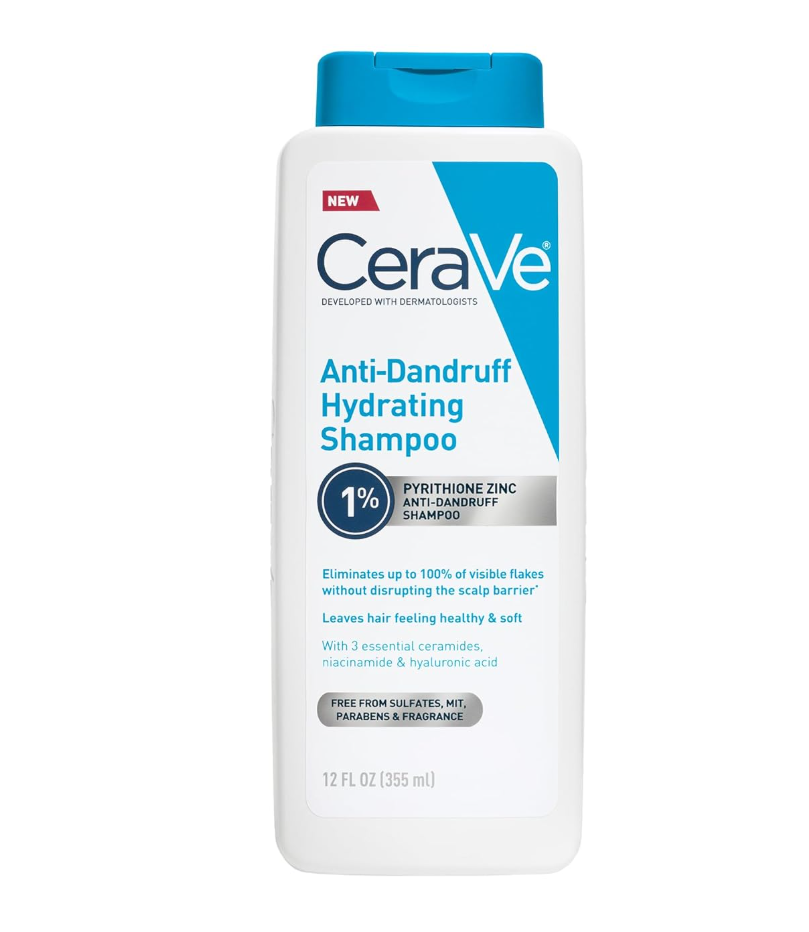
CeraVe Hydrating Anti Dandruff Shampoo 1% Pyrithione Zinc
Selsun Blue Medicated Dandruff Shampoo
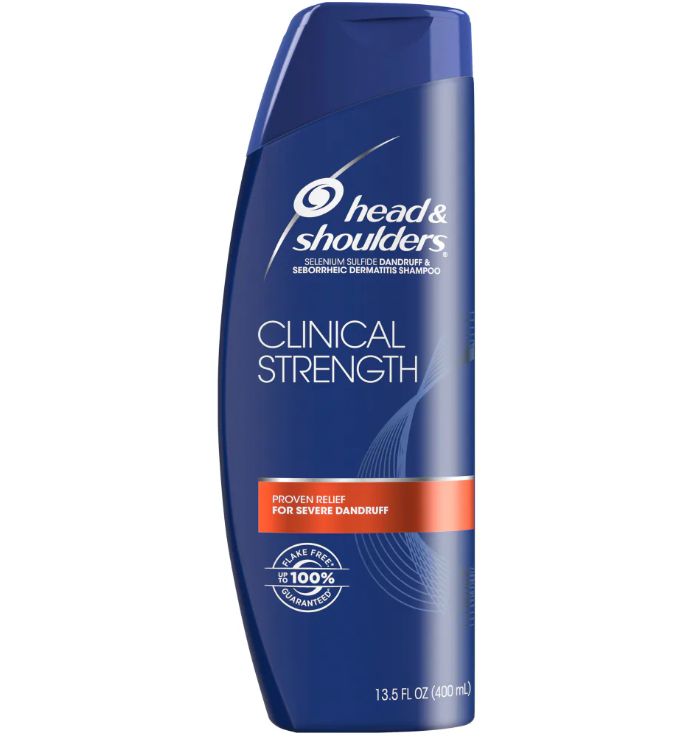
Head and Shoulders Clinical Strength Dandruff Shampoo with 1% Selenium Sulfide
T/Sal Therapeutic Dandruff Shampoo
Dercos Selenium Sulfide Dandruff Shampoo
Dove Damage Therapy Derma Shampoo
Head and Shoulders Classic
Biolage Scalp Sync Anti-Dandruff Shampoo
Vanicream Medicated Anti-Dandruff Shampoo
Botanic Hearth Tea Tree Shampoo
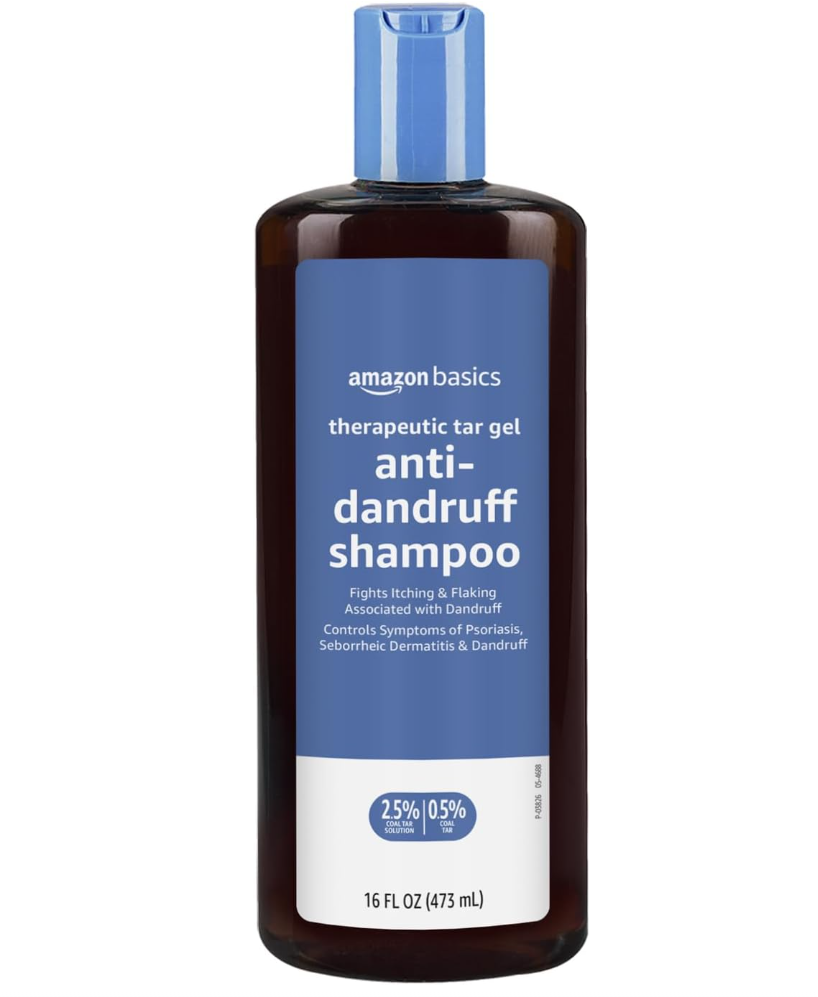
Amazon Basics Therapeutic Plus Coal Tar Anti-Dandruff Shampoo 0.5% Coal Tar