The Best Moisturizers for Dry Skin: Dermatologists Anonymously Test 12 Hydrating Products

Our favorite moisturizers
Best overall by the metrics

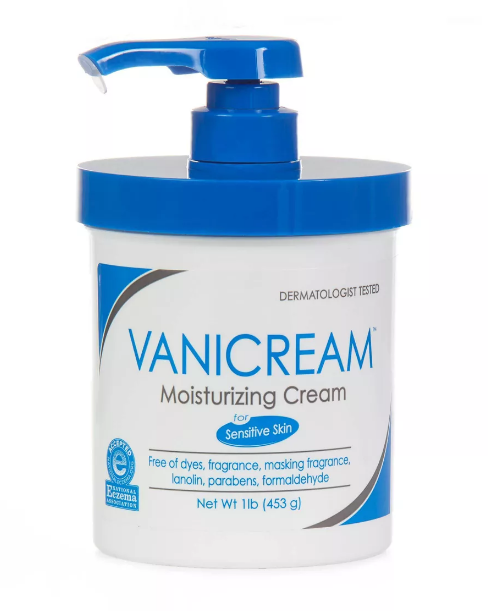
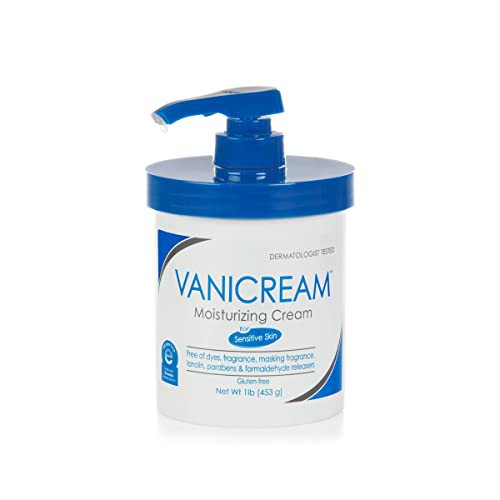
Vanicream Moisturizing Cream
Why it’s great: Extremely hydrating while retaining a degree of ‘lightness’, largely inert and hypoallergenic, and great for dry cracked skin
Drawbacks: May be too heavy for using on the face but great for other body parts
Price per unit: ($0.84 / Ounce)
SkinSafe rating: A+ (highest degree of hypoallergenicity)
Notable quotes from our dermatologists:
"Applies very gently over the skin"
"This is a great product"
"It does not feel overly occlusive”
Best runner-up pick

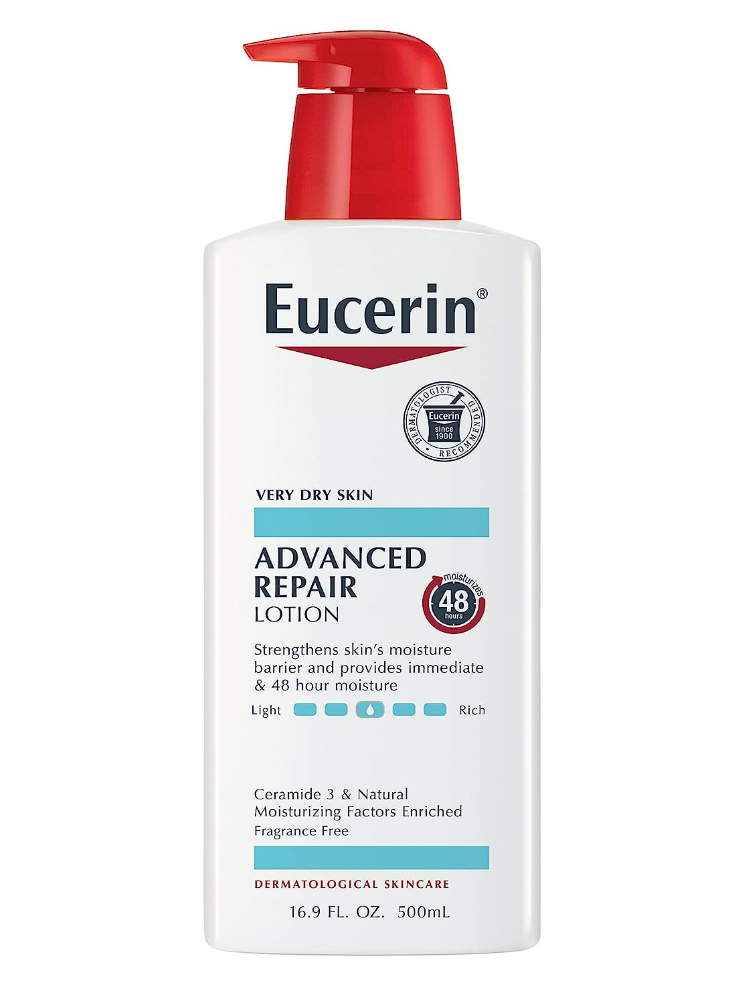
Eucerin Advanced Repair Lotion
Why it’s great: One of the most hydrating lotions we tested and meets hypoallergenic criteria
Drawbacks: Seems slightly thicker than what many may perceive for a regular lotion. It’s more in between the consistency of a lotion and a cream.
Price per unit: ($0.86 / Fl Oz)
SkinSafe rating: A+ (highest degree of hypoallergenicity)
Notable quotes from our dermatologists:
"Very soothing and moisturizing"
“This feels like a lighter lotion”
“One of my favorite products for sure”
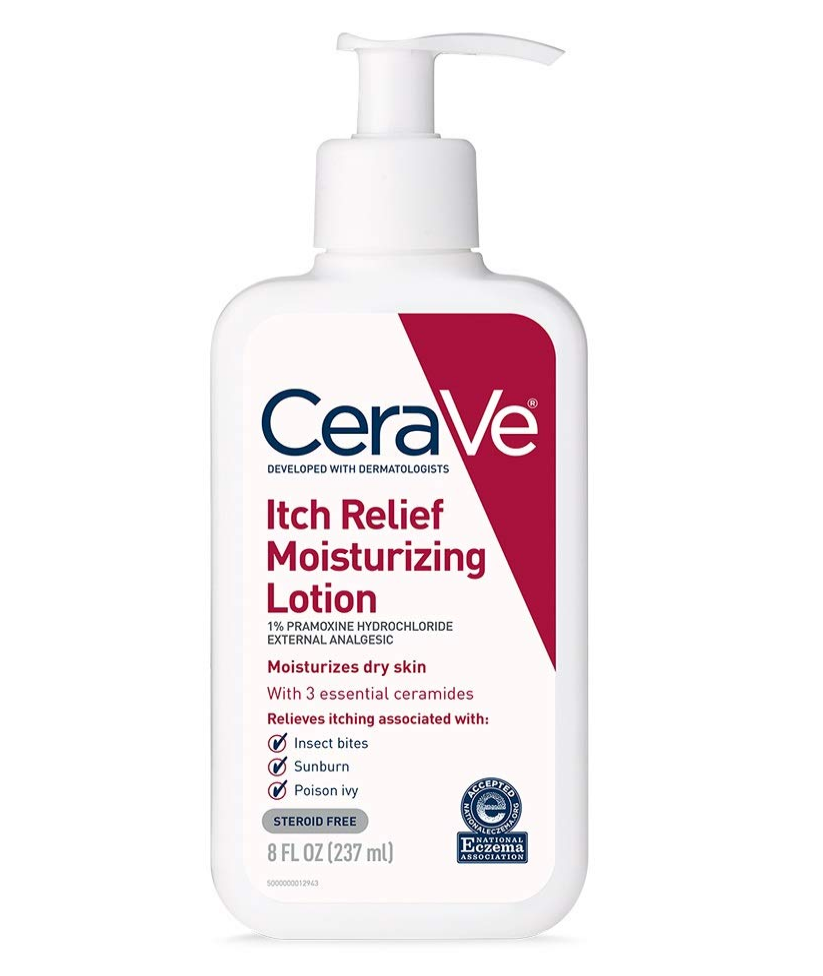
Best moisturizer for the colder weather or itch

CeraVe Itch Relief Moisturizing Lotion
Why it’s great: This product is both hydrating and excellent for itch as it contains 1% pramoxine hydrochloride
Drawbacks: Seems to have a layering effect when you first apply the product, but this may not be a negative trait when using it in colder climates
Price per unit: ($1.62 / Ounce)
SkinSafe rating: A (top allergen free)
Notable quotes from our dermatologists:
“Has a thick and creamy texture”
“Very easy to apply, I like this”
“Seems to have a tendency to layer”
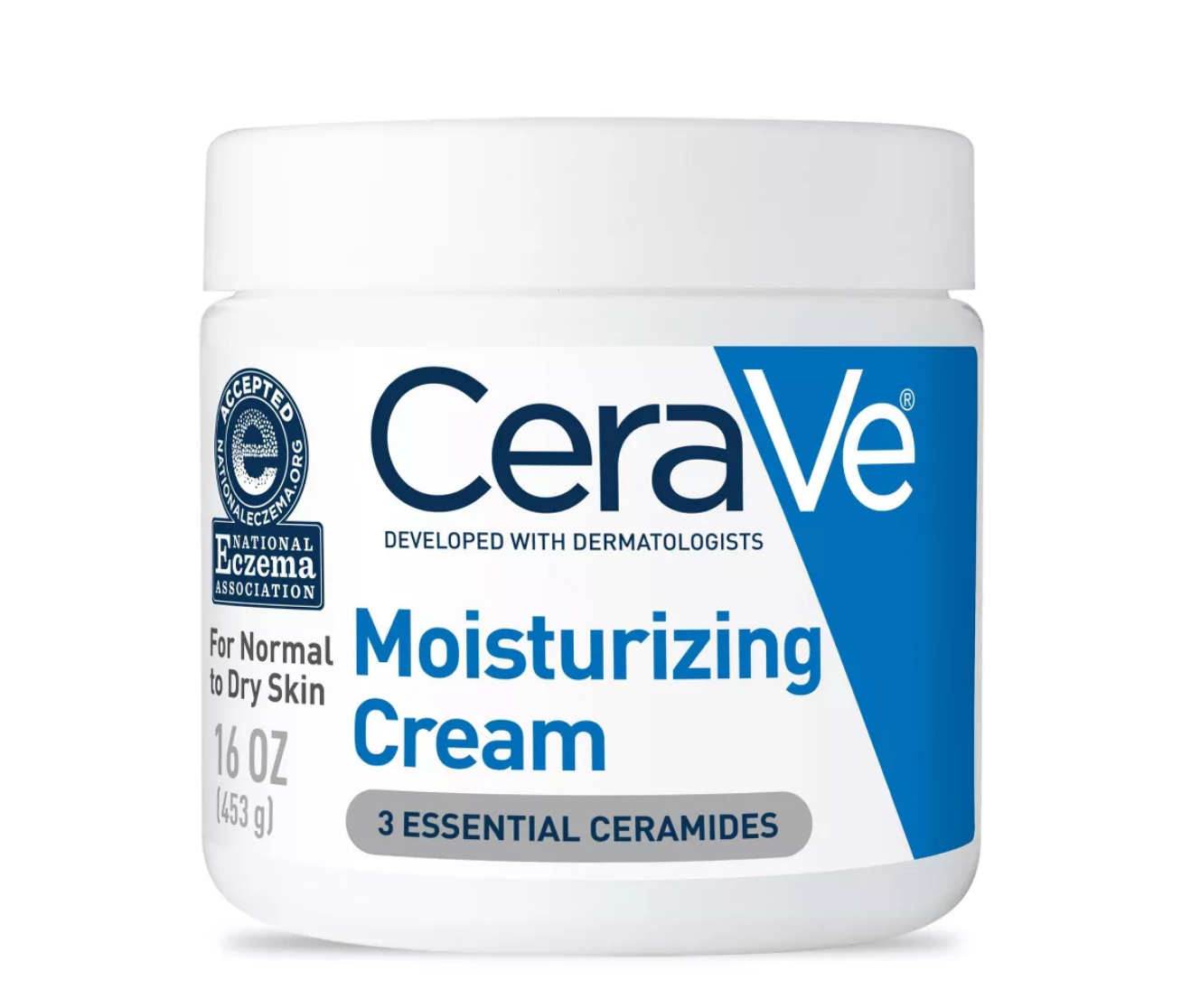
Best moisturizer for sensitive skin and eczema
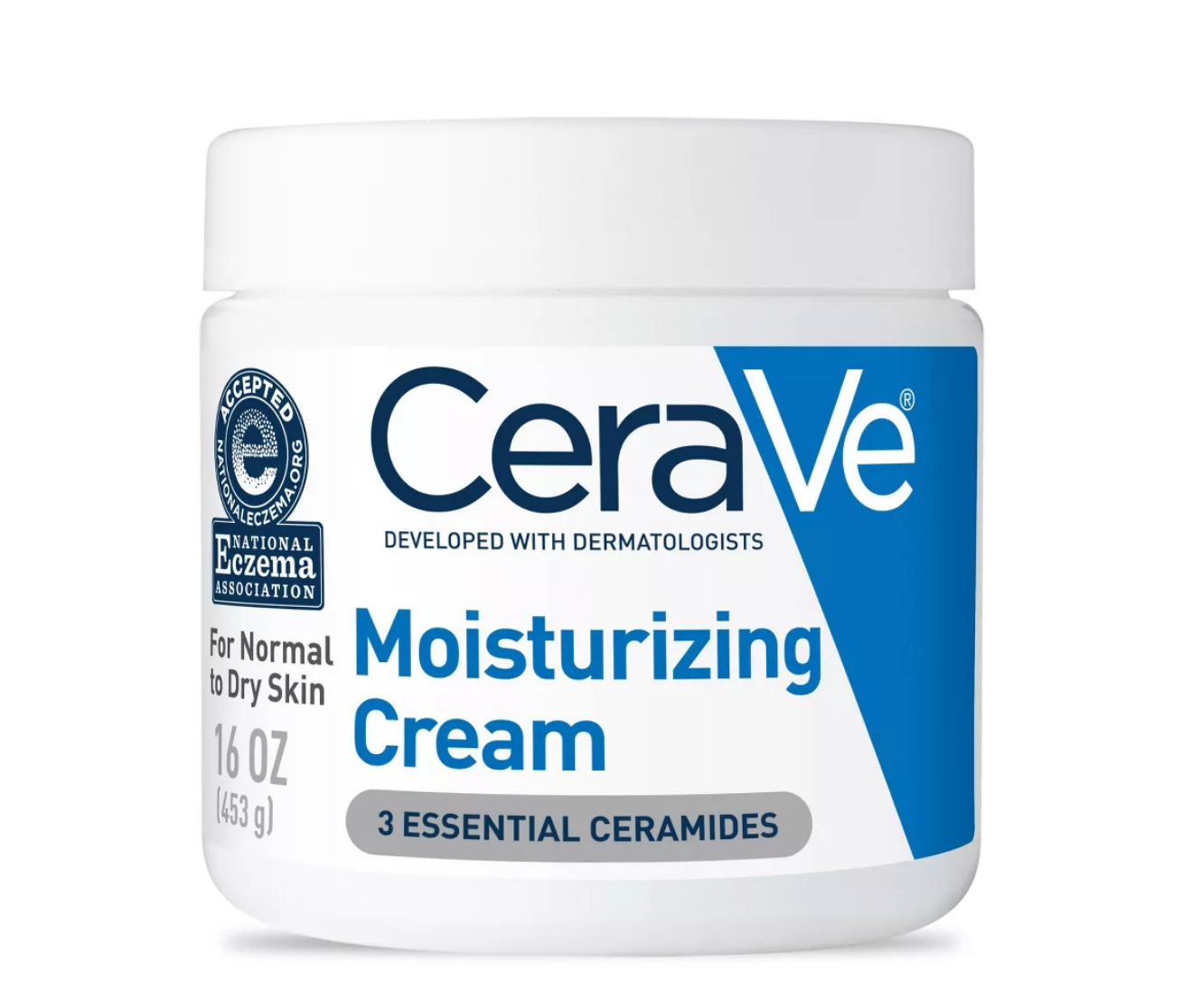
CeraVe Moisturizing Cream
Why it’s great: Applies easily across various skin types, non-greasy, extremely moisturizing, largely inert
Drawbacks: None
Price per unit: ($0.89 / Ounce)
SkinSafe rating: A+ (highest tier of allergen free rating)
Notable quotes from our dermatologists:
"Product has a somewhat creamy feel to it”
“There is no smell at all, but feels high-quality”
“It rubs into the skin extremely well”
Best moisturizer for greasy and oily skin types

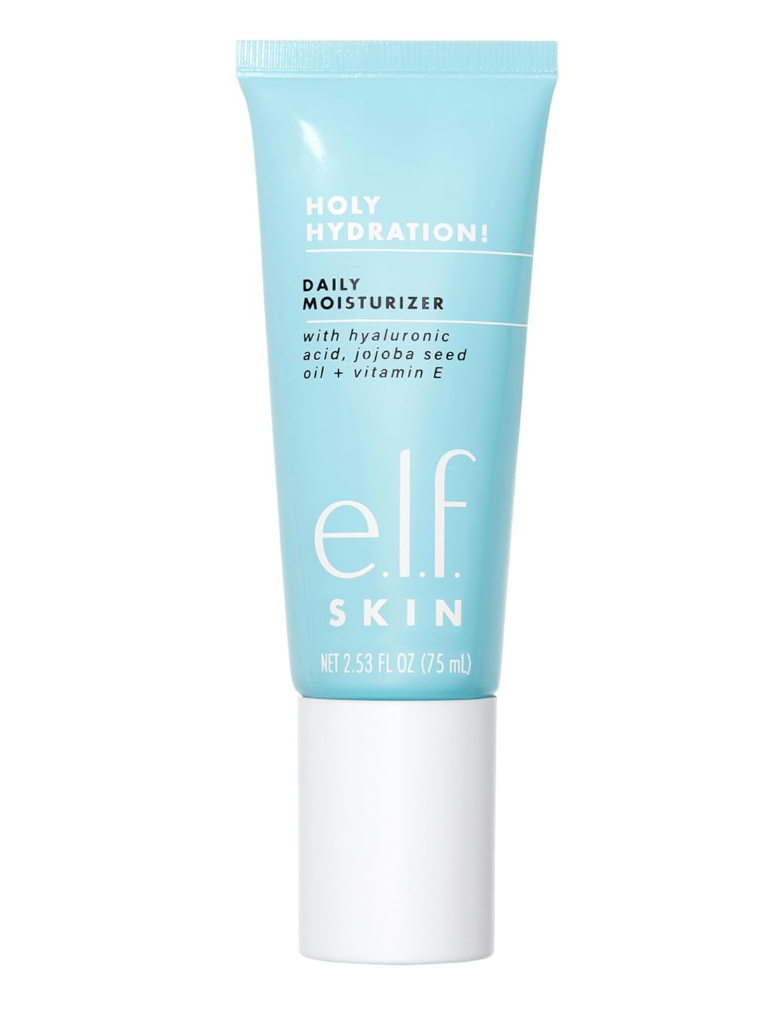
e.l.f. Skin Daily Moisturizer
Why it’s great: One of the least greasy moisturizers that we tested; it’s versatile and can be used easily on the face or the hands
Drawbacks: Less hydrating than other moisturizing creams
Price per mL: ($3.00 / Fl Oz)
SkinSafe rating: A (top allergen free)
Notable quotes from our dermatologists:
“Seems to have cooling after effect”
"Feels lighter than a cream”
“Has a nice peachy-like smell”
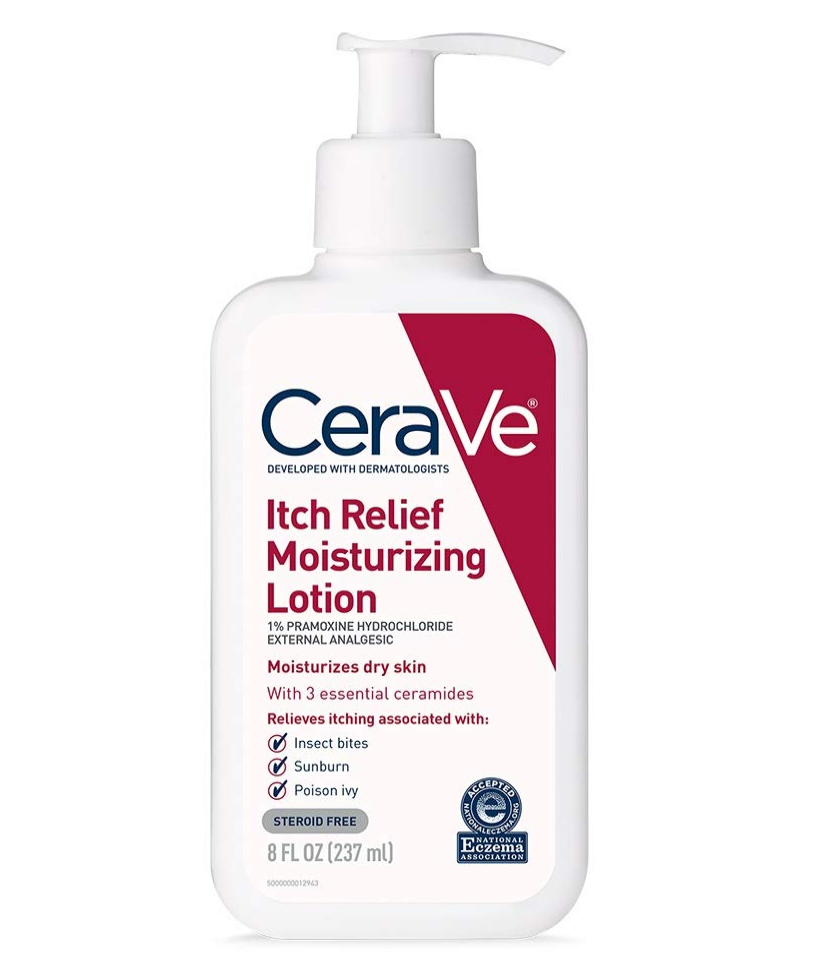
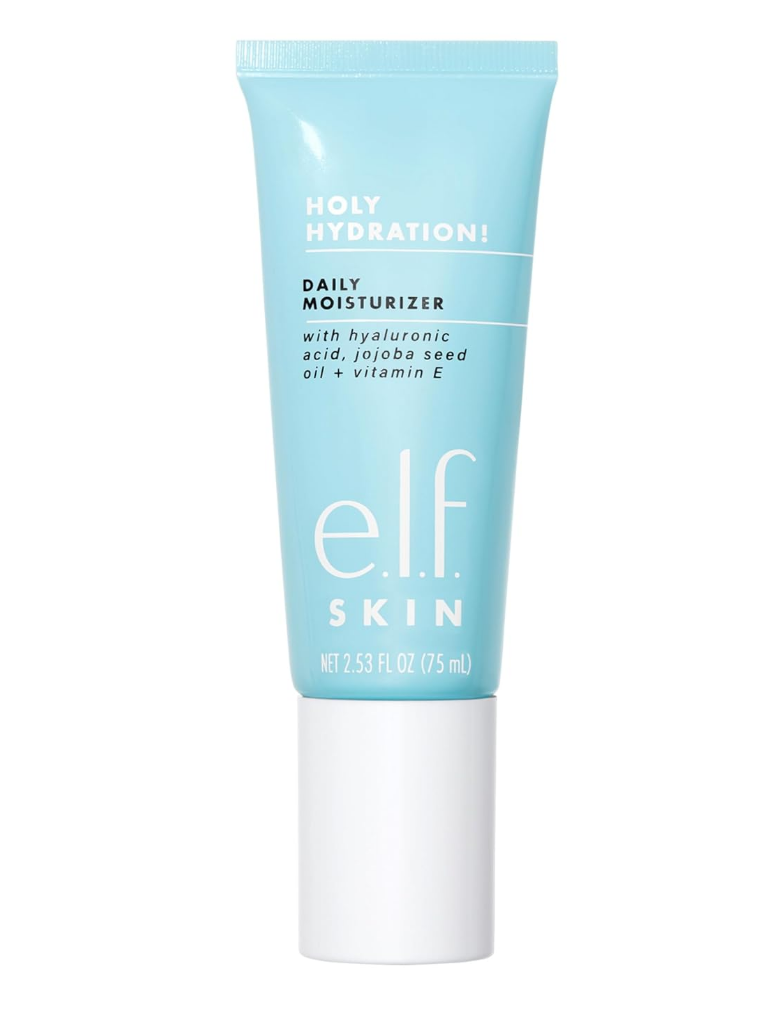
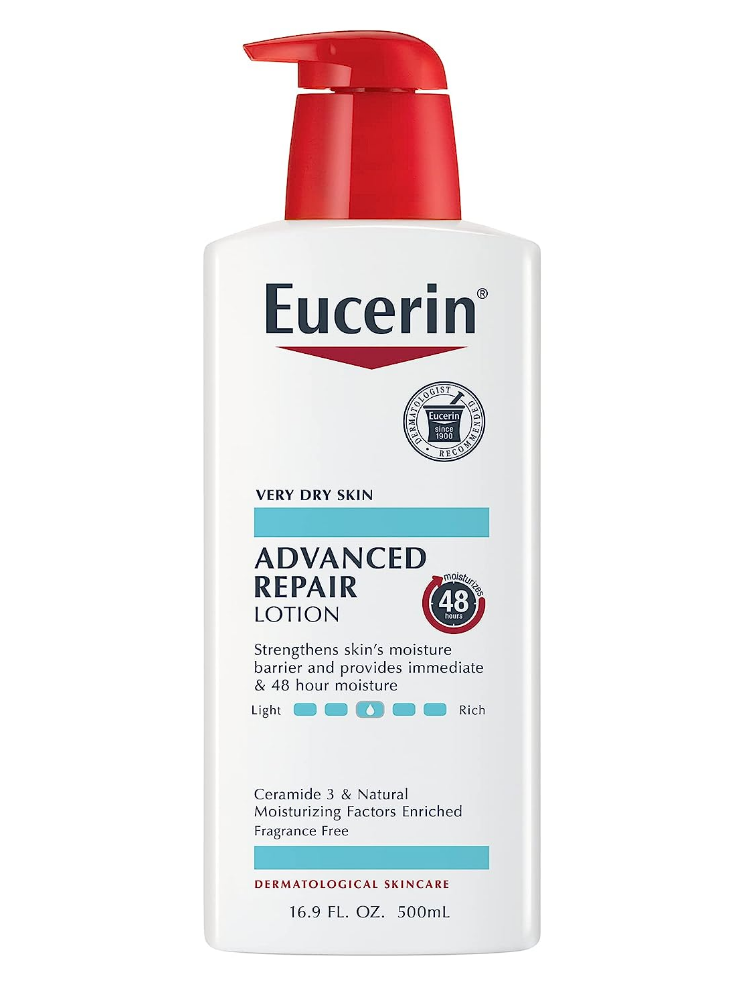
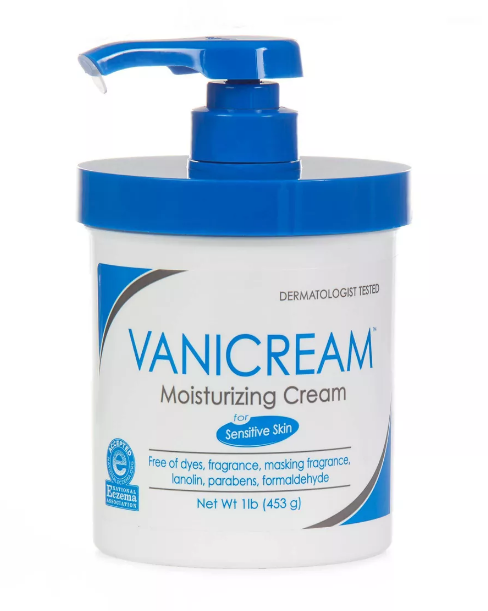
Table of Contents
What you can learn from our study
Our experimental method for testing dry skin care products
Products we tested in this study
Why you should use a moisturizer
What types of moisturizing products are available and how do they work?
What should you look for in an ideal moisturizer?
How do you know if you should switch moisturizers?
Frequently Asked Questions (FAQs)
What you can learn from our study
With so many brands and ads on the marketing for dry skin care, we sought to rigorously and anonymous test the 12 most popular dry skin care products on the market to determine the best moisturizers on the market that will be friendly for a variety of different skin types and skin tones. Our testing team, consisting of dermatology attendings and residents with diverse skin types, tones, and ethnicities, rigorously examined each product's performance.
With so many products on the markets at varying price points, we wanted to test these products blindly in an unbiased manner to give you the answers you have been waiting for.
By considering factors such as severity of dryness, skin type, skin tone, and cost, we aimed to provide a consensus recommendation based on our findings. However, it's important to note that skincare product testing is an imperfect science, and individual preferences and responses can vary. Therefore, while our experiment offers valuable insights, we always encourage individuals to consider their unique needs and consult a dermatologist.
Our experimental method for testing moisturizers
During the evaluation process, a diverse panel of 4 testers (Boston-based dermatology residents) with varying skin tones (medium x 1, dark brown x 1, and fair x 2) participated in product testing. This method ensured that we captured feedback pertinent to a broad spectrum of skin types and tones. Through this meticulous testing approach and by including a wide array of participants, our goal was to offer an unbiased assessment of each moisturizer's efficacy.
To ensure unbiased results, aliquots of each product were separated into identical and numbered jars. The testers were instructed to apply the different moisturizers over sections of their inner arms and to assess pre-defined qualities of each sunscreen.
The testers focused closely on various factors:
Texture and feel
Appearance
Degree of hydration
Difficulty of application
Greasiness
Odor and allergenicity
Any skin related symptoms (e.g. burning or redness)
Overall user experience
We rated each product on a scale of 1 through 5 and listed subjective comments which were reviewed for open table discussion at the end of testing prior to unveiling the identities of the various products.
Products we tested in this study
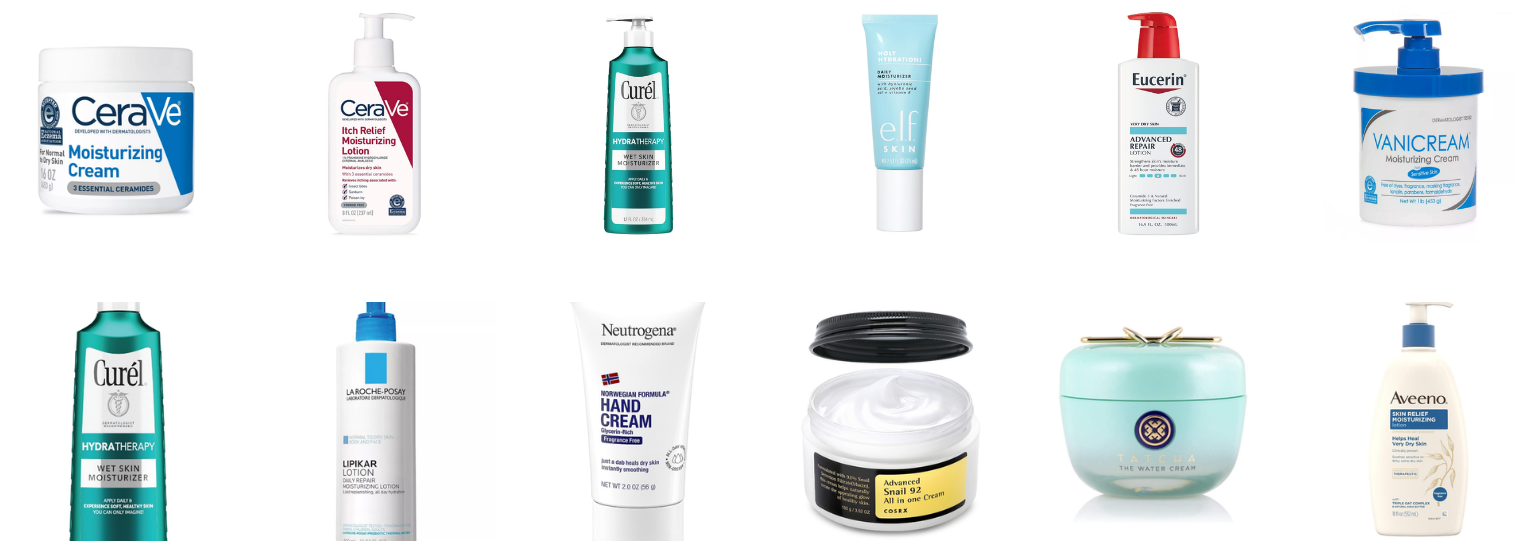
We selected the moisturizers and dry skin care products based on recommendations and availability among our testing staff, in addition to common and popular brands available on Amazon and convenience stores. We also included a few products which were trending on social media. We were not sponsored by any of these companies. These 12 products were included for testing:
Eucerin Advanced Repair Lotion
CeraVe Itch Relief Moisturizing Lotion
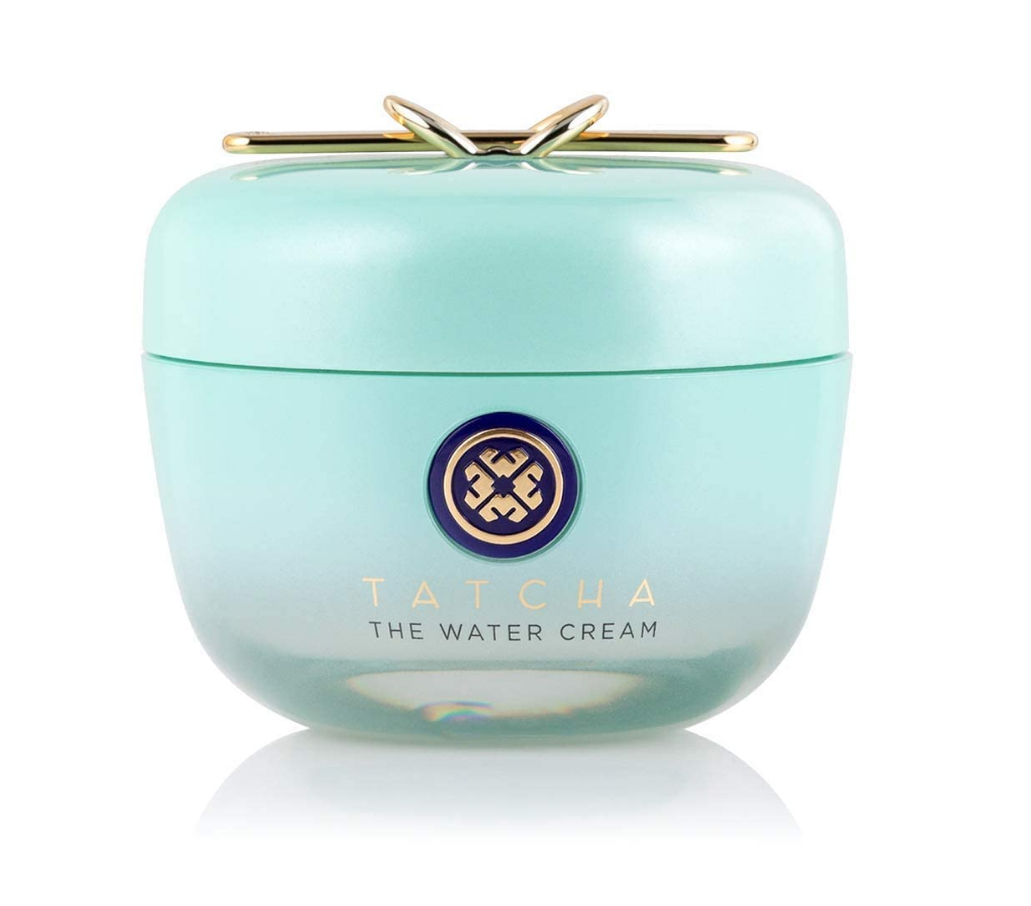
Tatcha The Water Cream
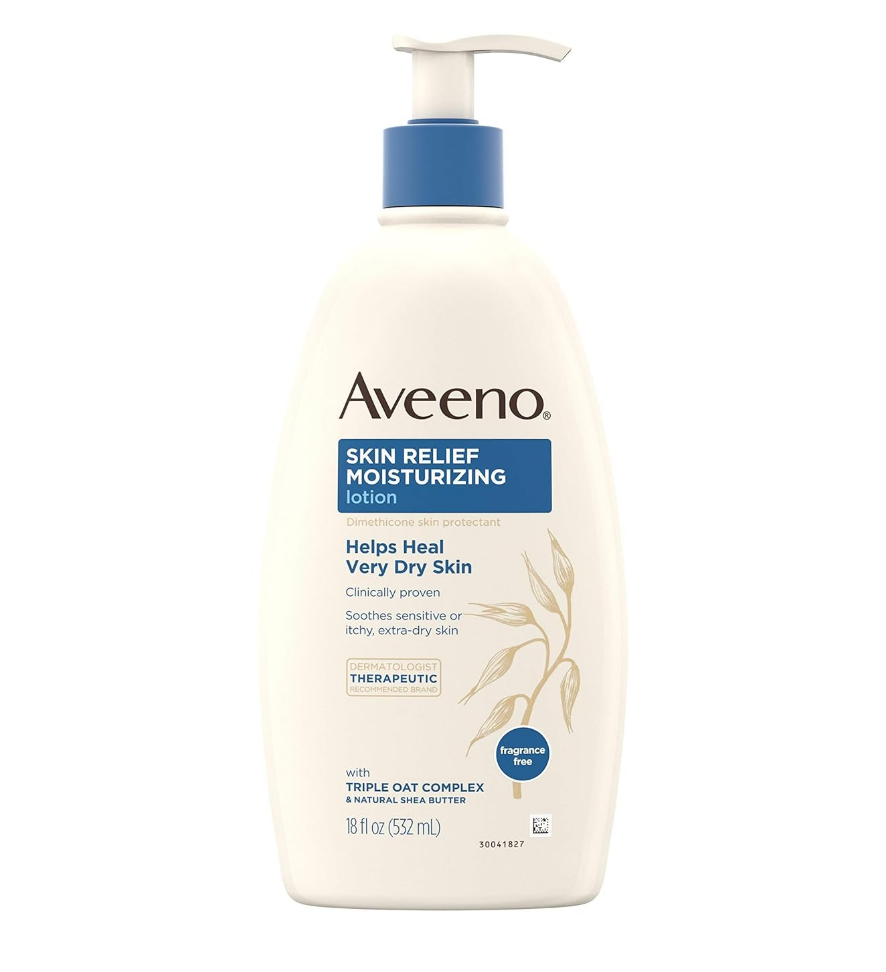
Aveeno Skin Relief Moisturizer
elf Skin Daily Moisturizer
Vanicream Moisturizing Cream
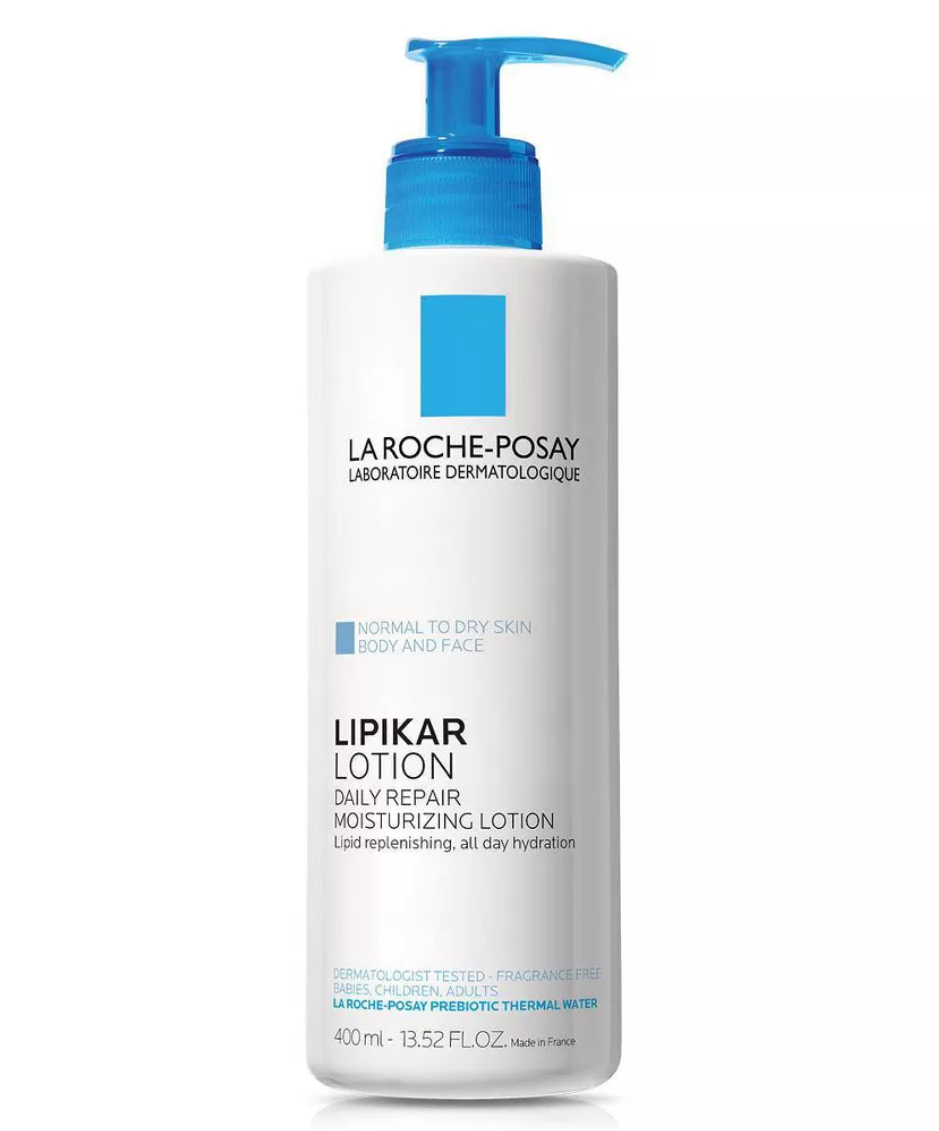
Laroche Posay Lipikar
CeraVe Moisturizing Cream
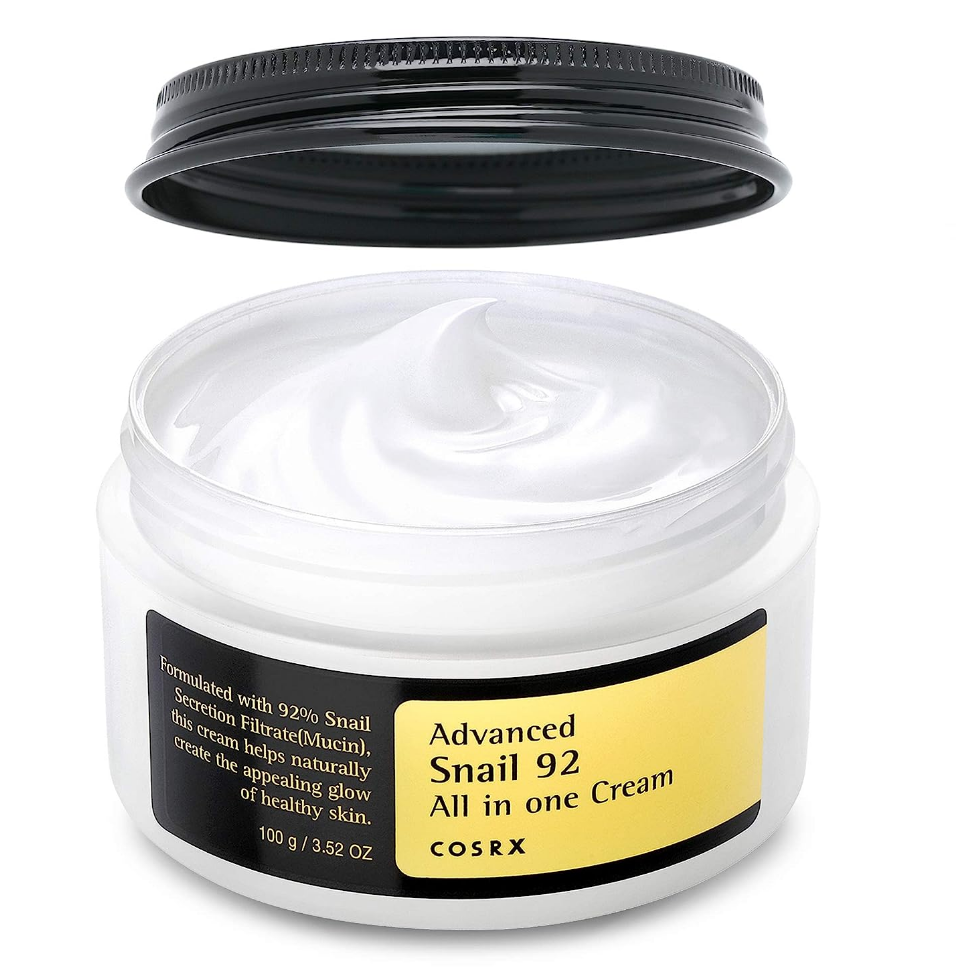
CosRx Advanced Snail 92 All in One Cream
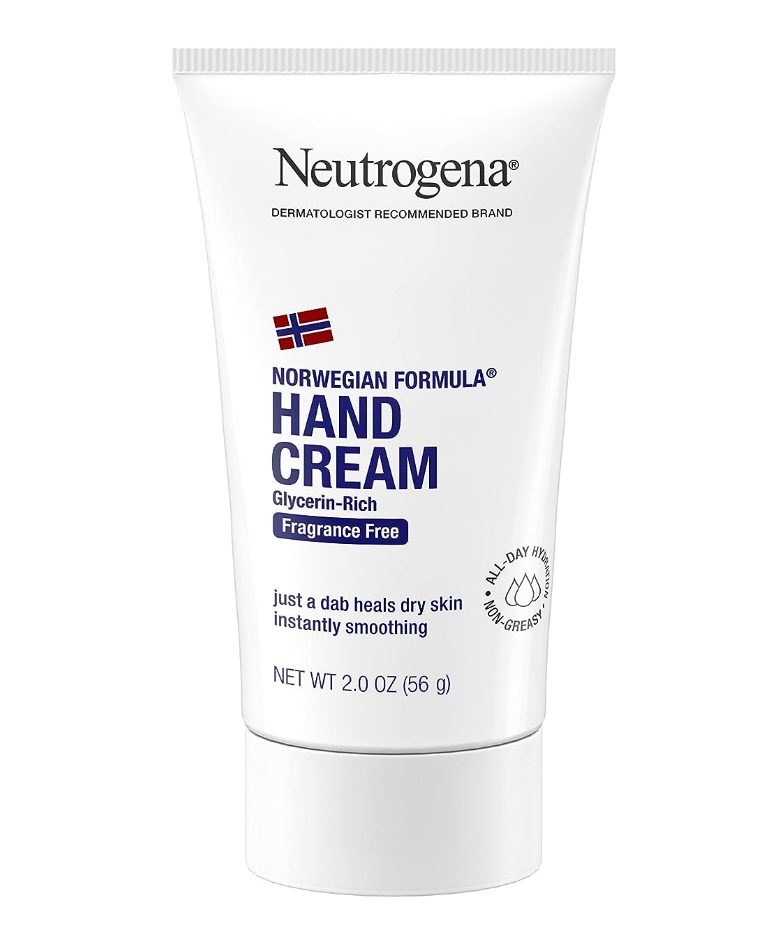
Neutrogena Norwegian Formula Hand Cream
Aquaphor Healing Ointment
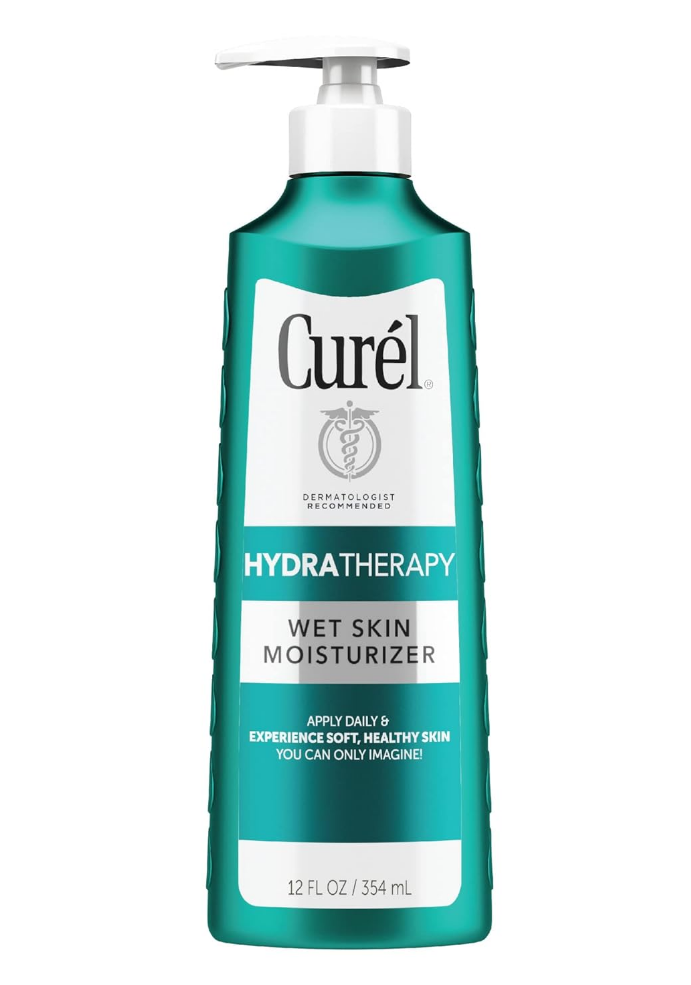
Curel Hydratherapy Wet Skin Moisturizer
Why you should use a moisturizer
Moisturizers play a vital role in maintaining healthy skin, regardless of your skin type or specific concerns. Even if you don't have dry skin, using a moisturizer is essential for keeping your skin hydrated, nourished, and protected from environmental factors. Moisturizers help to replenish the skin's moisture barrier, preventing water loss and maintaining optimal hydration levels. They also enhance the skin's natural functions, promote a smoother complexion, and provide a protective layer against external irritants.
Using a moisturizer is not only beneficial for maintaining the overall health of the skin but is also crucial in managing and preventing various dermatologic conditions.
Atopic Dermatitis: Commonly referred to as eczema, atopic dermatitis is a chronic condition that causes itchy and inflamed skin. Regular moisturizing is a cornerstone in the management of atopic dermatitis. It helps in reducing the frequency and severity of flare-ups, keeping the skin hydrated, and decreasing the need for topical steroids.
Irritant Dermatitis: This condition arises when the skin comes in contact with harmful substances, leading to redness, itching, and inflammation. Regular use of moisturizers can act as a protective barrier, preventing these irritants from penetrating the skin. Moreover, they can soothe the skin, reducing the severity of the symptoms.
Asteototic Dermatitis: Also known as "eczema craquelé," this condition is characterized by dry, cracked, and scaly skin. Moisturizers play a pivotal role in treating asteototic dermatitis by hydrating the skin and reducing the appearance of cracks. They also help in maintaining skin elasticity, preventing further deterioration.
Psoriasis: Another condition where moisturizers prove beneficial is psoriasis, which leads to the buildup of skin cells forming scales and red patches. Moisturizers can soften these scales, making them easier to remove and reducing the associated itching.
Below are some of the products we recommend to patients with sensitive skin and eczema.



To summarize, using a moisturizer helps dry skin in a few key ways:
Locks in moisture: Quality moisturizers help the skin retain existing moisture and prevent water loss.
Supports the skin barrier: Dryness compromises the skin barrier, allowing moisture to escape. Good moisturizers reinforce this protective barrier.
Soothes irritation: The right moisturizer calms inflammation that exacerbates dryness and sensitivity.
Delivers hydration: Moisturizers supply moisture toparched skin with humectant ingredients.
What types of moisturizing products are available and how do they work?
There is a wide range of moisturizers available in the market, each formulated with different ingredients and intended for specific purposes. When it comes to dry skin care, it's crucial to understand the various types of moisturizers and their mechanisms of action.
Creams-based moisturizers are thicker in consistency and provide intense hydration and nourishment to dry skin. They often contain ceramides, which helps to lock in moisture and create a protective barrier on the skin's surface.
Lotions have a lighter texture compared to creams and are easily absorbed by the skin. They typically contain a higher water content and are suitable for individuals with normal to slightly dry skin. They are less hydrating than creams or ointments.
Ointments are rich, occlusive moisturizers that maximally hydrate and trap in moisture. They are particularly effective for very dry or compromised skin, as they create a thick, protective layer that prevents water loss. However, many patients do not enjoy the greasy consistency.
Serums are lightweight, fast-absorbing moisturizers that are often packed with active ingredients such as antioxidants, peptides, and hyaluronic acid. They target specific concerns like anti-aging and provide a boost of hydration and nutrients to the skin.
Gels-based moisturizers have a cooling and refreshing texture, making them ideal for oily or combination skin types. They provide lightweight hydration without leaving a greasy residue. However, they are often alcohol-based and may worsen dryness in those with sensitive skin.
Each type of moisturizer offers unique benefits, so selecting the right one depends on your individual skin type, preferences, and specific concerns.
What should you look for in an ideal moisturizer?
When choosing a moisturizer for dry skin care, it's essential to look for specific ingredients and properties that cater to your needs. Here are some key factors to consider:
Hydrating ingredients: Look for moisturizers that contain ingredients like hyaluronic acid, glycerin, ceramides, and natural oils. These ingredients help to attract and retain moisture in the skin, combating dryness and maintaining hydration levels.
Barrier repair: Moisturizers with ingredients such as niacinamide, shea butter, and squalane help strengthen the skin's natural barrier function, preventing moisture loss and protecting against environmental aggressors.
Anti-aging components: To address anti-aging concerns, look for moisturizers that contain ingredients like retinol, peptides, and antioxidants (such as vitamin C). These ingredients help to stimulate collagen production, reduce the appearance of fine lines and wrinkles, and improve overall skin texture and firmness.
Sun protection: Protecting your skin from harmful UV rays is crucial for preventing premature aging. Opt for moisturizers with broad-spectrum SPF to shield your skin from both UVA and UVB rays. Look for an SPF of 30 or higher and ensure that the moisturizer is labeled as non-comedogenic to avoid clogging pores. We did not include any combination SPF products in the current study to standardize our methodology.
Fragrance-free and gentle formula: Fragrances can sometimes irritate dry and sensitive skin, so it's advisable to choose fragrance-free or hypoallergenic moisturizers. Additionally, opt for products with gentle formulas that are free from harsh chemicals, sulfates, and alcohol, as these can further dry out the skin.
Clinical evidence and customer reviews: Before purchasing a moisturizer, consider checking clinical studies and customer reviews. Look for products that have undergone rigorous testing and have positive feedback from users with similar skin concerns.
How do you know if you should switch moisturizers?
While finding the right moisturizer is essential, it's also important to be aware of signs that indicate a need for a switch. Here are some factors to consider:
Persistent dryness: If your current moisturizer fails to provide adequate hydration or doesn't improve dryness despite consistent use, it may be time to explore other options. Look for moisturizers with more intensive hydrating ingredients or formulations designed specifically for dry skin.
Skin sensitivity or irritation: If you experience redness, itching, or irritation after applying your moisturizer, it could indicate an allergic reaction or sensitivity to certain ingredients. Common allergens to watch out for include fragrance, parabens, sulfates, and certain preservatives. Consider switching to fragrance-free or hypoallergenic options to see if it improves your skin's tolerance.
Changes in skin needs: As the seasons change or as your skin undergoes different phases, you may find that your moisturizer no longer meets your skin's requirements. For instance, you may need a lighter moisturizer during warmer months or a more nourishing one during colder, drier seasons. Adjust your moisturizer accordingly to provide optimal hydration throughout the year.
Evolving anti-aging concerns: If your primary focus is anti-aging, you may choose to switch moisturizers if you're not seeing the desired results. Look for products with a higher concentration of active anti-aging ingredients or consider incorporating targeted serums or treatments into your skincare routine.
-
How does a face moisturizer help the skin?
A face moisturizer helps hydrate the skin and protect the skin from environmental damage. It can also restore the skin barrier and moisturize dry patches.
What is the best moisturizer for dry skin?
The best moisturizer for dry skin should be rich in hydrating ingredients and help lock in moisture. For dry fissuring skin, consider ointments such as Aquaphor or a thicker cream such as the Norwegian hand cream. For general dry skin especially during the colder winter seasons, a moisturizing cream such as Vanicream, Eucerin, or Cerave would be ideal.
Can I use a moisturizer for oily skin?
Absolutely! There are moisturizers for oily skin available that are lightweight and oil-free. Examples include e.l.f., Vanicream, or Tatcha.
What is the best moisturizer for acne-prone skin?
The best moisturizer for acne-prone skin is usually non-comedogenic, meaning it won't clog pores. In our study, we found that products which are less occlusive and greasy such as Vanicream or e.l.f. were optimal.
How often should I moisturize?
It's best to steer clear of over-moisturizing or under-moisturizing. Generally, moisturizing twice a day at the very least but more often if you have eczema-prone skin.
What ingredients should you look for?
Seek humectants like glycerin and hyaluronic acid. Nourishing ceramides, fatty acids and shea butter also help hydrate and reinforce the skin barrier.
When should you moisturize?
Apply moisturizer to damp skin after cleansing to lock in moisture. You can also layer a moisturizer over your serum or other treatments.
Can you use too much moisturizer?
It’s difficult to over-moisturize very dry skin. Apply a generous amount and let it fully absorb before layering on more if needed.
Should your day and night moisturizers be different?
You can use the same one morning and evening, but some people like a richer night cream. Look for SPF in day moisturizers.
What’s the difference between a cream and lotion?
Lotions have a lighter, milkier texture while creams are denser. Lighter lotions suit oilier skin types, while richer creams work better for dry skin.
Does moisturizer with SPF work well?
Yes, as long as you apply the proper amount, moisturizers containing at least SPF 30 offer solid UV protection. Reapply every two hours of sun exposure.
Is moisturizer necessary if you have oily skin? Yes, even oily complexions need hydration. Look for lightweight gel or water-based moisturizers formulated for acne-prone skin.
Should you use moisturizer around your eyes?
Yes, apply your facial moisturizer around the orbital bone but avoid getting it inside your eyes. You can also use a specific eye cream.
How do you apply face moisturizer?
After cleansing and serums, dot moisturizer around your face and gently massage it into skin using upward, outward motions until fully absorbed.
-
We are a group of dermatology residents and attending physicians based in Boston, MA. Our team of Ivy League-trained dermatologists is demystifying the cosmeceutical industry by offering unbiased, scientifically supported reviews of skincare products. We are extremely passionate about skincare and making it accessible to all through education. We value integrity, practicality, and inclusivity. No sponsorships were received for the products prior to testing; we feel strongly about providing un-biased reviews. After blogs are published, following the links in this blog post may result in commission.
An overview of our core team:
Dr. David Li is a recent graduate from the Harvard Combined Dermatology Residency Program. He is now in private practice as a procedural dermatologist in Downtown Boston where he offers skin cancer screenings, skin cancer surgeries, and laser and cosmetic rejuvenation. He has published more than 25 peer-reviewed research articles, is active as an advisor for multiple early-stage companies, and is an angel investor in the healthcare technology space. In his free time, he enjoys running to stay fit, cooking, and playing with his Australian shepherd, Laika.
Dr. Jacqueline Stevens is currently a resident in the Harvard Combined Dermatology Program. She completed her undergraduate studies and MD-PhD at the University of Virginia with a PhD in microbiology, immunology, and infectious disease. Jacqueline has interest in cutaneous oncology, melanoma, and dermatologic surgery. She has published work on the basic science of inflammation at skin barriers, dermatologic diseases, and systems used to classify squamous cell skin cancer. In her free time, she enjoys skiing, hanging with her rescue pup, and the outdoors.
Dr. Olivia Davies is a dermatology resident at the Harvard Combined Dermatology Residency Program. Her dermatology interests include inpatient dermatology, complex-medical dermatology and medical education. She enjoys exploring the intersection between medicine and media — with past experiences that include rotating through the ABC News Medical Unit, publishing a graphic perspective in the New England Journal, and serving as a poetry editor for Intima: A Journal of Narrative Medicine. When she’s not learning or working, she can be found making cheese plates for friends, sipping a warm cup of coffee, or solving the newest NYT crossword puzzle.
Dr. Nelson Ugwu is a dermatology resident at the Harvard Combined Dermatology Residency Program. His clinical interests include general dermatology, skin of color and skin cancer prevention. Nelson has discovered mutations that cause skin diseases, as well as new treatments for skin conditions. In his free time, Nelson enjoys weightlifting, playing soccer and trying new recipes.
Dr. Arash Mostaghimi is an associate professor of dermatology at Harvard Medical School, the director of the inpatient dermatology consult service, and co-director of the Complex Medical Dermatology Fellowship at Brigham & Women’s Hospital. He is also the principal investigator of the Mostaghimi Lab, where he leads a diverse group of physicians and researchers to study alopecia areata, an autoimmune hair loss condition which afflicts his daughter. In addition to his research, he is an advisor to multiple companies and is an associate editor of JAMA Dermatology.