Dermatologists Weigh In: How Effective Are Skin Brightening Creams on Dark Spots?

Table of Contents
What Exactly Causes Dark Spots to Appear on Skin?
How Do Dermatologists Fade Those Unwanted Dark Areas?
What About Dark Spot Treatments I Can Buy Without a Prescription?
How Can I Fade Dark Spots Specifically on Darker Skin Tones?
Why Does My Dermatologist Recommend "Sandwich" Treatments?
How Can In-Office Procedures Remove Dark Spots More Quickly?
Tips for Keeping Your Complexion Even and Spot-Free
Frequently Asked Questions (FAQs)
Dark spots and uneven pigmentation are one of the most common skin concerns people want banished. Those annoying brown, gray or black spots marring your complexion can make you feel self-conscious. But before attempting to lighten dark patches on your own, consult with a dermatologist. In this comprehensive guide, we’ll discuss the various causes of dark spots, analyze ingredients and products that can safely fade discoloration, provide tips tailored to different skin tones, and explain in-office procedures that dermatologists use. Read on for science-backed facts from skin experts on smoothing your complexion.
What Exactly Causes Dark Spots to Appear on Skin?
There are a few common culprits that can trigger the development of dark spots and areas of discoloration on the skin's surface:
Sun exposure - Dark spots from accumulated sun damage are referred to as lentigines, solar lentigines, sun or age spots. The technical term is dermatoheliosis. Years of UV radiation can lead to patchy pigmentation.
Hormonal changes - Fluctuating hormones during pregnancy, taking oral contraceptives, or thyroid disorders can stimulate excess melanin production. This hyperpigmentation often manifests as dark spots on the face known as melasma.
Post-inflammatory hyperpigmentation - Inflammation from acne, eczema, cuts, insect bites or other skin injuries can result in lingering darkened patches after healing. This occurs because the concentration of melanin becomes uneven during skin regeneration.
Medications - Certain prescription drugs like non-steroidal anti-inflammatories, chemotherapy or antimalarials are linked to hyperpigmentation effects.
Aging - Dark spots or solar lentigines become more common with mature skin as melanin clusters due to cumulative sun exposure.
Genetics - Those with darker skin tones may be more prone to hyperpigmentation and discoloration. Racial background impacts melanocyte activity and those with dark skin tones are more susceptible to hyperpigmentation.
The good news is that by understanding what's causing your dark spots, dermatologists can tailor treatments to safely lighten the affected areas.
How Do Dermatologists Fade Those Unwanted Dark Areas?
Dermatologists have access to prescription-strength brightening and bleaching agents that can be combined to effectively lighten dark patches when applied to the skin, without irritating surrounding skin. A combination medicated approach custom-tailored to your specific discoloration causes brings optimal results under a dermatologist’s oversight and can help restore your natural skin tone. Common dark spot fading options include:
Hydroquinone - The gold standard for inhibiting melanin is hydroquinone, which blocks tyrosine. High concentrations of 4% or more are commonly compounded by dermatologists, but lower doses can rarely be found over-the-counter. This can be used for mild to moderate facial melasma.
TRI-LUMA® (fluocinolone acetonide, hydroquinone, tretinoin) cream - the only FDA-approved topical treatment available to help reduce the appearance of dark spots associated with more severe cases of facial melasma.
Tranexamic acid* - A plasmin inhibitor that is used off-label for the treatment of melasma. Non-topical formulations will require a prescription and detailed counseling from a dermatologist on the side effects. Topical formulations can be found over the counter.
One common option we sometimes recommend to patients as an over the counter treatment is Naturium Tranexamic Topical Acid 5%, Face & Skin Care Discoloration Treatment, with Kojic Acid, Niacinamide.
Retinoids - Retinol, tretinoin and tazarotene help speed skin cell turnover to shed discolored areas faster while blocking melanin. They enhance other lighteners. These treatments may cause skin irritation in those with sensitive skin.
Azelaic acid - This mild acid lowers melanin formation while having anti-inflammatory and antimicrobial effects. It’s suitable for sensitive skin.
Chemical peels - Glycolic, salicylic and lactic acid peels remove pigmented lesions and promote skin turnover. Higher-concentration trichloroacetic acid (TCA) peels also lighten stubborn spots.
Laser or IPL - Pulsed lasers such as picosecond lasers disrupt melanin production. Fraxel 1927 has also been used along with intense pulsed light (IPL) for dark spots from sun damage/dermatoheliosis. These options may remove dark spots faster than topicals alone, but require multiple sessions.
*Kim KM, Lim HW. The uses of tranexamic acid in dermatology: a review. Int J Dermatol. 2023 May;62(5):589-598. doi: 10.1111/ijd.16160. Epub 2022 Mar 24. PMID: 35323992.


What About Dark Spot Treatments I Can Buy Without a Prescription?
If you want to start improving dark areas before scheduling a dermatology appointment, there are a few over-the-counter ingredients to look for:
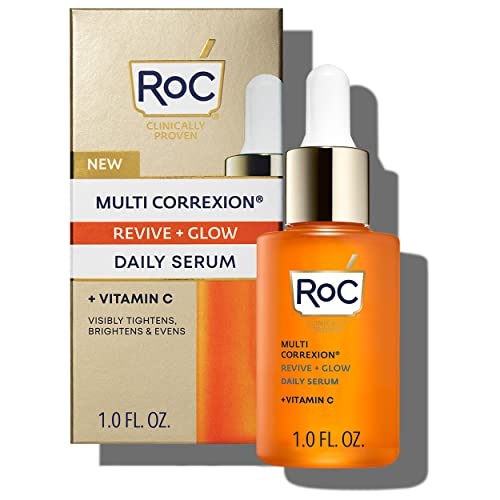
Vitamin C - Look for L-ascorbic formulations at 10-20% strengths for antioxidant protection and brightening effects.
Niacinamide - This antioxidant can inhibit melanin when applied topically as 5% niacinamide creams. It helps rebuild healthy skin.
Retinol - Available without prescription at strengths up to 2%, OTC retinol aids gentle cell turnover to help fade spots faster.
Hydroquinone - Most non-prescription hydroquinone is 2-4%. Use cautiously as higher doses increase risks.
However, these OTC options are becoming less frequent, largely due to inappropriate and overuse leading to paradoxical hyperpigmentation of the skin. As such, the best bet is to go to a dermatologist for this prescription treatment.
Azelaic acid - Mild OTC options at 5-10% help reduce dark patches while calming inflammation.
AHAs - Glycolic or lactic acids promote surface exfoliation and skin regeneration at lower strengths under 10-15%.


Using OTC ingredients consistently is key to seeing gradual lightening of discoloration. Harsher prescription bleaching agents work more powerfully. While licorice root has been studied and proposed as a natural herbal treatment for dark spots, more studies are needed. We reviewed the existing literature on licorice root treatments and would not recommend this as a standalone product at this time, though it may be frequently included in topical formulations of dark spot correctors.

Image by Freepik
How Can I Fade Dark Spots Specifically on Darker Skin Tones?
Those with darker complexions require extra care when attempting to lighten pigmented patches to avoid complications like irritation or causing excessive lightening of the surrounding normal skin. Here are dermatologist tips for darker skin:
Avoid higher-concentration prescription bleaching agents. Moderate-strength hydroquinone 2-4% is safer.
Focus on exfoliating ingredients like lactic acid, niacinamide and vitamin C to lift dark areas instead of blocking melanin.
Apply hydroquinone to only dark spots instead of entire face to prevent lightening normal skin or worsening discoloration when stopped.
Add trials of topical anti-inflammatories like corticosteroids or azelaic acid to prevent post-inflammatory hyperpigmentation. Long term use of corticosteroids is not advised for skin on the face.
Avoid lasers or chemical peels that remove top skin layers rapidly. Gentler superficial peels only.
Be diligent with broad-spectrum, tinted sunscreen to inhibit any dark spot worsening from UV exposure.
Accept gradual lightening over months may be needed to avoid irritation risks compared to lighter skin tones.
Consult a dermatologist experienced in treating darker complexions to provide guidance tailored to your individual needs and sensitivity risks. Patience and caution bring best dark spot removal results for those with darker skin tones.
Why Does My Dermatologist Recommend "Sandwich" Treatments?
One advanced technique dermatologists use to enhance prescription dark spot creams is called "sandwiching" or layered treatment:
First, after cleansing, they have the patient apply a prescription fade cream like a retinoid, hydroquinone or azelaic acid to dark areas only.
Second, a thin layer of OTC options like vitamin C or niacinamide are smoothed over the entire face.
Last, a final sealant layer of moisturizer is applied to lock everything in.
This sandwich method allows strong prescription lighteners to be used precisely on pigmented spots only. The OTC ingredients provide gentler overall brightening and antioxidant protection to the full face. Locking moisturizers prevent sensitivity while maximizing penetration.
By strategically layering targeted spot treatments between protective antioxidant creams, dermatologists safely leverage both prescription and OTC options for optimal dark spot lightening based on your individual needs.
How Can In-Office Procedures Remove Dark Spots More Quickly?
While daily medicated creams gradually fade dark patches over weeks to months, dermatological procedures like lasers and peels can speed up clearance dramatically by targeting discoloration on a cellular level:
Laser treatments - Multiple laser and IPL devices may help rapidly break up melanin clusters causing pigmented lesions on the skin’s surface.
Chemical peels - Medium-depth peels with glycolic acid or TCA penetrate into epidermal layers to accelerate lifting dark spots. Repeated treatments continue lightening.
Cryosurgery - Controlled freezing of dark spots with liquid nitrogen causes localized peeling of pigmented lesions.
In-office procedures allow more precise targeting of pigmented lesions with darker settings than could be safely used at home. While providing faster results, they still may require multiple treatments and proper aftercare. Combining these with daily topicals attacks dark spots on all fronts - surface exfoliating lighteners plus deeper dermal renewal procedures.
Tips for Keeping Your Complexion Even and Spot-Free
Once you’ve successfully lightened existing dark patches, maintaining results means being vigilant with sun protection and preventative skincare:
Wear broad-spectrum SPF 30+ sunscreen daily, reapplying every 2 hours outdoors. This protects against further UV damage. In response to UV exposure, the skin produces excess melanin in some people
Avoid tanning beds, sunburns, and prolonged sun exposure to prevent new dark spots from developing.
Use antioxidant serums like vitamin C or niacinamide to inhibit oxidative damage to the skin contributing to pigmentation.
Exfoliate regularly with gentle AHAs to remove dead skin cells and prevent buildup that can appear darker if allowed to linger.
If prone to post-inflammatory hyperpigmentation, immediately treat any acne or skin injuries to minimize likelihood of lingering dark marks.
See your dermatologist promptly if any new dark spots arise or worsen so lightening treatment can begin ASAP before pigmentation becomes harder to remove.
By shielding your skin from the sun, nourishing it with protective topicals, and treating any pigmentation early, you can keep your complexion clear and radiant long-term.
The Key Takeaways on Fading Dark Spots for Your Best Skin
Dark spots have various causes including sun damage, hormones, inflammation, medications and aging. Identifying the trigger guides treatment.
Prescription bleaching creams like hydroquinone, retinoids, vitamin C and azelaic acid inhibit melanin production to safely lighten discoloration under medical supervision.
OTC options help but take longer to fade spots. Look for vitamin C, niacinamide, AHAs, and low-concentration hydroquinone.
Go cautiously with skin lightening on darker complexions. Focus on lifting dark patches vs. blocking melanin to avoid complications.
Layering targeted prescription spot treatments between antioxidant creams enhances efficacy through “sandwiching”.
Advanced in-office procedures like lasers, peels and microneedling speed up the removal of stubborn pigmented lesions.
Daily sun protection, exfoliation, and antioxidants are key to prevent new dark spots from forming after lightening.
With the right dermatologist prescribed regimen, those frustrating dark spots on your skin can be diminished for a clearer, more confident complexion. Patiently follow your provider’s recommendations for optimal results.
-
Why do some skin lightening creams for dark spots require a prescription?
Prescription skin lighteners contain higher concentrations of ingredients like hydroquinone, retinoids, azelaic acid and corticosteroids that could cause issues if used improperly without medical guidance. Dermatologist oversight ensures proper application only to pigmented areas to avoid lightening normal skin or complications.
How can I prevent dark spots on my face?
Protecting your face from the sun with broad-spectrum SPF 30+, avoiding unprotected sun exposure, maintaining even skin exfoliation, treating inflammatory acne promptly, and eating a diet rich in antioxidants helps minimize new dark spots from developing on the face.
How fast do dark spot correctors work?
Over-the-counter spot correctors produce gradual lightening over 4-8 weeks. Prescription medicated creams work faster, with spot fading visible from 2-4 weeks. In-office procedures like chemical peels or lasers work immediately to disrupt pigmentation, but require multiple treatments to fully remove dark patches.
Can niacinamide lighten dark spots?
Yes, topical niacinamide has been shown to inhibit melanin production in the skin, leading to lightening of dark spots when applied directly and used consistently over time. Its antioxidant properties help rebuild healthy, clear skin. Over-the-counter serums with niacinamide can assist with lightening mild dark spots and maintain an even skin tone.
How long does it take hydroquinone to work on dark spots?
Topical hydroquinone solutions begin lightening dark spots after about 2-4 weeks of consistent daily application. Maximum lightening is seen after about 2-3 months. Discoloration will begin to return within a few months after stopping hydroquinone, so continued use under dermatology guidance is recommended for maintaining results.
What are age spots?
Age spots, also known as sun spots or dark spots, are flat, tan, brown, or black spots that appear on the skin as a person gets older. They are caused by an overproduction of melanin in the skin.
How does skin type affect the appearance of dark spots?
Skin type can influence the development and visibility of dark spots. People with fair skin are more prone to developing age spots due to their skin's lower amount of melanin, which provides natural protection against UV radiation. However, individuals with darker skin tones can also experience discoloration or hyperpigmentation.
How can I treat dark spots?
Treating dark spots usually involves various approaches. It is recommended to consult with a board-certified dermatologist who can evaluate your specific situation and suggest appropriate treatment options. These may include using skin lightening products, undergoing chemical peels, laser treatments, or prescription medications.
What is the role of a board-certified dermatologist in addressing dark spots?
A board-certified dermatologist is a medical professional specialized in diagnosing and treating skin conditions. They have the expertise to evaluate your specific situation and provide tailored advice on managing and treating dark spots effectively.
How does proper skin care routine help with dark spots?
Following a consistent and effective skin care routine is crucial for managing dark spots. This includes cleansing, exfoliating, and moisturizing the skin regularly. Additionally, using sunscreen with at least SPF 30 can help protect your skin from further UV damage, which can exacerbate dark spots.
Are there any natural remedies to lighten dark spots?
While natural remedies may help brighten the skin, it's important to note that their efficacy can vary and may not provide the same results as professional treatments or dermatologist-recommended products. Some natural ingredients with potential skin lightening properties include lemon juice, aloe vera, and turmeric. However, it's advisable to consult with a dermatologist before using any natural remedies.
What causes dark spots on the skin?
Dark spots on the skin can be caused by various factors. These may include sun exposure, hormonal changes, skin trauma, acne scars, genetic predisposition, and certain medical conditions. It's important to identify the underlying cause of your dark spots to determine the most appropriate treatment.
Can I get rid of dark spots completely?
While it may not be possible to completely eliminate all dark spots, there are treatment options available to reduce their appearance and improve skin tone
What is skin cancer?
Skin cancer is a condition where abnormal cells grow uncontrollably in the skin. It is most often caused by exposure to ultraviolet (UV) radiation from the sun or tanning beds.
How can I improve uneven skin tone?
To improve uneven skin tone, you can try using skincare products specifically designed for this concern. Look for ingredients like skin discoloration correctors, which can help even out your skin tone.
What is dark spot correcting?
Dark spot correcting refers to the process of reducing the appearance of brown spots, skin discoloration, or areas of uneven skin tone. It typically involves using topical treatments or skincare products.
How can I lighten the skin?
If you want to lighten your skin, there are various options available. You can use products with natural skin lightening ingredients or consult a dermatologist for treatment for dark spots or hyperpigmentation.
What causes acne-prone skin?
Acne-prone skin is usually caused by a combination of factors, including excess oil production, clogged pores, bacteria, hormonal changes, and inflammation. It requires a comprehensive skincare routine to manage the condition.
How can I reduce the appearance of dark spots?
To reduce the appearance of dark spots, you can try using skin color correctors or treatments that target pigment in the skin. Regular use of sunscreen can also help prevent further darkening of existing spots.
How does the skin discoloration occur?
Skin discoloration can occur due to various reasons, including sun exposure, hormonal changes, inflammation, skin damage, or certain medical conditions. It happens when the production of melanin, the pigment responsible for skin color, is unevenly distributed.
Can dark spots be treated?
Yes, dark spots can be treated. There are numerous treatment options available depending on the severity of the spots. It is advisable to consult with a dermatologist who can provide professional guidance based on your specific situation.
-
We are a group of dermatology residents and attending physicians based in Boston, MA. Our team of Ivy League-trained dermatologists is demystifying the cosmeceutical industry by offering unbiased, scientifically supported reviews of skincare products. We are extremely passionate about skincare and making it accessible to all through education. We value integrity, practicality, and inclusivity. No sponsorships were received for the products prior to testing; we feel strongly about providing un-biased reviews. After blogs are published, following the links in this blog post may result in commission.
Dr. David Li is a recent graduate from the Harvard Combined Dermatology Residency Program. He is now in private practice as a procedural dermatologist in Downtown Boston where he offers skin cancer screenings, skin cancer surgeries, and laser and cosmetic rejuvenation. He has published more than 25 peer-reviewed research articles, is active as an advisor for multiple early-stage companies, and is an angel investor in the healthcare technology space. In his free time, he enjoys running to stay fit, cooking, and playing with his Australian shepherd, Laika.
Dr. Jacqueline Stevens is currently a resident in the Harvard Combined Dermatology Program. She completed her undergraduate studies and MD-PhD at the University of Virginia with a PhD in microbiology, immunology, and infectious disease. Jacqueline has interest in cutaneous oncology, melanoma, and dermatologic surgery. She has published work on the basic science of inflammation at skin barriers, dermatologic diseases, and systems used to classify squamous cell skin cancer. In her free time, she enjoys skiing, hanging with her rescue pup, and the outdoors.
Dr. Olivia Davies is a dermatology resident at the Harvard Combined Dermatology Residency Program. Her dermatology interests include inpatient dermatology, complex-medical dermatology and medical education. She enjoys exploring the intersection between medicine and media — with past experiences that include rotating through the ABC News Medical Unit, publishing a graphic perspective in the New England Journal, and serving as a poetry editor for Intima: A Journal of Narrative Medicine. When she’s not learning or working, she can be found making cheese plates for friends, sipping a warm cup of coffee, or solving the newest NYT crossword puzzle.
Dr. Nelson Ugwu is a dermatology resident at the Harvard Combined Dermatology Residency Program. His clinical interests include general dermatology, skin of color and skin cancer prevention. Nelson has discovered mutations that cause skin diseases, as well as new treatments for skin conditions. In his free time, Nelson enjoys weightlifting, playing soccer and trying new recipes.
Dr. Arash Mostaghimi is an associate professor of dermatology at Harvard Medical School, the director of the inpatient dermatology consult service, and co-director of the Complex Medical Dermatology Fellowship at Brigham & Women’s Hospital. He is also the principal investigator of the Mostaghimi Lab, where he leads a diverse group of physicians and researchers to study alopecia areata, an autoimmune hair loss condition which afflicts his daughter. In addition to his research, he is an advisor to multiple companies and is an associate editor of JAMA Dermatology.