Authors: David Li, MD, MBA & Nelson Ugwu, MD
Table of Contents
Schedule a Consultation at a Reputable Tattoo Removal Clinic
General tips for preparing for your first laser tattoo removal
What Actually Happens During a Laser Tattoo Removal Session?
Types of Lasers Used for Laser Tattoo Removal
Key Takeaways on the Science
Follow Your Clinic’s Aftercare Instructions Carefully
Frequently Asked Questions (FAQs)
Getting a tattoo can seem like a good idea at the time, but later down the road you may decide you want to remove it. Thanks to advances in laser tattoo removal technology, it's now easier than ever to erase unwanted ink. But before you undergo laser tattoo removal, it's crucial to properly prepare for your first session to help ensure the best results.
In this guide, we'll walk you through everything you need to know to get ready for your initial laser tattoo removal treatment. Read on for tips on scheduling a consultation, numbing and aftercare, what to expect during the session, and more advice to prep for your first appointment. As an added bonus, we will also discuss the science behind these laser devices used for tattoo removal. With the right preparation, you can kickstart your tattoo removal journey on the right foot.
Schedule a Consultation at a Reputable Tattoo Removal Clinic
The first step is booking a consultation at a licensed facility that specializes in laser tattoo removal. This initial appointment is extremely important, as the dermatologist will assess your tattoo, determine how many treatments will be required for removal, discuss which laser is best for your specific ink colors (more on this later), go over what happens during a session, explain aftercare and answer any questions.
Be sure to choose an experienced operator who has extensive knowledge of laser tattoo removal. Undergoing treatments from an unqualified person risks complications that could lead to scarring or infection.
During your consultation, give the provider your full medical history. Disclose any conditions or medications you’re taking, as some may increase the risk of complications. Be prepared to discuss when and where you got the tattoo, previous removal attempts, allergic reactions you may have had, your pain tolerance, desired outcome and main concerns. The more details you provide, the better the clinic can customize your laser removal treatment plan.
General tips for preparing for your first laser tattoo removal
Avoid Sun Exposure and Tanning 4-6 Weeks Before Your First Session
It's crucial to avoid sun exposure and tanning beds for at least four to six weeks prior to your first laser treatment. Exposure to UV rays can tan or burn the skin, which interferes with the laser's ability to target the tattoo pigments. Tanned skin is more prone to adverse reactions like blistering and scarring during laser removal.
If you'll be in the sun regularly leading up to your appointment, apply a broad-spectrum sunscreen with SPF 30 or higher. See our recommended products here (which work well on light and dark skin tones). Cover the tattoo with clothing when possible. Reschedule your first session if you get sunburned so your skin has time to fully heal. Starting the process with tanned skin will lead to poor results.
Stop Smoking At Least Two Weeks Before Your First Appointment
You should quit smoking cigarettes or using nicotine products like vapes or patches for a minimum of two weeks before your initial laser session. Nicotine impedes blood flow and can interfere with your body’s lymphatic system, which is crucial for flushing tattoo ink particles released by the laser. Smoking slows your body’s healing processes and increases the risk of complications after treatment.
Don’t Take Aspirin, Ibuprofen or Certain Supplements
Avoid taking aspirin, ibuprofen, fish oil, vitamin E and other blood thinning medications or supplements for ideally two weeks leading up to your laser removal appointment. These can cause excess bleeding and bruising when paired with laser treatments. Check with your provider about which products to discontinue ahead of time.
Prep the Treatment Area Properly
To prep your skin for the laser, avoid using irritating products like retinoids, benzoyl peroxide and glycolic acid or chemical peels on the tattoo for one week pre-treatment. Shave the area, then wash with a gentle cleanser and apply a fragrance-free moisturizer to hydrate the skin. Don’t apply lotions or creams right before your session. Avoid wearing tight clothing over the tattoo to allow for swelling.
Consider Using a Numbing Cream
Laser tattoo removal can be uncomfortable, particularly over bony, thinly skinned or highly sensitive areas. Many clinics offer a topical numbing cream that’s applied prior to the session. The anesthetic effect makes the laser pulses more tolerable. Discuss options like lidocaine cream with your provider beforehand to decide if it's right for you. If using numbing cream, arrive 30-60 minutes early to allow time for it to take effect. Additionally, local injections of an anesthetic may be used for better pain management.
Take Tylenol and Eat a Full Meal Before Your Appointment
Taking Tylenol pre-treatment can help alleviate discomfort during your session. Eat a full meal before arriving to keep your blood sugar stable. Avoid alcohol, caffeine and empty stomach, as these can amplify pain. Stay hydrated by drinking extra water the day of your appointment.
What Actually Happens During a Laser Tattoo Removal Session?
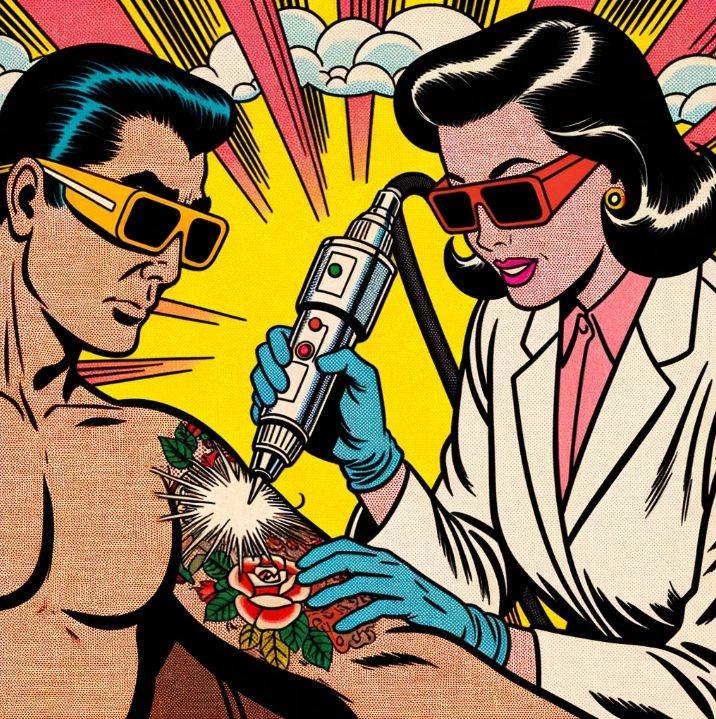
Now that you know how to prepare your skin and body, let’s discuss what you can expect during the laser treatment itself. First, the provider will clean the tattoo area. You’ll be given protective eyewear to shield your eyes from the laser light.
When the provider is ready to begin, they’ll use a handheld laser device to administer quick pulses of laser over the tattoo, targeting the ink trapped in the deeper layers of skin. The laser beams pass through the top layers of skin and are absorbed by the tattoo pigments, breaking them into tiny particles using photo-acoustic and photo-mechanical properties. It may feel like hot rubber band snaps on your skin. You may experience a slight burning smell as the laser breaks up the ink.
Each pulse lasts just a fraction of a second, but the provider may deliver hundreds of pulses during the complete treatment of larger tattoos to fully cover every bit of tattooed skin. The session typically takes less than 30 minutes for small tattoos up to a few hours for full back pieces or sleeves. After completing the full treatment, you will usually schedule a return appointment.

Image by dgim-studio on Freepik
Types of Lasers Used for Laser Tattoo Removal
There are several different laser wavelengths that can be utilized for removing unwanted tattoos. The type of laser used will depend on the particular pigments in your tattoo ink. The patient’s skin tone is also critical in determining the laser settings and wavelength that will be used. Here's an overview of the most common lasers:
Q-Switched Ruby Laser: One of the first tattoo removal lasers, the Q-switched ruby laser targets black, green and blue-black inks.
Q-Switched Nd:YAG Laser: The 1064 nm wavelength from the Q-switched Nd:YAG laser works best on black and dark blue inks. It penetrates deeper into the skin than ruby lasers.
Picosecond Lasers: Picosecond lasers deliver ultra-short pulses for better fragmentation of tattoo particles. Models like the PicoSure and Picoway laser treat a broad color spectrum.
Q-Switched Alexandrite Laser: The 755 nm alexandrite laser effectively removes black, dark blue and green pigments.
Q-Switched Nd:YAG 532 nm Laser: The frequency-doubled 532 nm Nd:YAG laser works well for red, orange, white, violet and yellow tattoo inks.
Factors That Determine Best Laser Type:
Color of tattoo ink: Black ink absorbs nearly all laser wavelengths. Colored inks respond best to specific complementary wavelengths that target their pigment.
Age and depth of tattoo: Older, professional tattoos with ink deeper in the skin need longer wavelength lasers that penetrate deeper, like the Nd:YAG laser.
Amateur vs. professional tattoo: Amateur tattoos in the epidermis are easier to remove with shorter wavelength lasers like alexandrite and ruby.
Skin tone: Darker skin is at higher risk of damage from shorter wavelength lasers. Longer wavelengths like Nd:YAG 1064 nm are safer for darker skin tones.
Multi-Pass Laser Treatments
Since most tattoos contain a mixture of colors, multiple laser passes are often needed:
First pass uses laser best suited for darkest color
Second pass uses different laser for other color(s)
Can be done in one session or separate sessions
Considerations for Patients with Darker Skin Tones
Longer wavelength Nd:YAG 1064 nm laser is safest for darker skin
Shorter wavelengths like ruby and alexandrite carry higher risk of burns
Use lower laser settings and pulses to avoid heating the skin; Also consider pre/post cooling techniques but being careful not to cause hypopigmentation from too intense of cooling.
Time sessions to avoid sun exposure and tanning beforehand
Key Takeaways on the Science
Black ink absorbs all laser wavelengths, while colors respond best to specific wavelengths
Multiple laser passes are needed to remove tattoos with a mix of colors
Longer wavelengths are safer for darker skin tones
Work with an experienced provider to determine the ideal laser(s) for your specific tattoo
Follow Your Clinic’s Aftercare Instructions Carefully
Proper aftercare is vital for healing, avoiding complications and maximizing results from laser tattoo removal. Here are some standard instructions your clinic will likely recommend:
Apply a healing cream or ointment 2-3 times a day as directed. Don’t pick scabs or scabs will form. This can cause scarring and infection.
Avoid sun exposure until fully healed. Wear lightweight clothing over the treated area and use a broad spectrum SPF 30 sunscreen.
Cool compresses, non-stick gauze and gentle moisturizers can provide relief for swelling, blistering and other reactions. Take over-the-counter pain medication as recommended.
Avoid strenuous exercise that could rub the treated area for at least 24 hours. Don’t submerge the tattoo in baths, pools or hot tubs until healed.
Be vigilant about following your clinic’s specific aftercare guidelines to the letter for the best possible results. Report any concerning signs like oozing, increasing redness or severe pain to your provider right away. Multiple sessions spaced six to eight weeks apart are usually needed to remove the majority of a tattoo, depending on its size and colors. However, complete removal may be challenging and there may always be evidence that you previously had a tattoo at the location.
Most Importantly, Remember That Having Realistic Expectations Is Key
While laser technology has come a long way, be patient and don’t expect your tattoo to be erased completely after one session. On average, professional laser removal takes anywhere from 3 to 10 or more treatments over several months to see complete results. Not properly preparing for your initial laser session can mean you require more treatments in the long run.
Set yourself up for success by following all of the preparation and aftercare steps. With realistic expectations, appropriate techniques and skilled providers, you'll be on the path to smooth, tattoo-free skin.
-
How do I prepare for laser tattoo removal?
Before your laser tattoo removal appointment, it is important to prepare your skin. Make sure to follow these steps:
1. Avoid sun exposure
2. Shave the area
3. Cleanse the area
4. Avoid applying any lotions or creams
By taking these precautions, you can ensure the best results from your laser tattoo removal treatment.
How does laser tattoo removal work?
Laser tattoo removal works by using high-intensity laser beams to break down the tattoo ink particles into smaller fragments. These fragments are then naturally eliminated by the body's immune system over time. The laser targets the pigments in the tattoo without harming the surrounding skin.
Should I wear loose clothing after laser tattoo removal treatment?
Yes, it is advisable to wear loose clothing after your laser tattoo removal treatment. This will help prevent any friction or irritation on the treated area, allowing it to heal properly. Loose clothing also minimizes the risk of rubbing or scratching the area, which could lead to complications.
How long does it take for a tattoo to be fully removed?
The removal process for tattoos can vary based on several factors, such as the size and color of the tattoo, as well as the individual's response to the laser. On average, multiple sessions (often more than 10) are required for best results. Each session typically takes a few minutes to an hour, depending on the size of the tattoo and may require topical or local anesthesia.
What can I expect during the first laser tattoo removal treatment?
During your first laser tattoo removal treatment, the provider will clean the area and apply a numbing cream, if necessary. They will then use the laser device to target the tattoo, emitting short pulses of laser energy. You may feel some discomfort, similar to the feeling of a rubber band snapping against the skin. After the treatment, the provider will apply a topical cream or ointment to aid in healing.
How should I prepare for my laser tattoo removal appointment?
Prior to your laser tattoo removal appointment, there are a few things you can do to prepare:
1. Avoid sun exposure and tanning
2. Avoid taking aspirin or ibuprofen, as these can increase the risk of bleeding
3. Shave the area being treated
4. Cleanse the area and remove any lotions or creams
-
We are a group of dermatology residents and attending physicians based in Boston, MA. Our team of Ivy League-trained dermatologists is demystifying the cosmeceutical industry by offering unbiased, scientifically supported reviews of skincare products. We are extremely passionate about skincare and making it accessible to all through education. We value integrity, practicality, and inclusivity. No sponsorships were received for the products prior to testing; we feel strongly about providing un-biased reviews. After blogs are published, following the links in this blog post may result in commission.
Dr. David Li is a recent graduate from the Harvard Combined Dermatology Residency Program. He is now in private practice as a procedural dermatologist in Downtown Boston where he offers skin cancer screenings, skin cancer surgeries, and laser and cosmetic rejuvenation. He has published more than 25 peer-reviewed research articles, is active as an advisor for multiple early-stage companies, and is an angel investor in the healthcare technology space. In his free time, he enjoys running to stay fit, cooking, and playing with his Australian shepherd, Laika.
Dr. Jacqueline Stevens is currently a resident in the Harvard Combined Dermatology Program. She completed her undergraduate studies and MD-PhD at the University of Virginia with a PhD in microbiology, immunology, and infectious disease. Jacqueline has interest in cutaneous oncology, melanoma, and dermatologic surgery. She has published work on the basic science of inflammation at skin barriers, dermatologic diseases, and systems used to classify squamous cell skin cancer. In her free time, she enjoys skiing, hanging with her rescue pup, and the outdoors.
Dr. Olivia Davies is a dermatology resident at the Harvard Combined Dermatology Residency Program. Her dermatology interests include inpatient dermatology, complex-medical dermatology and medical education. She enjoys exploring the intersection between medicine and media — with past experiences that include rotating through the ABC News Medical Unit, publishing a graphic perspective in the New England Journal, and serving as a poetry editor for Intima: A Journal of Narrative Medicine. When she’s not learning or working, she can be found making cheese plates for friends, sipping a warm cup of coffee, or solving the newest NYT crossword puzzle.
Dr. Nelson Ugwu is a dermatology resident at the Harvard Combined Dermatology Residency Program. His clinical interests include general dermatology, skin of color and skin cancer prevention. Nelson has discovered mutations that cause skin diseases, as well as new treatments for skin conditions. In his free time, Nelson enjoys weightlifting, playing soccer and trying new recipes.
Dr. Arash Mostaghimi is an associate professor of dermatology at Harvard Medical School, the director of the inpatient dermatology consult service, and co-director of the Complex Medical Dermatology Fellowship at Brigham & Women’s Hospital. He is also the principal investigator of the Mostaghimi Lab, where he leads a diverse group of physicians and researchers to study alopecia areata, an autoimmune hair loss condition which afflicts his daughter. In addition to his research, he is an advisor to multiple companies and is an associate editor of JAMA Dermatology.