Pregnancy Skincare 101: The Essential Safety Guide for Common Products & Ingredients


Table of Contents
Understanding Common Pregnancy-Induced Skin Changes and Concerns
OTC Skincare Ingredients To Avoid During Pregnancy
Prescription Skincare Ingredients to Avoid During Pregnancy
Best Pregnancy-Safe Skincare Ingredients for Your Routine
Dermatologist-Recommended Acne Products and Cleansers
Pregnancy-safe Moisturizers for dry or itchy skin
Best Pregnancy-Safe Sunscreens
Post-Pregnancy Skincare: Addressing Skin Concerns After Birth
Frequently Asked Questions (FAQs)
Pregnancy can be both an exciting and challenging period in one’s life. It brings immense change that affects many aspects of life - from the foods we eat, to the hours we sleep, to the products we use, and to the medicines we take. The ensuing physiological and hormonal fluctuations can significantly impact the skin, leading to conditions like acne, hyperpigmentation, and stretch marks - just to name a few. However, not all skincare products are safe during this transformative period. It is crucial to understand which ingredients to avoid and embrace when navigating the complex world of pregnancy-safe skincare. This guide aims to provide evidence-based information to help you make informed choices for your changing skin needs, though we always advise consulting your medical team.
Understanding Common Pregnancy-Induced Skin Changes and Concerns
During pregnancy, the body undergoes hormonal changes that can significantly affect the skin. Some women experience the much-coveted "pregnancy glow," while others may face challenges like acne, dry skin, or changes in skin tone or skin texture. It's important to remember that every pregnancy is unique, and so are the skin changes that come with it. Some common skin concerns during pregnancy include:
Acne: Hormonal fluctuations can lead to increased oil production, resulting in acne. This can be particularly challenging for those who have a history of acne or have acne-prone skin.
Melasma: Also known as the "mask of pregnancy," melasma causes dark, discolored patches on the skin due to hormonal changes. This can be particularly noticeable in women with darker skin tones.
Stretch Marks: As your body expands to accommodate your growing baby, you may develop stretch marks. These can appear on the belly, breasts, thighs, and buttocks.
Dry Skin: Many women experience dry or itchy skin during pregnancy. This can be due to hormonal changes or increased skin sensitivity.
Decoding Ingredients: What to Avoid in Skincare Products During Pregnancy
When it comes to skincare during pregnancy, not all ingredients are created equal. Some can potentially harm your baby or cause complications. This is a list of ingredients found in common over the counter (OTC) dermatologic medications you want to avoid now that you're pregnant:
Benzoyl Peroxide and Salicylic Acid: High doses of these acne-fighting ingredients can potentially cause complications. They may be found in cleansers, toners, and spot treatments. Salicylic acid may also be used in chemical peels. Both of these ingredients are likely acceptable in low doses according to the American College of Obstetricians and Gynecologists guidelines for skin conditions during pregnancy. However, the FDA rates both ingredients as pregnancy grade C, meaning ‘risk cannot be ruled out’.
Chemical Sunscreens: The FDA issued guidance in 2021 indicating that more data is needed to ascertain the safety of chemical sunscreens containing ensulizole, homosalate, meradimate, octinoxate, octisalate, octocrylene, padimate O, sulisobenzone, oxybenzone, and avobenzone. Therefore, many dermatologists may not routinely recommend chemical sunscreens out of an abundance of caution.
Glycolic acid and other alpha-hydroxy acids (AHAs) in medical grade chemical peels are generally not recommended during pregnancy, as well as any other medical grade chemical peels (Jessner, TCA, etc). Please discuss with your dermatologist regarding over-the-counter use of glycolic acid as glycolic acid does not currently have a pregnancy rating by the FDA.
Hydroquinone: This skin-lightening ingredient is absorbed into the skin at a higher rate than others, making it less safe during pregnancy. It's often found in skin lightening creams and dark spot correctors.
Retinoids: Found in anti-aging and acne products, retinoids are linked to birth defects. They are often listed as tretinoin, retinol, retinyl palmitate, retinyl acetate, retinyl linoleate, retinyl propionate, retinoic acid, retin-A, tazarotene, among others.
There are a vast number of medications that should be avoided during pregnancy although that may be out of scope for this piece, and should best be addressed with your physician. Here are some commonly avoided dermatology-related prescription medications that we counsel patients to avoid if planning on conceiving a child:
Acitretin - An oral psoriasis drug that is a known teratogen with effects lasting for months after stopping due to long half-life.
Anti-androgen therapies - Medications like spironolactone or finasteride are discontinued prior to attempts at conception.
Cyclosporine - Immunosuppressant used for conditions like psoriasis that has potential risks in pregnancy but can be used with caution in some cases.
Imiquimod and 5-fluorouracil: Both of these medications may be used to treat warts or precancers and should not be used during pregnancy.
Isotretinoin - This oral acne medication is highly teratogenic and strictly contraindicated for women who are or may become pregnant. It can cause severe birth defects.
Methotrexate - This immunosuppressive drug used for psoriasis and other autoimmune conditions is typically discontinued at least 3-6 months prior to conception due to risk of teratogenicity and pregnancy complications.
Tacrolimus and pimecrolimus: Both medications are topical calcineurin inhibitors used in the treatment of many dermatologic conditions and should be avoided during pregnancy.
Tetracycline antibiotics - Oral antibiotics like doxycycline used for acne should be avoided as they can affect bone/tooth development.
This is not a comprehensive list of medications that should be avoided during pregnancy.
The risks versus benefits of any needed prescription medications during pregnancy should be carefully discussed with the treating physician. But the above examples are often stopped pre-conception due to known or potential fetal harm. Please consult your dermatologist or physician on medications to avoid during lactation which we did not cover here.
Embracing Safe Ingredients: Best Pregnancy-Safe Skincare Ingredients for Your Routine
While some ingredients are off-limits during pregnancy, many are safe and can be continued. Here are some active ingredients in many products that are pregnancy safe and commonly part of a daily skin care routine:
Clindamycin (topical): This topical antibiotic is used frequently for treatment of acne and is safe during pregnancy. The FDA rates this medication as pregnancy class B (no proven risk). This requires a prescription from your physician.
Hyaluronic Acid: This hydrating ingredient is safe to use during pregnancy and can help combat dry skin. Products that contain HA can be found in serums, moisturizers, and hydrating masks.
Vitamin C: This antioxidant can help brighten your skin tone and is safe to use in pregnancy. It's often found in serums, moisturizers, and brightening creams.
Follow our team on Instagram to stay updated on the results of our pending experiments where we test the best hyaluronic acid serums and best Vitamin C serums under $50.
Titanium Oxide: This is also a common ingredient found in mineral sunscreens and is considered safe and effective in pregnancy.
Read our blog on the best sunscreens to use (some of these contain zinc and titanium only)
Zinc Oxide: This is a safe and effective sunscreen ingredient for pregnant women. It's often found in mineral sunscreens. It does not get absorbed into the blood stream like chemical sunscreens as it does not cross the skin barrier.
Dermatologist-Recommended Acne Products and Cleansers
Acne is a common skin issue during pregnancy, but many acne-fighting ingredients are not safe for pregnant women. Our very own Dr. Mostaghimi and his research team performed a review of this topic published earlier this year, highlighting some of the medications we have already discussed.
Reference: Ly S, Kamal K, Manjaly P, Barbieri JS, Mostaghimi A. Treatment of Acne Vulgaris During Pregnancy and Lactation: A Narrative Review. Dermatol Ther (Heidelb). 2023 Jan;13(1):115-130. doi: 10.1007/s13555-022-00854-3. Epub 2022 Nov 29. PMID: 36447117; PMCID: PMC9823189.
However, products containing azelaic acid can be an effective alternative. Here is a list of pregnancy-safe skin care products for acne:
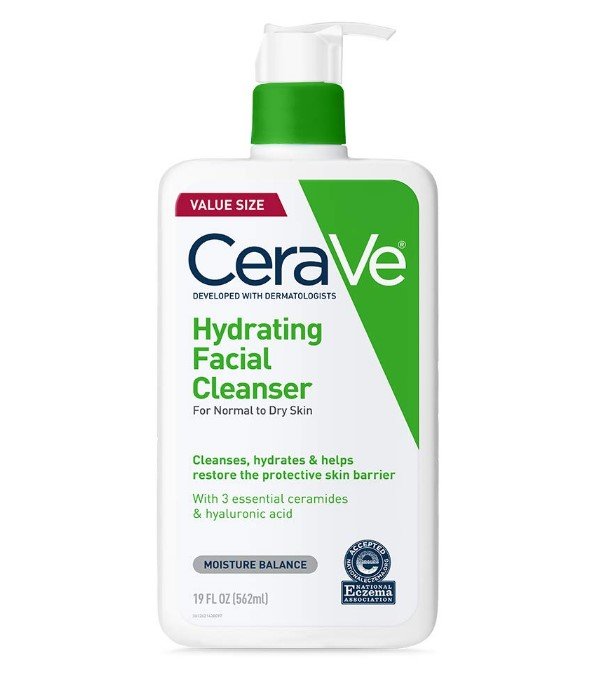

CeraVe Hydrating Facial Cleanser - This product is what we recommend to our patients, especially those with acne or oily/sensitive skin. True to its name, the cleanser is gentle and has a hydrating effect.
Azelaic acid - Azelaic acid is a great product that used to be prescription only, but can now be found over the counter. It has similar effects as retinols, but does not contain any retinol so it’s pregnancy-safe. Naturium seems to be a reliable brand that has been around for some time. We also recommend the Ordinary’s Azelaic acid, though it seems to be frequently out of stock on Amazon.
Pregnancy-safe Moisturizers for dry or itchy skin
Dry or itchy skin is another common concern during pregnancy. Look for moisturizers with hydrating ingredients like hyaluronic acid or ceramides. Avoid products with fragrances or preservatives, as they can irritate sensitive skin. Here is our list of recommended products to keep your skin hydrated:

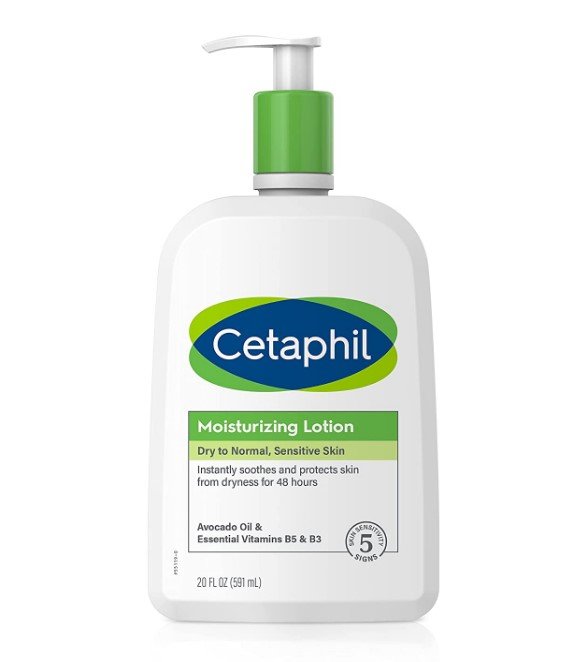
Cerave moisturizing cream - this is the workhorse cream that we recommend for most patients with dry skin or eczema/atopic dermatitis. Even if you do not have dry skin at baseline, pregnancy can induce skin changes which may warrant application of a moisturizing cream such as this.
Cetaphil body lotion - if you do not like the thickness of a moisturizing cream, a lighter weight lotion such as this is what we recommend to patients.
The Importance of Sunscreen and Best Pregnancy-Safe Options
Sunscreen is crucial during pregnancy, as your skin may be more sensitive to the sun. Look for sunscreens with physical blockers like zinc oxide or titanium dioxide, which are considered safe in pregnancy. Read our blog on the best sunscreens to use (some of these contain zinc and titanium only)
Here are some that we recommend:
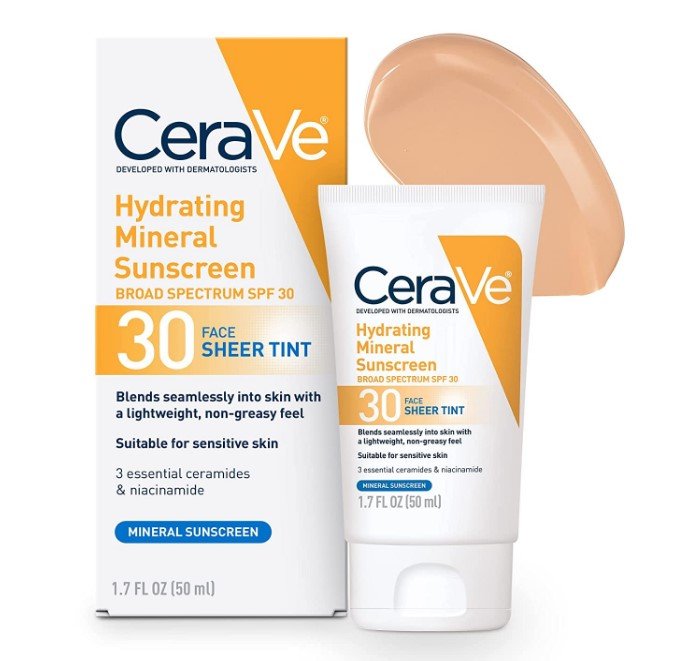


Cerave SPF 30 Mineral (face) - great product that has a soft finish and applies easily across the face
Tizo SPF 40 Mineral (face) - good for patients who also wear makeup or have olive to darker skin
Coppertone SPF 50 Mineral (body) - safe and cost-effective mineral sunscreen for the body
Blue lizard SPF 50 Mineral (body) - another safe and cost-effective mineral sunscreen for the body
Post-Pregnancy Skincare: Addressing Skin Concerns After Birth
After giving birth, your skin will continue to change as your hormone levels normalize. Continue using pregnancy-safe products until you've finished breastfeeding. If you're dealing with postpartum skin issues like melasma or post-acne marks, consider products with vitamin C or niacinamide, which can help brighten the skin and even out skin tone to help your skin feeling smooth and youthful.
Always consult your board-certified dermatologist for any concerns that are persistent and bothersome.
References
Murase JE, Heller MM, Butler DC. Safety of dermatologic medications in pregnancy and lactation: Part I. Pregnancy. J Am Acad Dermatol. 2014 Mar;70(3):401.e1-14; quiz 415. doi: 10.1016/j.jaad.2013.09.010. PMID: 24528911.
Butler DC, Heller MM, Murase JE. Safety of dermatologic medications in pregnancy and lactation: Part II. Lactation. J Am Acad Dermatol. 2014 Mar;70(3):417.e1-10; quiz 427. doi: 10.1016/j.jaad.2013.09.009. PMID: 24528912.
Ly S, Kamal K, Manjaly P, Barbieri JS, Mostaghimi A. Treatment of Acne Vulgaris During Pregnancy and Lactation: A Narrative Review. Dermatol Ther (Heidelb). 2023 Jan;13(1):115-130. doi: 10.1007/s13555-022-00854-3. Epub 2022 Nov 29. PMID: 36447117; PMCID: PMC9823189.
Questions and Answers: sunscreen deemed final order and proposed order Center for Drug Evaluation and Research https://www.fda.gov/drugs/understanding-over-counter-medicines/questions-and-answers-fda-posts-deemed-final-order-and-proposed-order-over-counter-sunscreen
-
How does pregnancy affect my skin?
Pregnancy can lead to hormonal changes that affect your skin, causing issues like acne, melasma, stretch marks, and dry skin.
What about Botox? Can I get Botox if I am pregnant?
The jury seems to be still out but most physcians will hold off on Botox if a patient is pregnant. Some studies have suggested that BTX-A is too large to cross the placenta as it has been used in patients with chronic migraines safely, but the numbers are small and studies are scarce. Therefore, to be safe, we'd recommend taking a Botox hiatus while pregnant.
What skincare ingredients are safe during pregnancy? What skincare ingredients should I avoid during pregnancy?
Ingredients like hyaluronic acid, vitamin C, and zinc oxide are safe to use during pregnancy. See the above article for ingredients to avoid.
What skincare ingredients are safe during pregnancy? What skincare ingredients should I avoid during pregnancy?
Avoid skincare ingredients like retinoids, salicylic acid, and hydroquinone during pregnancy as they can potentially harm your baby or cause complications.
What are some dermatologist-approved skincare products for pregnancy?
Dermatologists recommend using products with safe ingredients like hyaluronic acid, vitamin C, and zinc oxide during pregnancy.
What are some safe skincare routines for pregnant women?
A safe skincare routine during pregnancy includes using a gentle cleanser, a hydrating moisturizer, and a physical sunscreen.
Why is sunscreen important during pregnancy?
Sunscreen is crucial during pregnancy as your skin may be more sensitive to the sun. It helps protect your skin from harmful UV rays and prevents sunburn and hyperpigmentation.
How can I maintain my skin glow after giving birth?
Continue using pregnancy-safe products until you've finished breastfeeding. If you're dealing with postpartum skin issues, consider products with vitamin C or niacinamide.
How can I treat dry skin during pregnancy?
Use a moisturizer with hydrating ingredients like hyaluronic acid or ceramides. Avoid products with fragrances or preservatives, which can irritate sensitive skin.
What are pregnancy-safe acne products and ingredients?
Azelaic acid and glycolic acid are safe and effective alternatives for treating acne during pregnancy.
What are some common skin concerns during pregnancy?
Acne, melasma, stretch marks, and dry skin are some common skin concerns during pregnancy.
What should I avoid in skincare products during pregnancy?
Avoid skincare products containing retinoids, salicylic acid, and hydroquinone during pregnancy.
What should I do for post-pregnancy skincare?
Continue using pregnancy-safe products until you've finished breastfeeding. If you're dealing with postpartum skin issues, consider products with vitamin C or niacinamide.
What are some best pregnancy-safe skincare products?
Look for products with safe ingredients like hyaluronic acid, vitamin C, and zinc oxide. These are often found in the best pregnancy-safe skincare products.
What are some best pregnancy-safe skin care products?
Products with safe ingredients like hyaluronic acid, vitamin C, and zinc oxide are often found in the best pregnancy-safe skin care products.
What are some best pregnancy-safe skin care routines?
A safe skincare routine during pregnancy includes using a gentle cleanser, a hydrating moisturizer, and a physical sunscreen. These are often part of the best pregnancy-safe skin care routines.
-
We are a group of dermatology residents and attending physicians based in Boston, MA. Our team of Ivy League-trained dermatologists is demystifying the cosmeceutical industry by offering unbiased, scientifically supported reviews of skincare products. We are extremely passionate about skincare and making it accessible to all through education. We value integrity, practicality, and inclusivity. No sponsorships were received for the products prior to testing; we feel strongly about providing un-biased reviews. After blogs are published, following the links in this blog post may result in commission.
Dr. David Li is a recent graduate from the Harvard Combined Dermatology Residency Program. He is now in private practice as a procedural dermatologist in Downtown Boston where he offers skin cancer screenings, skin cancer surgeries, and laser and cosmetic rejuvenation. He has published more than 25 peer-reviewed research articles, is active as an advisor for multiple early-stage companies, and is an angel investor in the healthcare technology space. In his free time, he enjoys running to stay fit, cooking, and playing with his Australian shepherd, Laika.
Dr. Jacqueline Stevens is currently a resident in the Harvard Combined Dermatology Program. She completed her undergraduate studies and MD-PhD at the University of Virginia with a PhD in microbiology, immunology, and infectious disease. Jacqueline has interest in cutaneous oncology, melanoma, and dermatologic surgery. She has published work on the basic science of inflammation at skin barriers, dermatologic diseases, and systems used to classify squamous cell skin cancer. In her free time, she enjoys skiing, hanging with her rescue pup, and the outdoors.
Dr. Olivia Davies is a dermatology resident at the Harvard Combined Dermatology Residency Program. Her dermatology interests include inpatient dermatology, complex-medical dermatology and medical education. She enjoys exploring the intersection between medicine and media — with past experiences that include rotating through the ABC News Medical Unit, publishing a graphic perspective in the New England Journal, and serving as a poetry editor for Intima: A Journal of Narrative Medicine. When she’s not learning or working, she can be found making cheese plates for friends, sipping a warm cup of coffee, or solving the newest NYT crossword puzzle.
Dr. Nelson Ugwu is a dermatology resident at the Harvard Combined Dermatology Residency Program. His clinical interests include general dermatology, skin of color and skin cancer prevention. Nelson has discovered mutations that cause skin diseases, as well as new treatments for skin conditions. In his free time, Nelson enjoys weightlifting, playing soccer and trying new recipes.
Dr. Arash Mostaghimi is an associate professor of dermatology at Harvard Medical School, the director of the inpatient dermatology consult service, and co-director of the Complex Medical Dermatology Fellowship at Brigham & Women’s Hospital. He is also the principal investigator of the Mostaghimi Lab, where he leads a diverse group of physicians and researchers to study alopecia areata, an autoimmune hair loss condition which afflicts his daughter. In addition to his research, he is an advisor to multiple companies and is an associate editor of JAMA Dermatology.