
Table of Contents
How Does Topical Vitamin C Benefit Your Skin? According to consumer websites
What Does the Science Actually Say About Vitamin C's Skin Benefits?
What Are The Controversies Around Vitamin C?
Differentiating Fact from Fiction
The Best Vitamin C Serum for Your Skin
How Should You Apply and Use Vitamin C Serum?
How Does Dietary Vitamin C Compare to Topical?
Adding vitamin C serum to your skincare routine may offer science-backed benefits for your complexion. As dermatologists, we will sometimes recommend using topical vitamin C to help enhance skin texture and tone. The topic of Vitamin C is somewhat controversial. Years ago, there was very limited evidence to recommend its use and over time, more studies have come up demonstrating positive benefits of Vitamin C serums. In the next section, we list some of the commonly touted benefits of Vitamin C. However, not all of these benefits will have the same amount of scientific data to substantiate it as a truth. In this article, we will explore the scientific evidence that helps to back up some of these claims, as well as claims that don't have much evidence or are still very controversial.
How Does Topical Vitamin C Benefit Your Skin? According to consumer websites
According to popular media, you will most often see Vitamin C being referred to as an antioxidant powerhouse for your skin. When you do a cursory search for 'benefits of vitamin C', you will likely see the following touted as possible benefits:
Boosts collagen production - Collagen provides structure and suppleness. Therefore, some sources say that Vitamin C stimulates collagen synthesis to maintain firmer skin.
Reduces hyperpigmentation - Vitamin C inhibits melanin production to brighten dark spots and improve uneven complexion, according to many online sources.
Protects against UV damage - Its antioxidants limit oxidative stress that ages skin. This helps safeguard against sun exposure.
Reduces appearance of wrinkles and fine lines - Can function in anti-aging of the skin for a more youthful appearance.
Improves moisture content - Hydrating benefits plump up the look of dry, dull skin.
Oral Vitamin C supplementation can help anti-aging - As an antioxidant, some sources suggest that oral supplementation can also have beneficial effects on wrinkles.
What Does the Science Actually Say About Vitamin C's Skin Benefits?
There are very few well-designed and thoughtfully conducted scientific studies suggesting the benefits of topical vitamin C. These are all about 20 years old at this point.
A 1999 study published in JAMA Head and Neck Surgery showed that a topical Vitamin C serum over a 3 month period led to improvement in photodamaged facial skin as demonstrated by optical image analysis.
Traikovich SS. Use of Topical Ascorbic Acid and Its Effects on Photodamaged Skin Topography. Arch Otolaryngol Head Neck Surg. 1999;125(10):1091–1098. doi:10.1001/archotol.125.10.1091
A 2002 study found daily use of 10% vitamin C serum for 3 months led to improvement in wrinkling, skin tone, hydration, and collagen markers vs placebo.
Fitzpatrick RE, Rostan EF. Double-blind, half-face study comparing topical vitamin C and vehicle for rejuvenation of photodamage. Dermatol Surg. 2002 Mar;28(3):231-6. doi: 10.1046/j.1524-4725.2002.01129.x. PMID: 11896774.
A 2005 clinical trial showed that use of 5% vitamin C serum for 6 months resulted in clinically measurable reduction of fine lines and wrinkles.
Humbert PG, Haftek M, Creidi P, Lapière C, Nusgens B, Richard A, Schmitt D, Rougier A, Zahouani H. Topical ascorbic acid on photoaged skin. Clinical, topographical and ultrastructural evaluation: double-blind study vs. placebo. Exp Dermatol. 2003 Jun;12(3):237-44. doi: 10.1034/j.1600-0625.2003.00008.x. PMID: 12823436.
A 2020 study in Nature Scientific Reports found that Vitamin C plus Squalene helped thicken the superficial layer of skin and increase collagen production. This is one of the only recent studies we found which helped support the use of Vitamin C alone.
Gref, R., Deloménie, C., Maksimenko, A. et al. Vitamin C–squalene bioconjugate promotes epidermal thickening and collagen production in human skin. Sci Rep 10, 16883 (2020). https://doi.org/10.1038/s41598-020-72704-1
Our takeaway is that the evidence for topical vitamin C serums are hopeful though most of the studies were conducted in the early 2000s. Since that time, many recent studies we read have either used suboptimal comparisons or do not test Vitamin C vs placebo alone. This may be due to the acceptance of Vitamin C's benefit on the skin. While more research is still needed, the existing body of evidence may support vitamin C as an effective topical anti-aging and brightening ingredient when properly formulated and applied to skin.
What Are The Controversies Around Vitamin C?
However, some dermatologists question the utility of vitamin C serums due to factors like:
Suboptimal or misaligned research design - as mentioned above, some of the more recent studies do not seem to be geared towards understanding the benefit of Vitamin C versus placebo alone.
A 2020 study designed as a single blinded randomized split face trial testing an antioxidant serum containing Vitamin C, E, and ferulic acid after Q switched laser demonstrated reduction in pigmentation of the treated side. However, the study did not compare Vitamin C plus Q switched laser to Q switched laser alone, which demonstrates the possibility of severe bias in this study.
Kim J, Kim J, Lee YI, Almurayshid A, Jung JY, Lee JH. Effect of a topical antioxidant serum containing vitamin C, vitamin E, and ferulic acid after Q-switched 1064-nm Nd:YAG laser for treatment of environment-induced skin pigmentation. J Cosmet Dermatol. 2020 Oct;19(10):2576-2582. doi: 10.1111/jocd.13323. Epub 2020 Feb 13. PMID: 32052907.
We discovered during our search that many studies compare a combination product that contains Vitamin C vs placebo, but more recent studies do not isolate the testing of Vitamin C alone vs placebo. The following is one of many examples.
Neves JR, Grether-Beck S, Krutmann J, Correia P, Gonçalves JE Jr, Sant'Anna B, Kerob D. Efficacy of a topical serum containing L-ascorbic acid, neohesperidin, pycnogenol, tocopherol, and hyaluronic acid in relation to skin aging signs. J Cosmet Dermatol. 2022 Oct;21(10):4462-4469. doi: 10.1111/jocd.14837. Epub 2022 Jun 21. PMID: 35150043.
Unconvincing Data on Collagen Effects - While many experts refer to Vitamin C as a necessary component of collagen synthesis, we were not able to find any reliable studies that demonstrated this in human skin.
Minimal Permeation Data - Due to its water-soluble nature, some experts debate the degree to which topical vitamin C actually penetrates skin rather than just getting washed or wiped away.
Pinnell SR, Yang H, Omar M, Monteiro-Riviere N, DeBuys HV, Walker LC, Wang Y, Levine M. Topical L-ascorbic acid: percutaneous absorption studies. Dermatol Surg. 2001 Feb;27(2):137-42. doi: 10.1046/j.1524-4725.2001.00264.x. PMID: 11207686.
Possible Irritation - Higher concentrations and lower pH levels, both required for efficacy, raise risks of redness, stinging and dryness in some individuals.
Al-Niaimi F, Chiang NYZ. Topical Vitamin C and the Skin: Mechanisms of Action and Clinical Applications. J Clin Aesthet Dermatol. 2017;10(7):14-17.
Differentiating Fact from Fiction
These are the earlier claims that can be found online for the benefits of Vitamin C. Based on our literature review, we assigned verdicts to various claims. ✔ means that the evidence seems to support the claim. ‘X’ means the evidence is lacking. ‘?’ Means that the evidence is mixed.
✔ Boosts collagen production - The scientific report from Nature did show increased collagen III production in human explanted skin and is the single study demonstrating this in a reliable manner. However, we did not find enough evidence showing long lasting effects of Vitamin C.
? Reduces hyperpigmentation - Vitamin C did improve the appearance of photodamage but this can be different from hyperpigmentation from other sources such as inflammation.
? Protects against UV damage - It's difficult to say whether it protects against UV damage, but it is indeed an antioxidant and in some studies demonstrated a positive effect on the appearance of photodamage.
✔ Reduces appearance of wrinkles and fine lines - We did find enough evidence convincing us that Vitamin C improves the appearance of fine wrinkles. We do not know whether topical application of Vitamin C can help slow early skin aging.
✔ Improves moisture content - We also found enough evidence for improving skin hydration and moisture content.
X Oral Vitamin C supplementation can help anti-aging - We did not find any evidence to support this claim.

Image by Freepik
Choosing the Best Vitamin C Serum for Your Skin
We are now going to transition away from exploring the evidence and focus more on integrating Vitamin C into your routine. This assumes that you are convinced of the evidence supporting the use of Vitamin C serums. If that is the case, then here are factors to look for in a vitamin C product to add to your skin care routine:
L-ascorbic acid - This is the only form clinically proven to absorb into skin and stimulate collagen. Look for serums featuring at least 10-15% L-ascorbic acid.
Low pH level - L-ascorbic acid needs an acidic pH below 3.5 to penetrate skin. Higher pH renders it ineffective. Quality serums will have an optimal pH around 2.0-3.5.
Added antioxidants - ingredients like Vitamin E and ferulic acid, and others create a synergistic antioxidant effect and stabilize the formula.
Non-irritating ingredients - Avoid dyes, fragrances, and irritants if you have sensitive skin. Nourishing botanical extracts help offset any dryness or flaking. We are big fans of www.skinsafeproducts.com and recommend cross-referencing your potential products to ensure hypo- or non-allergenicity if you have sensitive skin.
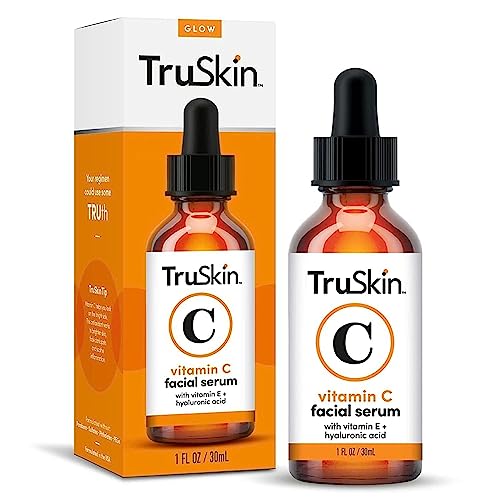
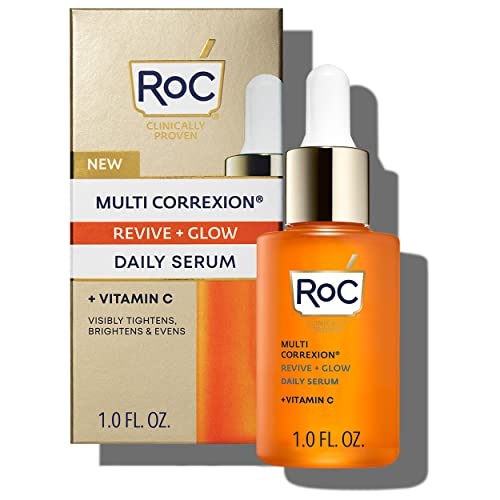
Here are the top 3 products that we liked the most after blind-testing 10 different affordable Vitamin C serums

How Should You Apply and Use Vitamin C Serum?
Once you’ve selected a properly formulated vitamin C serum, learn how to integrate it into your skincare routine:
Cleanse and tone - Apply serum on clean, dry skin so the pH isn't compromised and it can easily penetrate.
Use in the AM - Its energizing, protective benefits make the morning ideal. You can alternate or pair it with retinol at night.
Let it absorb - Wait 2-3 minutes before applying heavier moisturizers and sunscreens over your serum.
Store properly - Keep your serum in an opaque, airtight container and refrigerate for maximum stability and shelf life.
Use regularly - Daily use ensures continual benefits. You’ll see the best smoothing, brightening results over 8-12 weeks.
How Does Dietary Vitamin C Compare to Topical?
While oral vitamin C is an antioxidant and certainly beneficial for overall wellness and immune system, your skin only receives fractional amounts from Vitamin C in your diet. Topical vitamin C provides much higher concentrations directly where skin needs it most. Applying serums with 15-20% vitamin C would require eating unachievably large quantities orally and the mechanism of action may not be in the correct location. That said, getting sufficient vitamin C from dietary sources like citrus, bell peppers, and broccoli offers whole-body antioxidant support.
Are There Any Side Effects or Risks With Vitamin C?
While very safe, side effects of Vitamin C may include:
Mild redness, irritation, itching or burning, especially at higher strengths. This often subsides as skin builds tolerance.
Increased sunlight sensitivity - be diligent about sunscreen when using vitamin C.
Yellow staining of clothing or sheets from product transfer.
Start slowly with a low concentration. Increase frequency and percentage strength gradually as your skin acclimates to avoid irritation. Vitamin C serums formulated with soothing ingredients like aloe or hyaluronic acid, and others can sometimes offset these risks.
-
How long does it take to see results from vitamin C serum?
Adding a Vitamin C serum may allow you to see results as quickly as 4-6 weeks; these effects may include brighter tone, fewer fine lines, and improved firmness.
Can you use vitamin C serum twice daily?
Using your serum once in the morning is ideal for most. If tolerated, some dermatologists allow alternating morning and evening application. But take care to not over-exfoliate or dry out skin.
Does vitamin C serum expire and go bad?
Unopened, it lasts around 1 year. In use, it oxidizes and loses potency after about 3 months. Store in an opaque container, refrigerate, and use cotton swabs to apply directly to skin to help preserve its shelf life.
Can you use retinol and vitamin C serum together?
Yes, you can alternate them morning and evening. Or use one in your morning routine and the other before bed. Don’t apply simultaneously as combining acids can potentially irritate very sensitive skin.
How should I apply a vitamin C serum to my skin?
To apply a vitamin C serum, cleanse your face and pat dry. Take a few drops of the serum and gently massage it onto your skin using upward motions. Allow it to fully absorb before applying other skincare products.
Can vitamin C protect the skin against damage from the sun?
Vitamin C may help protect the skin against damage caused by UV rays from the sun. Some of the examined studies also demonstrated improved photoaging (sun damage of the skin).
Are there any side effects of using vitamin C in skincare?
When used in appropriate concentrations, vitamin C is generally safe for most individuals. However, some people may experience minor skin irritation or redness. It's always best to do a patch test and consult with a dermatologist if you have sensitive skin.
What are the different forms of vitamin C found in skincare products?
Vitamin C comes in various forms, including L-ascorbic acid, ascorbyl palmitate, and sodium ascorbyl phosphate. Each form has its own stability and absorption characteristics, so it's important to choose a product that suits your skin's needs.
How does application of vitamin C in the morning help with skin aging?
Vitamin C has antioxidant properties, which can help combat the damage caused by free radicals and environmental factors. Regular use of vitamin C may help reduce the appearance of wrinkles and improve overall skin appearance, but it is unclear whether Vitamin C topically can slow down skin aging.
Can I apply vitamin C serum alongside other skincare products?
Yes, you can apply vitamin C serum alongside other skincare products. However, it's recommended to wait for a few minutes after applying the serum before layering other products to ensure proper absorption.
What should I know about vitamin C and its stability?
Vitamin C is sensitive to light and air, which can cause it to degrade over time. To ensure maximum potency, choose serums or products that come in opaque containers.
-
We are a group of dermatology residents and attending physicians based in Boston, MA. Our team of Ivy League-trained dermatologists is demystifying the cosmeceutical industry by offering unbiased, scientifically supported reviews of skincare products. We are extremely passionate about skincare and making it accessible to all through education. We value integrity, practicality, and inclusivity. No sponsorships were received for the products prior to testing; we feel strongly about providing un-biased reviews. After blogs are published, following the links in this blog post may result in commission.
Dr. David Li is a recent graduate from the Harvard Combined Dermatology Residency Program. He is now in private practice as a procedural dermatologist in Downtown Boston where he offers skin cancer screenings, skin cancer surgeries, and laser and cosmetic rejuvenation. He has published more than 25 peer-reviewed research articles, is active as an advisor for multiple early-stage companies, and is an angel investor in the healthcare technology space. In his free time, he enjoys running to stay fit, cooking, and playing with his Australian shepherd, Laika.
Dr. Jacqueline Stevens is currently a resident in the Harvard Combined Dermatology Program. She completed her undergraduate studies and MD-PhD at the University of Virginia with a PhD in microbiology, immunology, and infectious disease. Jacqueline has interest in cutaneous oncology, melanoma, and dermatologic surgery. She has published work on the basic science of inflammation at skin barriers, dermatologic diseases, and systems used to classify squamous cell skin cancer. In her free time, she enjoys skiing, hanging with her rescue pup, and the outdoors.
Dr. Nelson Ugwu is a dermatology resident at the Harvard Combined Dermatology Residency Program. His clinical interests include general dermatology, skin of color and skin cancer prevention. Nelson has discovered mutations that cause skin diseases, as well as new treatments for skin conditions. In his free time, Nelson enjoys weightlifting, playing soccer and trying new recipes.
Dr. Arash Mostaghimi is an associate professor of dermatology at Harvard Medical School, the director of the inpatient dermatology consult service, and co-director of the Complex Medical Dermatology Fellowship at Brigham & Women’s Hospital. He is also the principal investigator of the Mostaghimi Lab, where he leads a diverse group of physicians and researchers to study alopecia areata, an autoimmune hair loss condition which afflicts his daughter. In addition to his research, he is an advisor to multiple companies and is an associate editor of JAMA Dermatology.