What Are Peptide Serums and How Do They Benefit the Skin? Dermatologists Review the Evidence

Table of Contents
What Are Peptides in Skincare?
What Are the Supposed Benefits of Peptides?
What Does the Evidence Actually Say About Peptides?
Top Peptide Products Based on Ratings
Are peptides safe to use for different skin types and skin tones?
What Are the Different Types of Peptides?
How to Add Peptides Into Your Skincare Routine?
Potential Drawbacks and Limitations of Peptides
Frequently Asked Questions (FAQs)
Overall Trend for Skincare Peptides
Peptides are one of the hottest ingredients in skincare right now.

Their search interest has grown by approximately 800% since 2019, and in the period from September 2023 to December 2023, interest has grown rapidly at approximately 40% (image source).
But what exactly are peptides, and what makes them so beneficial for your skin? Do we have sufficient evidence to make a scientific claim for or against their incorporation into the skincare routine? Keep reading to learn everything you need to know about harnessing the power of peptides for healthier, more youthful looking skin.
What Are Peptides in Skincare?
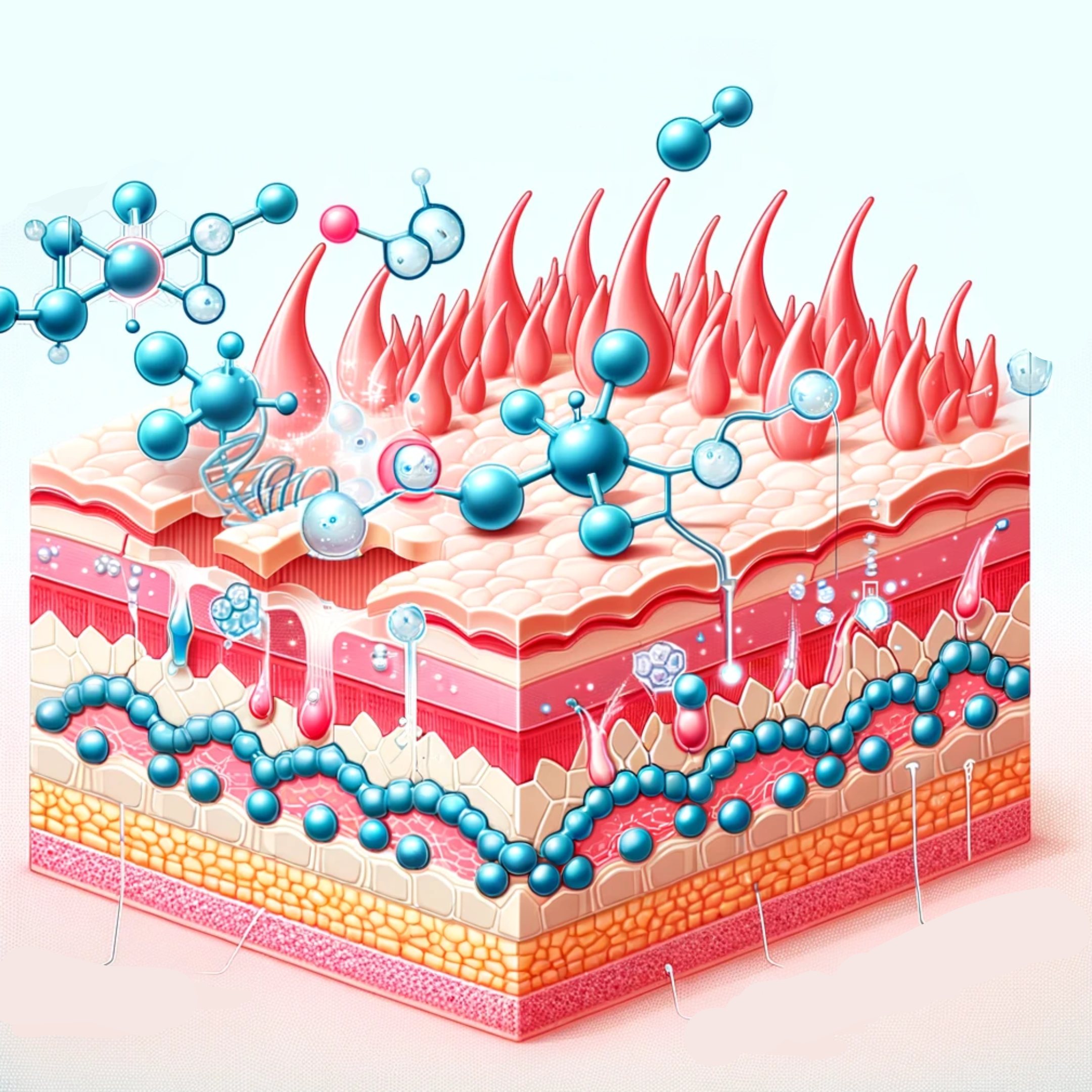
Peptides are a class of molecular compounds made up of amino acids, the building blocks of protein. In skincare products, peptides are made of short chains of amino acids that penetrate the skin and send signals to cells to perform specific functions. There are hundreds of peptides used in skincare, each with unique ways of interacting with skin cells and addressing various skin concerns.
The most common peptides used in skincare are reported to contain anti-aging, hydrating, and reparative properties for the skin. Some types of peptides are also touted to have abilities like stimulating collagen production, managing inflammation, delivering key vitamins and minerals to the skin, protecting the skin’s moisture barrier, and more.
What Are the Reported Benefits of Peptides?
There are a number of purported benefits for peptides in dermatology. This is very much an evolving field, and not all of these are tested to the same degree, and some claims may be premature to nascent at best, so it’s important to review the data with your own eyes. The touted benefits of peptides are listed below, and many of these are likely responsible the increase search popularity from the last 5 years to the recent 3 months. From smoothing fine lines and wrinkles to firming sagging skin to hydrating dryness, peptides supposedly offer an extensive range of benefits:
Anti-Aging Effects
Many peptides have been reported to minimize and visibly reduce signs of aging on the skin for a more youthful appearance. They have been reported to stimulate collagen production to firm and lift skin, while inhibiting enzymes that degrade collagen. With prolonged contact with your skin, peptides send signals to help restore elasticity, even skin tone, and promote cellular renewal and regeneration.
Support Skin Barrier Function
The peptides in skin care products are marketed to reinforce critical skin barrier proteins, enabling better hydration as well as protection from pollution and other environmental stressors that accelerate aging. They also deliver essential minerals like zinc and copper.
Improve Skin Texture
Peptides are also reported for their ability to resurface, refine, brighten, and even minimize pores for remarkably smoother, softer, and clearer skin texture. Peptides may also stimulate production of hyaluronic acid for next-level hydration. The overall results are supple, balanced skin.
Relieve Inflammation
Inflammation is at the root of most skin conditions, from sensitivity to acne. Types of peptides called neuropeptides and neurotransmitter peptides can theoretically help regulate inflammatory pathways in skin cells, providing soothing, calming relief.
Accelerate Skin Repair
Damaging environmental stressors like pollution and UV radiation degrade collagen and skin structure over time. Peptides in theory may aid skin’s natural repair functions to heal damage quickly for renewed tightness, firmness, and bounce. They may also stimulate new blood vessel development to nourish skin.
What Does the Evidence Say About Peptides?
Overall, peptides exhibit promise and potential based on a growing body of research. However, some specific peptides demonstrate more robust evidence thus far compared to others. When applied to the skin in serums, moisturizers, and other products, peptides in theory confer the ability to penetrate the outer layer of the skin and reach dermal layers where collagen production happens. They bind to receptors on skin cells and stimulate a variety of cellular processes and cascades, helping to restore and enhance your skin’s look, feel, and health.
Multiple clinical studies reveal copper peptides impart substantial improvements in fine lines/wrinkles, skin thickness, elasticity, firmness and even photodamage. (source)
Peptides send bioactive signals to cells to perform functions like:
Additionally, acetyl hexapeptide-8 and peptides containing palmitoyl pentapeptide show measurable anti-aging effects on wrinkles, skin roughness and integrity of supporting structures in quality clinical research. (source)
Meanwhile, other peptides like neurotransmitter peptides have considerable theoretical mechanism of action to calm inflammation but currently lack rigorous clinical studies evaluating their efficacy. Ongoing research aims to further validate their effects. (source)
So in summary, the level of evidence supporting peptides varies depending on the specific compound but represents a growing and evolving area of interest in skincare.
Top Peptide Products Based on Ratings
These are some of the products which are BDA-approved, as they were extremely well-liked over the course of anonymous and blind product testing by our team of dermatologists.

Excellent for Mature and Combination Skin

Excellent for Normal and Acne-Prone Skin

Excellent for Dry or Sensitive Skin
Are peptides safe to use for different skin types and skin tones?
Based on what we know, peptides are generally considered safe to use in skincare products. They have the ability to penetrate the skin and stimulate the production of collagen peptides without causing harm.
Tolerance depends strongly on the other ingredients included along with the primary ingredients as well as the vehicle of delivery. For this reason, patients with sensitive, dry, or eczema-prone skin might want to consider a peptide that is more moisturizing, whereas those with acne prone skin may consider a lighter peptide in the form of a gel or a serum that contains fewer comedogenic ingredients. Below is a general guide for how to select a peptide formulation based on skin type:
Normal Skin:
Product Choice: Lightweight peptide serum.
Why: Normal skin can maintain balance with a serum that doesn't overly hydrate or dry out the skin.
Key Ingredients: Look for serums with hydrating ingredients like hyaluronic acid combined with peptides.
Avoid: Heavy, occlusive agents that might disrupt the skin’s natural balance.
Oily and Acne-Prone Skin:
Product Choice: Gel-based peptide formulation.
Why: Gel-based products are lightweight and less likely to clog pores, which is crucial for acne-prone skin.
Key Ingredients: Peptides combined with niacinamide can help regulate oil production. Salicylic acid can be beneficial for its exfoliating properties.
Avoid: Heavy oils and comedogenic ingredients that can exacerbate acne.
Dry or Sensitive Skin:
Product Choice: Rich peptide cream.
Why: Cream-based products provide the necessary moisture and barrier protection for dry skin.
Key Ingredients: Look for peptides in combination with ceramides, glycerin, and hyaluronic acid for extra hydration.
Avoid: Harsh exfoliants or high concentrations of alcohol which can further dry or irritate the skin.
Combination Skin:
Product Choice: Balancing peptide serum or light cream.
Why: A balancing product helps address both oily and dry areas without causing issues.
Key Ingredients: Hyaluronic acid for hydration and peptides for overall skin health.
Avoid: Heavy oils in areas prone to oiliness.
Mature Skin:
Product Choice: Peptide-rich, anti-aging cream.
Why: Mature skin benefits from more intensive hydration and targeted anti-aging ingredients.
Key Ingredients: Peptides combined with antioxidants like Vitamin C, retinol for rejuvenation, and hydrating elements like squalane.
Avoid: Irritating ingredients like high-strength retinol or alpha hydroxy acids (AHAs) if the skin is sensitive.
General Considerations:
Patch Test: Always patch-test new products to check for sensitivities.
Sun Protection: Use sunscreen during the day, as some ingredients can make skin more sensitive to the sun.
Layering: Apply thinner products like serums before thicker creams or oils.
Consistency: Regular use is key to seeing the benefits of peptides.
What Are the Different Types of Peptides?
There are numerous peptides used in skincare, and more are in development all the time as research in this space evolves. It’s important to note that while there are numerous peptide compounds in dermatology, not all of them have been rigorously tested to the same degree or have shown similar benefit for a certain skin concern. Some of the most common topical peptides include:
Signal Peptides - Transport key minerals like copper and nutrients into skin cells to support their health and function.
Neurotransmitter Peptides - Interact with nerves and cell receptors to balance skin inflammation.
Carrier Peptides - Chaperone minerals like copper and magnesium into skin cells.
Enzyme Inhibitor Peptides - Prevent enzymes like collagenase from degrading collagen.
Collagen Stimulating Peptides - Trigger skin cells called fibroblasts to ramp up collagen production.
Protein Fragments - Formed from broken peptide bonds; some support moisture retention.
How to Add Peptides Into Your Skincare Routine?
If you are interested in integrating this class of products into your skincare routine:
Choose the right peptide product - See our guide above for the type of peptide that might be best depending on your skin type and skin concerns.
Apply your peptide serum after cleansing - Use peptides on clean, dry skin so they can properly penetrate and work their magic.
Follow with moisturizer and SPF - Always finish with moisturizer to seal in the peptides’ benefits. An SPF is vital for protecting peptides against UV deterioration.
Start by using peptides 2-3 times per week - Work up to daily use to ensure your skin tolerates peptides well. Monitor for irritation.
Be consistent – Like most skincare ingredients, regular use of peptides produces the best results over time as they stimulate repair, collagen production, and healthy skin cell function. Enjoy your renewed, rejuvenated skin!
Potential Drawbacks and Limitations of Peptides
Some people may experience mild irritation, itching, redness or burning when starting to use topical peptides, though these side effects usually subside quickly. As with any active ingredient, discontinue use if irritation is ongoing.
Additionally, the size and composition of peptides impacts their stability and delivery into skin. Larger neuropeptides may remain on skin’s surface. Using a product formulated to help peptides penetrate optimally aids in enabling sufficient delivery to achieve desired benefits.
Finally, while peptides may provide rejuvenation, some aging processes like skin laxity involve more intricate structural changes to underlying fat, muscle and bones that topical peptides alone cannot sufficiently address. Procedures like lasers and radiofrequency ultrasound (e.g. Ultherapy) may better target certain aging concerns.
-
How do I know if my skin can tolerate peptides?
Start by patch testing any new peptide product on your inner forearm for a few days. If no redness or irritation develops, it should be fine to incorporate the peptide into your skincare routine. Discontinue use if your skin reacts negatively.
Can I use Vitamin C and peptides together?
Vitamin C and peptides can complement each other to protect from environmental assault, inhibit collagen breakdown and stimulate new collagen production for firmer, smoother, brighter skin. Alternate them AM/PM or allow peptides to fully absorb before applying vitamin C.
How long does it take for peptides to work?
Consistent use for at least 4-6 weeks allows peptides to sufficiently penetrate skin’s deeper layers to activate repair and rejuvenation processes. Further improvements emerge over 3-6 months as collagen production continually ramps up to plump skin and minimize wrinkles.
Do peptides help with acne?
Possibly but difficult to say at this time. Certain peptides may influence biological pathways to decrease inflammation and sebum production, helping to clear and prevent acne vulgaris. Copper peptides also exhibit antibacterial effects to combat acne. No direct link has been reported though.
Can peptides really make skin tighter and firmer?
Theoretically, by stimulating collagen, elastin and other structural proteins in skin matrix, peptides distinctly improve dermal density, elasticity and bounce for visibly firmer, tighter and lifted skin texture and contour. However, for a more substantial result, consider in-office procedures with a dermatologist.
What’s better - peptides or retinol?
While both may be helpful, the evidence is much stronger for retinols which have also been on the market for a much longer period of time and have definitive studies demonstrating improvement to wrinkles.
Can peptides really penetrate my skin?
This is a great question. Based on the science, most peptides are small enough in molecular size to effectively penetrate skin’s outer barrier. However, depending on the formulation, they may or may not then be able to deliver their anti-aging signals deep into viable epidermal and dermal skin layers boosting collagen and elastin where they attach within skin matrix.
How do peptides work in skincare products?
Peptides in your skincare routine can effectively improve skin elasticity, help your skin retain moisture, and make the skin appear more radiant. They can stimulate collagen production and enhance the appearance of both skin and hair.
Are peptides a recommended skin care ingredient for aging skin?
Yes, peptides are generally considered to be beneficial for aging skin. Including peptides in your skincare routine can help diminish fine lines and enhance the firmness and elasticity of the skin.
How can one effectively use a peptide serum for skin benefits?
To use a peptide serum effectively, apply a small amount to cleansed skin, gently massage it in, and then follow with your regular topical skin care products. This helps peptides work well in promoting the health and appearance of your skin.
How do peptides benefit the skin from environmental damage?
Peptides have the ability to stimulate your skin to make up for damaged proteins caused by environmental factors. This can help improve skin feel, reduce the impact of skin aging, and address uneven skin tone or other skin issues caused by environmental damage.
What makes peptides effective for addressing skin problems?
Peptides for your skin are effective in addressing skin problems because early data shows they can stimulate the production of collagen peptides and peptides also make up elastin, which are essential for healthy skin feel. This helps uneven skin tone, skin aging, and other skin issues.
Who Can Benefit From Using Peptides?
Just about anyone can benefit from adding peptide serums or creams to their skincare routine. Peptides are extremely well tolerated and considered safe for all skin types. From oily and acne-prone skin to sensitive skin to maturing skin, peptides confer a host of perks to maintain healthy, youthful skin as we age. Those with dryness, fine lines, enlarged pores, dull tone, roughness, and loss of firmness typically notice significant improvements in their skin.
-
We are a group of dermatology residents and attending physicians based in Boston, MA. Our team of Ivy League-trained dermatologists is demystifying the cosmeceutical industry by offering unbiased, scientifically supported reviews of skincare products. We are extremely passionate about skincare and making it accessible to all through education. We value integrity, practicality, and inclusivity. No sponsorships were received for the products prior to testing; we feel strongly about providing un-biased reviews. After blogs are published, following the links in this blog post may result in commission.
Dr. David Li is a recent graduate from the Harvard Combined Dermatology Residency Program. He is now in private practice as a procedural dermatologist in Downtown Boston where he offers skin cancer screenings, skin cancer surgeries, and laser and cosmetic rejuvenation. He has published more than 25 peer-reviewed research articles, is active as an advisor for multiple early-stage companies, and is an angel investor in the healthcare technology space. In his free time, he enjoys running to stay fit, cooking, and playing with his Australian shepherd, Laika.
Dr. Jacqueline Stevens is currently a resident in the Harvard Combined Dermatology Program. She completed her undergraduate studies and MD-PhD at the University of Virginia with a PhD in microbiology, immunology, and infectious disease. Jacqueline has interest in cutaneous oncology, melanoma, and dermatologic surgery. She has published work on the basic science of inflammation at skin barriers, dermatologic diseases, and systems used to classify squamous cell skin cancer. In her free time, she enjoys skiing, hanging with her rescue pup, and the outdoors.
Dr. Nelson Ugwu is a dermatology resident at the Harvard Combined Dermatology Residency Program. His clinical interests include general dermatology, skin of color and skin cancer prevention. Nelson has discovered mutations that cause skin diseases, as well as new treatments for skin conditions. In his free time, Nelson enjoys weightlifting, playing soccer and trying new recipes.
Dr. Arash Mostaghimi is an associate professor of dermatology at Harvard Medical School, the director of the inpatient dermatology consult service, and co-director of the Complex Medical Dermatology Fellowship at Brigham & Women’s Hospital. He is also the principal investigator of the Mostaghimi Lab, where he leads a diverse group of physicians and researchers to study alopecia areata, an autoimmune hair loss condition which afflicts his daughter. In addition to his research, he is an advisor to multiple companies and is an associate editor of JAMA Dermatology.