The Dermatologist's Guide to Treating Body Acne for the Modern Man
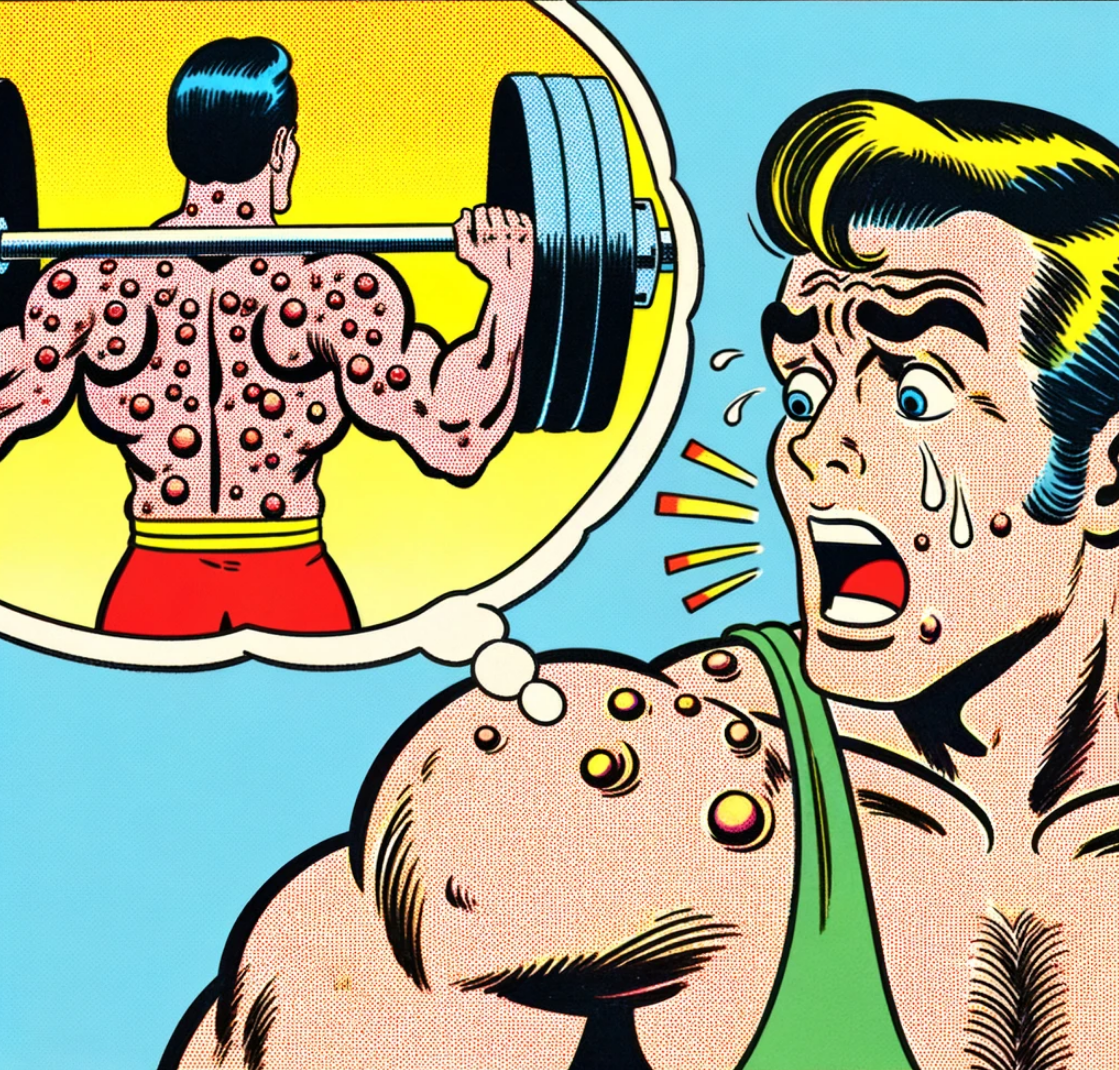
Table of Contents
Introduction of Bacne for the Modern Man
What Causes Body Acne (Bacne) in Men?
Bacne Treatment Guidelines Based on Severity
Expert Tips for Preventing Male Body Acne and Folliculitis
Best Over-the-Counter Treatments for the Modern Man
Caring for Body Acne Scars from Male Bacne
Introduction of Bacne and Folliculitis for the Modern Man
Body acne, also known as bacne, can be an embarrassing and frustrating struggle for the modern man.
Unlike his predecessors, the modern man takes good care of his skin, and that means ensuring that onlookers in the gym can visualize the toned muscles hiding behind inflamed bacne lesions.
Those red bumps on the back and chest and buttocks not only jeopardize your self-confidence but also prove difficult to treat and prevent.
This is a common problem that presents to our clinic, and our team of board-certified dermatologists have extensive experience treating all types of body acne, a common concern for men who are interested in having clear skin but also a skincare routine that prevents acne and folliculitis.
Read on for a complete guide to understanding the causes of body acne in males, from bacteria and clogged pores to friction and sweat. We will also cover proven medical and at-home treatments tailored to mild, moderate and severe bacne.
What Causes Body Acne (Bacne) in Men?
Body acne may seem mysteriously different than the acne vulgaris on your face, but the primary drivers are the same. You may also see us use the term bacne and folliculitis interchangeably. They exist on a spectrum and can be caused by a number of similar factors, which is why we refer to them both when speaking about body acne. Here is an overview of the most common causes of body breakouts in male patients:
Excess Oil and Bacteria
Just as with facial acne, overactive sebaceous glands in the skin overproduce sebum. This thick, oily substance not only clogs pores and cause acne, but also provides the perfect breeding ground for p. acnes bacteria. As this bacteria multiplies within a clogged follicle, inflammation activates leading to a visible acne lesion.
Sweat and Friction
Exercise: Activities like working out, playing sports or wearing tight, friction-causing clothes can all worsen body acne. The bacteria from sweat coupled with irritation leads to inflamed breakouts. This type of bacne is scientifically named acne mechanica, or acne that arises due to mechanical forces such as occlusion. This is why bacne is especially common in weightlifters and those who frequent the gym or athletes subject to occlusion and chaffing.
Sports: In addition to gymrats, we also see similar acne in those who play sports such as football and hockey, due to the occlusive nature of the gear. The irritation from heat and friction can result in red bumps around the buttocks, which many men consider unattractive.
Grooming: Occlusion from back hair and shaving. During shaving sessions, the bacteria residing at the follicular junction may be transferred underneath the skin, leading to irritation and inflammation as your body works to clear the bacteria.
Occupations: Hot kitchens, machinery operation leading to sweat which can be trapped under layers of clothing. We also see this in those who don't change their clothes often.
Sleep hygiene: If you don't change your pillow cases and bed sheets often, this can be a common cause of occlusive acne on the face and the back.
Hormones
Hormonal fluctuations during puberty start a cascade of acne and bacne that can often last up to the 30s. Dihydrotestosterone (DHT) also ramps up oiliness leading to flare ups of bacne in adults. This complex interplay of hormones and skin oil explains why bacne is more common in men than in women.
Bacne Treatment Guidelines Based on Severity
While women certainly develop bacne, breakouts on the back, chest and shoulders prove especially common in men. Why? The predominant male sex hormone testosterone plays a major role along with other gender differences. Successfully treating bothersome body acne for the modern man requires a comprehensively tailored, yet delicate approach customized to your unique case. Here is a breakdown of our general recommendations regarding the treatment of acne and folliculitis.
Mild Bacne (Occasional Breakouts)
Mild or intermittent body acne may respond beautifully to simple at-home care like:
Benzoyl peroxide body wash: Used 2-3 times weekly, leave on back/chest for 3-5 minutes before rinsing to kill acne bacteria
Salicylic acid body spray: Mist over bacne-prone areas to unclog pores and calm inflammation
Gentle skin care: Avoid irritating scrubs, heavily fragranced products or repeated skin picking
Moderate Bacne (Persistent Breakouts)
Ongoing body breakouts may need prescription-strength care on top of OTC products for the best relief:
Topical antibiotics: Apply antibiotic gels, solutions or creams with clindamycin or erythromycin twice daily to treat infection
Retinoids: Tretinoin or adapalene applied nightly normalizer oil production and prevent new bacne lesions
Light therapy: In-office photodynamic or blue light therapy kills p. acnes bacteria to rapidly dry out bacne
Oral antibiotics (short term): Antibiotics like doxycycline or minocycline taken by mouth for 6-8 weeks reduce inflammation
Severe Bacne (Painful Cystic Lesions and Acne Nodules)
The most severe, scarring bacne full of painful cysts and nodules benefits from aggressive intervention, which is very important to prevent permanent scarring which we sadly see all the time in our practice:
Oral isotretinoin: Extreme, treatment-resistant bacne may warrant 4-6 months of regulated isotretinoin to prevent permanent scars
Corticosteroid injections: Direct steroid shots rapidly flatten painful cysts and nodules
The modern man is reasonable. He understands that treating the scars comes after tackling the acne. As such, we recommend holding off cosmetic scar treatments until acne fully subsides for 3 to 6 months.
Expert Tips for Preventing Male Body Acne and Folliculitis
While bacne treatments clear current breakouts, preventing further ones remains critical. My top tips for keeping body acne at bay include:
Wear loose, breathable fabrics like cotton during workouts and in hot weather. Avoid occlusion and friction from snug shirts, pants and accessories.
Shower immediately post-workout to rinse away sweat, bacteria and grime from the skin before it clogs pores.
Use acne body washes with salicylic acid or benzoyl peroxide across the back and chest when washing to help prevent new breakouts.
Avoid oily hair products that can transfer to the skin and clog pores along the neck, shoulders and upper back.
See a dermatologist to consider whether you are a candidate oral isotretinoin, especially if you have recurring severe cystic bacne unresponsive to other methods. Isotretinoin provides long-term remission for 85% of those completing a full treatment course.
Best Over-the-Counter Treatments for the Modern Man
Alongside prescription medications from your dermatologist, several accessible over-the-counter options make excellent additions to a bacne treatment regimen by tackling oiliness, bacteria and clogged pores simultaneously:
Benzoyl peroxide washes applied across bacne-prone areas reduce P. acnes bacteria while absorbing excess oil and loosening dead skin cell buildup inside clogged follicles. Look for washes with at least 2.5% benzoyl peroxide for the face and 5% or more for the body.
Salicylic acid sprays offer an easy way to deliver blemish-fighting BHA over wide swaths of skin. The liquid mist application targets hard to reach spots while salicylic acid’s oil solubility dissolves pore contents as a keratolytic. Both sal acid and BP can be helpful in the treatment of mild to moderate acne.
Sulfur soap bars combine antibacterial sulfur with skin-calming agents like tea tree oil for a dual anti-inflammatory approach to body acne. Used as a body wash in the shower, sulfur bars combat new breakouts plus soothe existing ones.
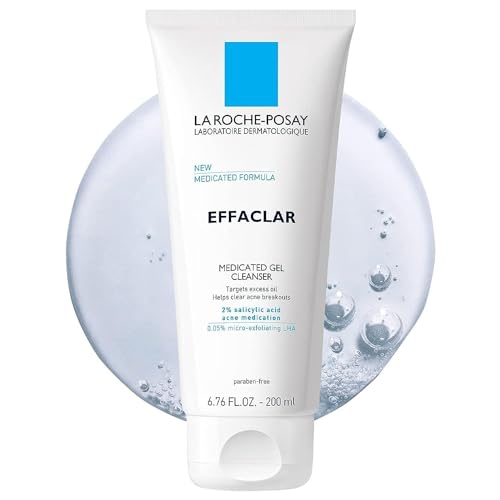
See our blind-tested recommendations for acne below (can use same treatments for bacne and folliculitis) - full article here


Caring for Body Acne Scars from Male Bacne
While stubborn bacne bumps prove frustrating enough, they often leave textured scars and dark spots behind. Depending on scar severity, tailored treatments reduce and smooth marks for confidence when shirtless. From at-home options to medical procedures, we would suggest:
Adopting a minimalist skincare routine first and foremost: We have detailed a guide to healthy skin for the modern man which can be found here.
Over-the-counter scar gels/creams: Silicone, vitamin C-based scar products soften and smooth scars while protecting skin from further damage when used for 6+ months.
Sunscreen is a must to prevent dyspigmentation and scarring. Choose a tinted sunscreen if your skin tone is fair-medium or darker - we have blind tested recommendations that can be found here.
Microneedling for mild scarring: In-office devices with tiny needle tips physically puncture scars to stimulate collagen and elastin repair for improved texture and color. Multiple sessions spaced 4 weeks apart provide cumulative improvements.
Laser skin resurfacing for moderate to severe scarring: For more substantial depressed scars, ablative or non-ablative fractionated lasers like CO2 systems physically remodel scar tissue for dramatically reduced appearance of pits, valleys and roughness.
Why See a Dermatologist for Body Acne Treatment?
There are many times when treating bacne at home is simply not sufficient, which be be related to the acne type, choice of acne medications, or scars. The following cases are examples that should be evaluated by a board-certified dermatologist.
Moderate and severe acne leading to inflammatory and painful, cystic body acne leaving scars
Years of body breakouts with poor treatment response to over-the-counter methods and many acne medications
Red, inflamed bacne significantly impacting quality of life
In Review: Key Takeaways for Body Acne in Men
Body acne (bacne) and folliculitis often results from excess sebum, pore-clogging sweat and irritation. Men are more prone than women.
Both OTC and prescription treatments prove effective in treating acne (mild to moderate forms of body acne)
Preventing further bacne requires diseasing-fighting and pore-clearing body washes
For severe, stubborn body breakouts, see a board-certified dermatologist for customized medical care like oral acne treatments such as doxycycline and isotretinoin
-
What is the best treatment for acne on the back and chest?
Use a body wash with benzoyl peroxide or salicylic acid helps treat acne and prevent new breakouts across the back and chest.
Do certain clothes worsen acne on the body?
Yes, tight clothes that cause friction and don’t allow skin to breathe can worsen body acne. The American Academy of Dermatology suggests wearing loose cotton clothes.
What is the most severe type of body acne?
Nodulocystic acne with painful, deep cysts and nodules marks the most severe form of body acne. Severe bacne often leaves scarring if not treated promptly with medications like isotretinoin.
What OTC products can I use for topical treatment of bacne?
Over-the-counter options like acne body washes with salicylic acid or benzoyl peroxide make excellent topical treatments by reducing oiliness and bacteria.
What is the most common type of acne on the body?
Typically inflammatory acne with red, swollen papules and pustules occurs more often than non-inflammatory whiteheads and blackheads.
Does body acne in men ever require oral medications?
Yes, moderate inflammatory acne on the chest/back often needs short term oral antibiotics to reduce widespread inflammation and pus-filled lesions.
How can I prevent acne on my back and chest?
Washing after sweating, avoiding occlusion and friction from clothes and using medicated acne body washes all help prevent acne from developing.
Is body acne different than acne on the face?
Truncal acne shares the same origins as facial acne but proves harder to treat due to the inability to apply topicals easily. Severe body acne also takes longer to respond to treatment.
Can dandruff or hair products contribute to acne on the upper back?
Yes, ingredients in leave-in conditioners and oils can clog pores and worsen acne along the shoulders and neckline for some.
How can I reduce scarring from bacne?
Using silicone scar sheets daily alongside procedures like laser treatments or microneedling may help reduce acne scarring.
What are the different types of acne?
There are various types of acne including comedonal acne, inflammatory acne, cystic acne, and nodulocystic acne. These types vary in severity and require different treatment approaches.
What are the treatment options for acne?
There are several treatment options available for acne, including topical medications, oral medications, and lifestyle changes. These treatments are designed to reduce inflammation, unclog pores, and prevent new acne breakouts.
What are the management strategies for acne for male patients?
Effective management of acne involves a combination of appropriate skincare, suitable medications, and addressing any underlying causes. It's essential to consult a dermatologist to develop a personalized management plan.
Are there effective over-the-counter acne products?
There are various over-the-counter acne products such as cleansers, spot treatments, and exfoliants. These products can be effective for mild to moderate acne but may not be sufficient for severe cases.
What are the causes of adult acne?
Adult acne can be caused by hormonal fluctuations, stress, certain medications, and genetics. Identifying the underlying cause is crucial in determining the most effective treatment approach.
What causes acne in male patients?
Acne is primarily caused by excess oil production, clogged pores, inflammation, and bacteria. Hormonal changes, genetics, and certain medications can also contribute to the development of acne.
What are the common medications for treating acne in men?
Common medications for acne treatment include topical acne gels, creams, and lotions containing ingredients like benzoyl peroxide, salicylic acid, retinoids, and antibiotics. Oral medications may also be prescribed for moderate to severe acne.
How does acne worsen in men?
Acne can worsen due to factors such as hormonal fluctuations, stress, certain medications, dietary choices, and inadequate skincare habits. Certain lifestyle factors and environmental elements can also exacerbate acne.
How can I manage mild acne?
For mild acne, a consistent skincare routine involving gentle cleansing, non-comedogenic products, and over-the-counter acne treatments can often help manage the condition. It is essential to avoid picking or squeezing acne lesions.
What is the management approach for moderate to severe nodulocystic acne without response to treatment using OTC products?
Severe nodulocystic acne may require aggressive treatment, including prescription medications such as accutane/isotretinoin
-
We are a group of dermatology residents and attending physicians based in Boston, MA. Our team of Ivy League-trained dermatologists is demystifying the cosmeceutical industry by offering unbiased, scientifically supported reviews of skincare products. We are extremely passionate about skincare and making it accessible to all through education. We value integrity, practicality, and inclusivity. No sponsorships were received for the products prior to testing; we feel strongly about providing un-biased reviews. After blogs are published, following the links in this blog post may result in commission.
Dr. David Li is a recent graduate from the Harvard Combined Dermatology Residency Program. He is now in private practice as a procedural dermatologist in Downtown Boston where he offers skin cancer screenings, skin cancer surgeries, and laser and cosmetic rejuvenation. He has published more than 25 peer-reviewed research articles, is active as an advisor for multiple early-stage companies, and is an angel investor in the healthcare technology space. In his free time, he enjoys running to stay fit, cooking, and playing with his Australian shepherd, Laika.
Dr. Nelson Ugwu is a dermatology resident at the Harvard Combined Dermatology Residency Program. His clinical interests include general dermatology, skin of color and skin cancer prevention. Nelson has discovered mutations that cause skin diseases, as well as new treatments for skin conditions. In his free time, Nelson enjoys weightlifting, playing soccer and trying new recipes.
Dr. Arash Mostaghimi is an associate professor of dermatology at Harvard Medical School, the director of the inpatient dermatology consult service, and co-director of the Complex Medical Dermatology Fellowship at Brigham & Women’s Hospital. He is also the principal investigator of the Mostaghimi Lab, where he leads a diverse group of physicians and researchers to study alopecia areata, an autoimmune hair loss condition which afflicts his daughter. In addition to his research, he is an advisor to multiple companies and is an associate editor of JAMA Dermatology.