
Acne is frustrating enough when you’re dealing with active breakouts. But the scars left behind can be even more distressing. indented or discolored acne scars can make you feel self-conscious about your skin long after pimples have healed.
Post-acne scarring is an extremely common problem, with 95% of acne patients reporting some degree of scarring. Source
The good news is that certain proven over-the-counter products can significantly improve the look of acne scarring when used properly over time. Professional procedures also provide dramatic results, but are expensive.
This article will cover the reasons scarring occurs, types of acne scars, home treatments supported by science, why unproven natural remedies are ineffective, procedures best left to the pros, and tips to prevent new scars.
Read on to learn realistic methods that truly represent evidence-based home remedies for acne scars. While they are often not standalone treatments, they can make scars appear less noticeable with time, allowing you to put your best face forward.
What Causes Acne Scars?
Breakouts that damage the skin can disrupt the normal production of collagen and tissue growth below the surface. When the damaged area heals, it may overcorrect with too much collagen forming a raised scar, or too little collagen resulting in an indented, depressed acne scar.
Factors that influence scarring include:
Genetics: Some people are prone to overproduction of collagen after skin inflammation. People with darker complexions may also develop more visible discoloration.
Severity of acne: Deep cysts or nodules can damage tissue more extensively than milder whiteheads or blackheads.
Skin picking (acne excoriae): Popping and picking at pimples pushes debris and bacteria deeper, causing more surrounding inflammation.
There are a wide range of acne scar types that form for different reasons:
A.) Atrophic Scars
Ice pick scars - Narrow, deep pits caused by infected hair follicles/oil glands losing collagen support beneath.
Rolling scars - Broader depressions with rounded edges, caused by bands of scar tissue under skin pulling down around sites of healed acne lesions.
Boxcars - Wide depressions with sharply defined edges, caused by loss of tissue support beneath healed inflamed lesions. Rolling and boxcar scars are present in approximately 35% of patients with moderate to severe acne.
B.) Hypertrophic Scars and Keloids
Hypertrophic scars - Thick, raised skin formed by excess collagen produced at site of healed acne lesion. These scars appear thicker than the original acne as it disrupts the skin around acne scars. However, they typically stay within boundaries of original tissue injury.
Keloids - Large, thick, raised overgrowths caused by too much collagen after severe acne lesions. Growth extends beyond original tissue damage site. Hypertrophic and keloid scars are present in approximately 5-7% of patients with moderate to severe acne, and seems to disproportionately affect individuals with darker skin tones. These types of scars require evaluation by a medical professional and many times, a plastic surgeon for scars on the face.
Evidence-Supported At-Home Scar Treatments
No magic wand exists to instantly erase acne scars, but proven over-the-counter products can safely reduce the appearance of discoloration and textural dents over several weeks.
Treatments for acne scars with over-the-counter ingredients that regenerate skin cells and promote new collagen include:
Retinoids (retinol, adapalene)
Alpha Hydroxy Acids (AHAs)
Beta Hydroxy Acids (BHAs)
Azelaic acid, Kojic acid
Chemical peels
Sunscreen
Always follow scar treatments with non-comedogenic moisturizers free of pore-clogging ingredients. Hydrating the skin enables faster healing with less irritation.
Retinoids
One of the best treatments for acne scars is often an ingredient used in acne treatment as well - retinoids. Retinoids boost collagen and thicken the deeper layers of skin where indented scars form. They also speed up the skin cell regeneration process to fade discoloration.
Benefits of retinoids:
Increase collagen production in dermis layer to plump indented scars
Renew skin cells faster to even out pigmentation of brown acne marks
Prevent dead skin buildup in pores to discourage new blackheads/breakouts
Can help in treating acne by preventing breakouts
Start by applying pea-sized amount of retinol or adapalene cream every other evening, then work up to nightly use. Watch for redness, peeling, or dryness which subsides as skin adjusts. Always follow with moisturizer.
AHAs and BHAs
Alpha hydroxy acids (AHAs) like glycolic & lactic acids exfoliate dead cells and debris on the skin’s surface to smooth roughness, stimulate new collagen for plumping scars, and lighten brown spots by quickening cell turnover.
Beta hydroxy acids (BHAs) like salicylic acid penetrate oil and skin gunk deep inside pores helping to prevent new blackheads and pimples from forming. They gently exfoliate the skin to prevent breakouts and future scarring.
Use AHA and BHA washes several times per week. Don’t overdo acid exfoliation, as it can cause irritation. Always follow up with moisturizer.
Azelaic Acid
Azelaic acid works as an anti-inflammatory and antimicrobial to reduce redness while keeping acne-causing bacteria in check. This is helpful for preventing new breakouts which lead to more scars. It's one of the most reliable forms of acne treatment.
Early research also demonstrates azelaic acid helps fade brown spots and improves the look of established atrophic (indented) scarring. This is not necessarily a form of acne scar removal, but it keeps acne under control and helps reduce the appearance of scarring, acne scars, and hyperpigmentation. Creams or serums with azelaic acid can be used once or twice daily with minimal side effects.
Kojic Acid
Kojic acid is derived from a yeast found in rice. It has recently become more popular as a treatment for discoloration that can temporarily diminish the appearance of acne dyspigmentation. Using this treatment over time can make scars less noticeable in discoloration, but it does not play a role to fill in acne scars which are indented. We previously discussed kojic acid here.
At-Home Chemical Peels
In-office chemical peels performed by a dermatologist involve stronger acids that remove layers of skin to reveal smoother texture and lightened acne marks underneath. These can include TCA peels, TCA Cross (for ice pick scars), and the commonly used Jessner peel.
At-home chemical peel pads with glycolic or lactic acid can provide milder exfoliating results between quarterly professional treatments. Start by using peel pads once a week in the evening, sandwiched between cleansing and moisturizer. Scale back if increased dryness or irritation occurs.
Daily SPF
Sun exposure can permanently darken the appearance of post-acne spots and existing scars through increased melanin production. Always apply broad spectrum SPF 30 sunscreen under makeup to protect vulnerable skin. Reapply every 2 hours with sun exposure.
For patients who have darker skin tones, it's important to also use a tinted sunscreen that contains iron oxide, as this can help prevent hyperpigmentation that results from the visible light spectrum. We have some recommendations in our blind-testing series found here.
Exploring Red Light Therapy for Acne Scars
Red and near-infrared light therapy is an emerging area of at-home treatment being studied for potential to improve acne scars. We previously discussed red light therapy devices here. These wavelengths of light may help by:
Increasing collagen production - More collagen plumps up indented scars
Reducing inflammation - Less swelling and redness allows faster healing
Handheld LED red light therapy devices (red light wand or red light face mask) have shown promising scar reduction results in early research. Participants use the wands daily, hovering over each area of scarring for a few minutes until it's covered. Consistency is key - it can take up to 3 months for collagen-rebuilding to reflect visibly.
Full face red light masks are also now available, although less clinical data exists currently since they're a newer category. The masks beam light onto the entire face for hands-free convenience. Like the wands, masks should be used 5 to 10 minutes daily. Look for red wavelengths of 630 to 660nm.
While more research on LED red light is still needed, current evidence and dermatologist testimonials suggest it may be a beneficial addition to an acne scar skin care routine as a non-invasive treatment with no downtime.
Why "Natural Remedies" Don't Erase Acne Scars
You’ll come across DIY tutorials touting items like lemon juice, baking soda, apple cider vinegar, manuka honey, rosehip oil, lavender oil, and coconut oil as acne scar solutions. Before trying something messy from your pantry, understand why these home remedies DON'T work despite popular myth:
Reasons Why Household Items Fail for Acne Scars
Lack scientific proof - No clinical studies validate their effectiveness and safety for acne scarring. Dermatologists who have explored the data will not recommend them.
Can worsen scarring - High acidity levels in lemon juice, vinegar, etc. can burn skin leading to more inflammation and red marks. Their abrasiveness may also micro-damage healing tissue.
May cause adverse reactions - Baking soda, coconut oil, and other natural oils often trigger new breakouts or rashes due to pore-clogging ingredients. New pimples lead to additional scars.
Lack the right active ingredients - Things like honey, aloe, and essential oils do not contain the alpha and beta hydroxy acids, retinoids, or collagen-stimulating peptides proven to fade scarring. Their anti-inflammatory properties remain unproven on real acne scars.
Example Skincare Routine for Acne Scars
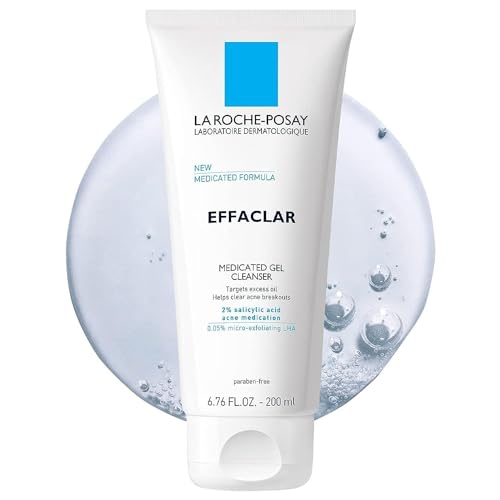
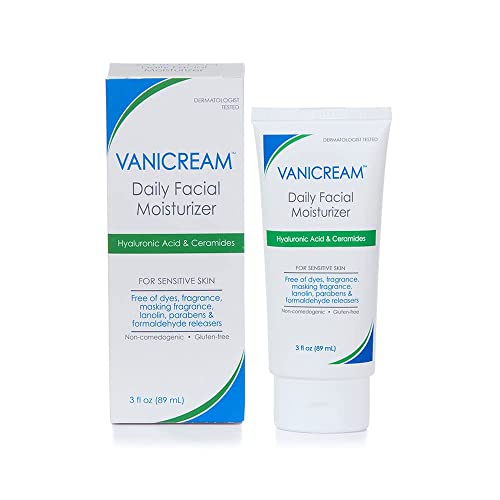
AM Routine (with results of blind-tested products)


PM Routine
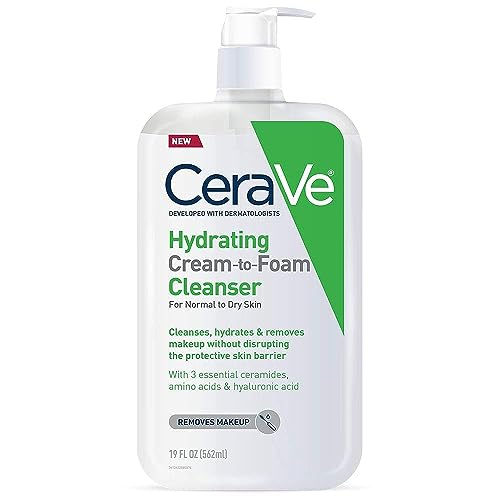
Hydrating cleanser at night (e.g. CeraVe)
Retinol at night
Moisturizer with niacinamide


Advanced Acne Scar Treatments Better Left to Professionals
Severely indented ice pick or deep boxcar scars won’t fully respond to over-the-counter methods alone. In those cases, professional procedures provide dramatic corrective results - but they aren't DIY.
Advanced treatments to consider instead of attempting procedures at home include:
Laser skin resurfacing - Powerful laser light removes outer skin layers and stimulates new collagen growth. Requires topical anesthesia, specialized training, and several days of downtime for proper healing.
Microneedling - Small needles puncture scar tissue to break up fibroblasts while stimulating healing factors and collagen with minimal downtime. We discussed microneedling here.
Steroid injections - For severely raised keloids or hypertrophic scars, steroid compounds can shrink overgrown scar tissue when injected by a doctor.
Fillers - Hyaluronic acid fillers injected under indented scars instantly plump them up for smoother surface texture that lasts around 1 year. Some can also help to regenerate or stimulate collagen.
Bring realistic expectations to professional treatments - rarely will acne scars disappear 100%, but their appearance can be softened by up to 60% or more. Professional procedures also work best alongside at-home skin care.
Tips for Preventing New Acne Scars
Even while working to improve existing acne scars, it’s imperative to prevent new ones from forming with these tips:
1. Keep Hands Off current breakouts
It’s tempting to pick, poke, or squeeze pimples, but this makes swelled pores rupture deeper in skin spreading bacteria, juices, and debris into surrounding tissue. The extra inflammation leads to greater chance of scarring. Keep hands away and let pimples heal untouched.
2. Wear sunscreen
Daily UVA/UVB sun exposure darkens post-acne marks. It also inhibits collagen rebuilding and healthy cell turnover needed for depressed scars to heal smoothly. Apply broad spectrum tinted SPF >30 sunscreen under makeup even on cloudy days.
3. Cleanse skin gently
Harsh scrubs, alcohol-filled astringents, and repeated scrubbing stresses skin and worsens inflammation. Use gentle, non-abrasive cleanser on active breakouts to keep additional irritation at bay during the healing process. This protects against infected lesions leaving deeper scars.
4. Know which acne ingredients lead to irritation
Powerful prescription options like tretinoin, benzoyl peroxide, certain antibiotics, or super-concentrated AHA peels can over-dry and irritate some skin types prone to scarring. Always buffer actives with a moisturizer and scale back if your face feels raw, as this impedes healing.
5. Stay diligent with treatment
Disciplined daily skin care makes a difference. Allow sufficient adjustment time when trying acne remedies - it can take 8 to 12 weeks before improvements emerge. Don’t give up too quickly or constantly switch routines to let products reach full potential.
Putting It All Together
In summary, acne scarring doesn’t have to be permanent. The over-the-counter products and professional treatments covered in this guide can all reduce the appearance of discoloration and skin texture changes left from breakouts. Some key takeaways include:
Many OTC options like retinoids, skin-renewing acids, azelaic acid creams, and daily SPF have proven scar-fading abilities. Use them consistently.
Unproven “natural remedies” usually fail or backfire due to inadequate science supporting use on real acne scars. Avoid them.
Advanced scar revision techniques require an experienced medical professional for the best outcomes and to reduce complication risks.
Preventing new acne minimizes additional scarring - be gentle, diligent, and patient with daily skin care for success.
With realistic expectations and commitment to proven regimens, acne scars don’t have to be something you live with forever without hope. You have options to significantly minimize their appearance - starting today with evidence-based over-the-counter products.
-
What are the different types of acne scars?
Acne scars come in various forms, including keloid scars, icepick scars, and atrophic acne. These scars can be raised or less noticeable depending on the type of scarring.
How can I get rid of acne scars naturally?
There are several natural remedies that can help in fading acne scars and making them less noticeable. You can use home remedies such as effective treatments discussed in this article, but please avoid 'natural remedies' that tout products such as oils, honey, or lemon juice. These don't help reduce the appearance of acne scars and can often worsen your appearance.
How can I prevent acne and the appearance of acne scars?
To prevent acne and reduce the likelihood of scars may developing, it is important to maintain a healthy skincare routine and follow a balanced diet. Additionally, timely treatment of acne can significantly lower the risk of scars appear.
What is the best treatment for acne scars?
The best treatment for acne scars depends on the severity and type of scarring. Different types of acne scars may require specific approaches, and it's essential to seek expert advice to determine the most effective treatment for your individual case.
Are there effective laser treatments for acne scars?
Yes - please consult a dermatologist for options.
What is red light therapy?
Red light therapy (RLT) is a non-invasive treatment that uses low-level wavelengths of red light to promote skin rejuvenation, reduce inflammation, and enhance overall cellular function.
How does blue light therapy work?
Blue light therapy involves exposing the skin to a specific wavelength of blue light to target acne-causing bacteria and reduce acne inflammation, making it an effective treatment for mild to moderate acne.
What are the benefits of using a red light LED face mask?
A red light LED face mask emits low-level red light wavelengths that penetrate the skin, stimulating the production of collagen, improving skin texture, and reducing the appearance of fine lines and wrinkles.
Is red light therapy safe for all skin types?
Yes, red light therapy is considered safe for just about all skin types and generally has no reported adverse effects when used as directed. Please consult with a dermatologist.
Can blue light therapy be used as a treatment for psoriasis?
Blue light therapy has shown promising results in reducing symptoms of psoriasis, such as scaling and inflammation, when used in conjunction with other treatments. However, it is important to consult with a dermatologist for personalized advice.
How often should I use a red light LED face mask for optimal results?
For optimal results, it is recommended to use a red light LED face mask for approximately 10-20 minutes per session, 3-5 times per week. Consistency is key to seeing improvements in skin tone and texture.
-
We are a group of dermatology residents and attending physicians based in Boston, MA. Our team of Ivy League-trained dermatologists is demystifying the cosmeceutical industry by offering unbiased, scientifically supported reviews of skincare products. We are extremely passionate about skincare and making it accessible to all through education. We value integrity, practicality, and inclusivity. No sponsorships were received for the products prior to testing; we feel strongly about providing un-biased reviews. After blogs are published, following the links in this blog post may result in commission.
Dr. David Li is a recent graduate from the Harvard Combined Dermatology Residency Program. He is now in private practice as a procedural dermatologist in Downtown Boston where he offers skin cancer screenings, skin cancer surgeries, and laser and cosmetic rejuvenation. He has published more than 25 peer-reviewed research articles, is active as an advisor for multiple early-stage companies, and is an angel investor in the healthcare technology space. In his free time, he enjoys running to stay fit, cooking, and playing with his Australian shepherd, Laika.
Dr. Nelson Ugwu is a dermatology resident at the Harvard Combined Dermatology Residency Program. His clinical interests include general dermatology, skin of color and skin cancer prevention. Nelson has discovered mutations that cause skin diseases, as well as new treatments for skin conditions. In his free time, Nelson enjoys weightlifting, playing soccer and trying new recipes.
Dr. Arash Mostaghimi is an associate professor of dermatology at Harvard Medical School, the director of the inpatient dermatology consult service, and co-director of the Complex Medical Dermatology Fellowship at Brigham & Women’s Hospital. He is also the principal investigator of the Mostaghimi Lab, where he leads a diverse group of physicians and researchers to study alopecia areata, an autoimmune hair loss condition which afflicts his daughter. In addition to his research, he is an advisor to multiple companies and is an associate editor of JAMA Dermatology.